
 Back
Back





HIGH COURT OF JUDICATURE AT ALLAHABAD
SIDDHARTH NANDAN, J.
Seema Padalia And Another - Petitioners
Versus
State of U.P. And Others - Respondents
WRIT - C No. - 10692 of 2026
Decided On : 21-04-2026
| Table of Content |
|---|
| 1. procedural history and reliance on previous positive judgment findings. (Para 1 , 2 , 3 , 4) |
| 2. application of section 49 and 50 of the indian stamp act. (Para 5 , 6 , 7 , 8 , 9) |
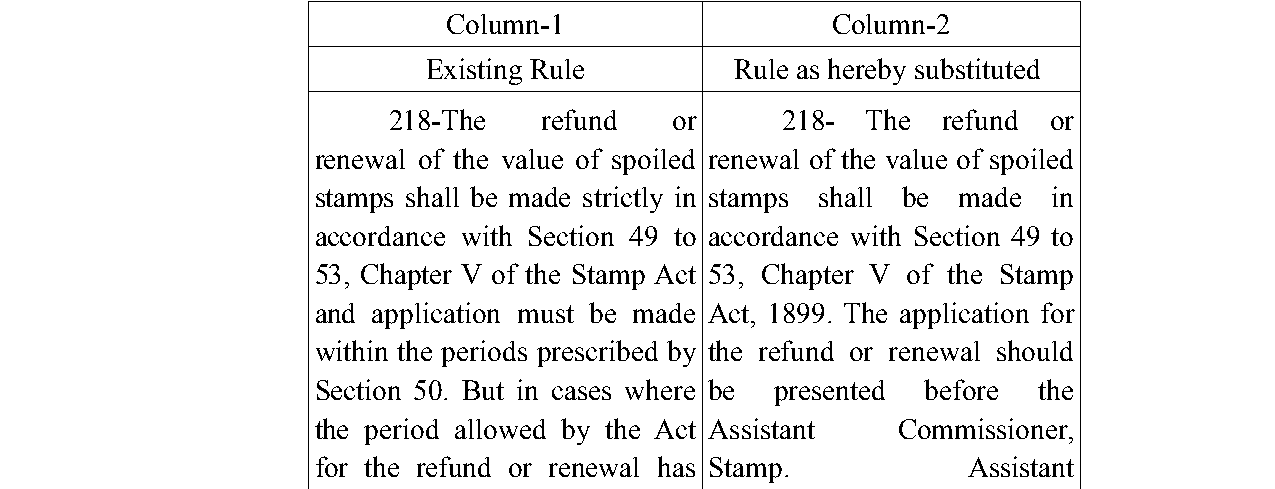
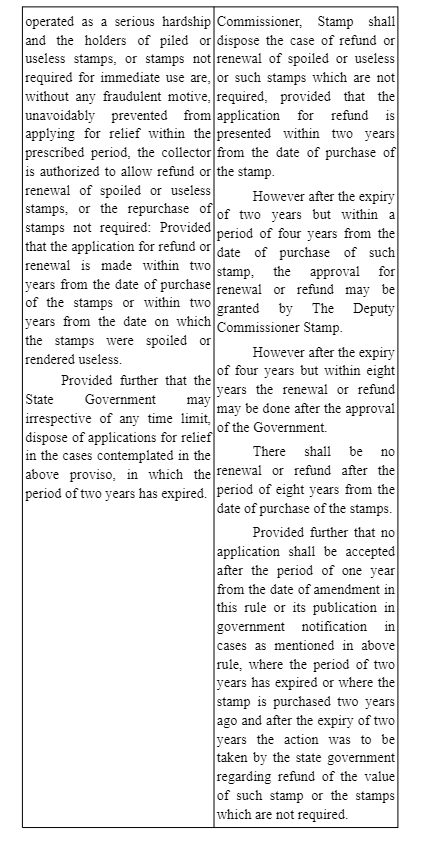
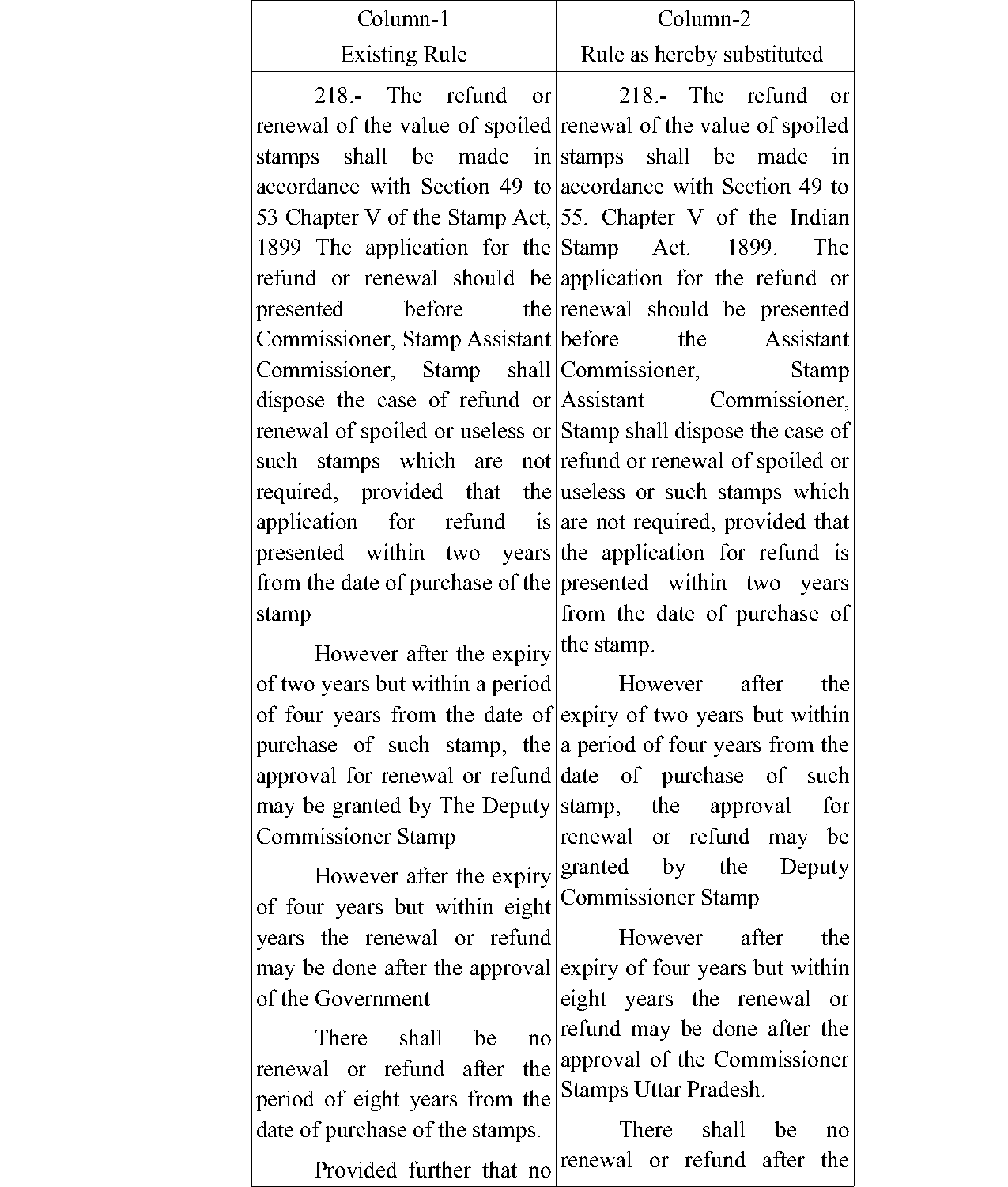
| 3. dispute on applicability of amended versus unamended rules. (Para 10 , 11 , 12 , 13 , 14 , 15 , 16 , 17) |
| 4. assessment of legitimate expectations regarding agreement execution. (Para 18 , 19 , 20) |
| 5. non-retrospective applicability of procedural amendments creating disabilities. (Para 21 , 22 , 23 , 24 , 25) |
| 6. final direction for stamp duty refund. (Para 26 , 27) |
JUDGMENT :
SIDDHARTH NANDAN, J.
1. Instructions dated 16.04.2026 has been filed by learned Additional Chief Standing Counsel. The same is taken on record.
2. Heard Shri Rahul Sahai, learned counsel for the petitioners, Shri Kaushalendra Nath Singh, learned counsel appearing on behalf of respondent no.6 and learned Standing Counsel for the State-respondents.
3. The petitioners have sought quashing of the order dated 25.09.2025, by way of which the claim for refund of the stamp has been rejected, being time barred while deciding the refund application of the petitioners, in pursuance of the order dated 06.03.2025 passed in Writ-C No.39180 of 2024. Learned counsel for the petitioner has placed reliance on para-9 of the said judgment dated 06.03.2025, to submit that this Court had given a positive finding in favour of the petitioners' claim, that the benefit of refund of the stamp duty would be applicable in the case of the petitioners. For ready reference para-9 is reproduced below:
"9. Upon perusal of the averments made, the documents annexed and after going through the ratio of Supreme Court in Harshit Harish Jain & Anr (supra), we are of the view that in the present case the impugned order rejecting the refund of the petitioners is passed on technical reasons only. From the facts, it is clear that the agreement between the parties has taken place prior to the amendment that has been carried in the stamp papers, and accordingly, following the ratio of the Supreme Court Judgment, it is crystal clear that the benefit of refund of the stamp duty would be applicable in the present case. "
4. Learned counsel for the petitioner has further placed reliance on the unamended Rule 218 to submit that the proviso provides that the State Government may irrespective of any time limit, disposed off the application for relief of refund of the stamp, even in cases in which period of 2 years has expired.
5. Per contra, learned Standing Counsel has submitted that Chapter-V of Indian Stamp Act, 1899 (herein after referred to as Act, 1899), provides for "allowance for stamp in certain cases".
6. Section 49 (d)(4) of the Act states as under:
“49. Allowance for spoiled stamps: Subject to such rules as may be made by [the [State Government]] as to the evidence to be required, or the enquiry to be made, the Collector may, on application made within the period prescribed in section 50, and if he is satisfied as to the facts, make allowance for impressed stamps spoiled in the cases herein after mentioned, namely:
(d) the stamp used for an instrument executed by any party thereto which—
(4) for want of the execution thereof by some material party, and his inability or refusal to sign the same, is in fact incomplete and insufficient for the purpose for which it was intended:""
7. Learned Standing Counsel has submitted that Collector may, on application made with the period prescribed in Section 50 , and if he satisfied to make such allowances, for impressed stamps spoiled, in the cases mentioned under sub-clause (d); and in the facts of the present case, the Section 49 (d) read with Section 50 (3). For ready reference Section 50 (3) is also reproduced below:
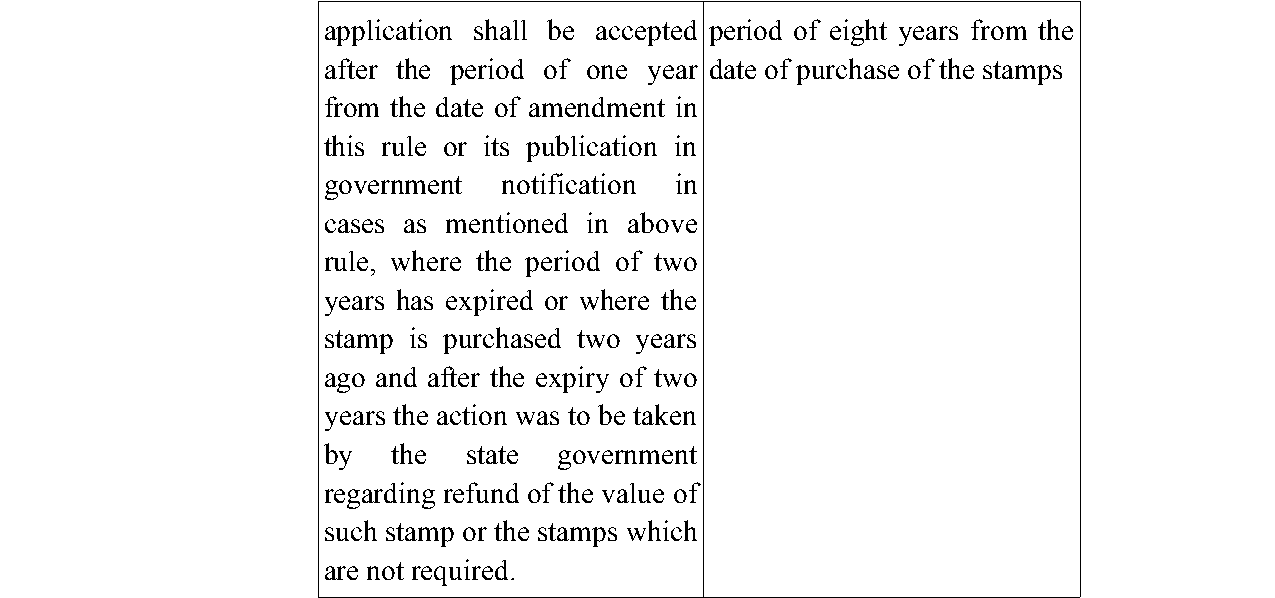
“50. Application for relief under Section 49 when to be made— The application for relief under Section 49 shall be made within the following periods, that is to say -
(3) in the case of a stamped paper in which an instrument has been executed by any of th

AI

The expiration of a limitation period may bar the remedy but not the right, ensuring that legitimate claims for refunds are not denied on technical grounds.

The court established the principle that compelling compliance with impossible conditions, and prejudicing a party due to judicial delay, would be unjust and unconscionable.

The right to claim a refund of stamp duty is governed by statutory provisions, and failure to comply with the prescribed limitation period without sufficient justification precludes the possibility o....

The court established that the right to claim a refund of stamp duty is not extinguished by the expiration of the statutory limitation period, emphasizing the need for a merits-based evaluation.
Limitation bars remedy but not right to refund of stamp duty paid under wrong head due to error.

Limitation under Stamp Act Section 48(3) bars refund remedy but not right to recover erroneously paid duty under wrong head; delay condonable on health grounds to prevent unjust state enrichment.



An indispensable Tool for Legal Professionals, Endorsed by Various High Court and Judicial Officers
Please visit our Training & Support
Center or Contact Us for assistance

Scan Me!
India’s Legal research and Law Firm App, Download now!


For Daily Legal Updates, Join us on :



 Back to top


