
 Back
Back





CUSTOMS EXCISE & SERVICE TAX APPELLATE TRIBUNAL
M. Ajit Kumar, Technical Member, Ajayan T.V., Judicial Member
Hitevision Tech India Pvt. Ltd. – Appellant
Versus
Commissioner of Customs – Respondent
Customs Appeal No. 40829 of 2024
| Table of Content |
|---|
| 1. classification of goods based on functionality. (Para 2 , 3) |
| 2. burden of proof on the revenue for incorrect classification. (Para 4 , 5) |
| 3. adherence to statutory interpretation and requirements for classification. (Para 10 , 12) |
Per M. Ajit Kumar,
This appeal is filed by the appellant against Order in Original No. 108559 of 2024 dated 12.08.2024 passed by the Commissioner of Customs, Chennai – II (impugned order).
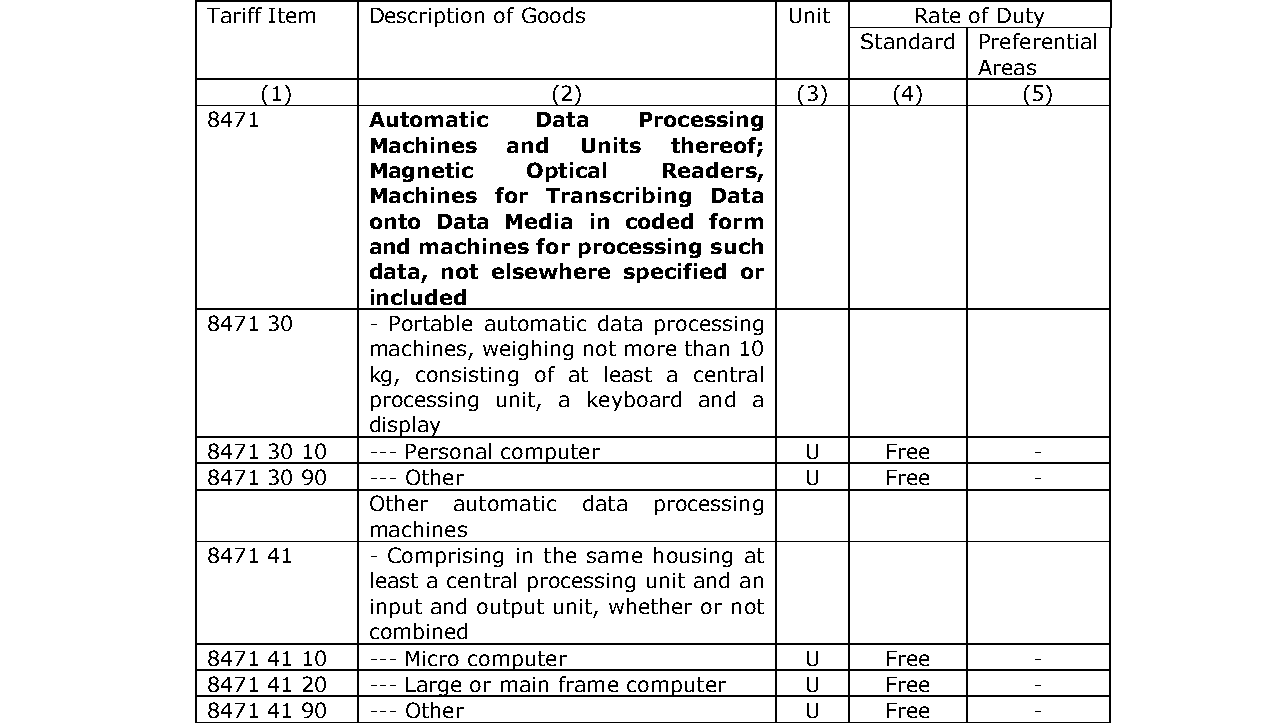
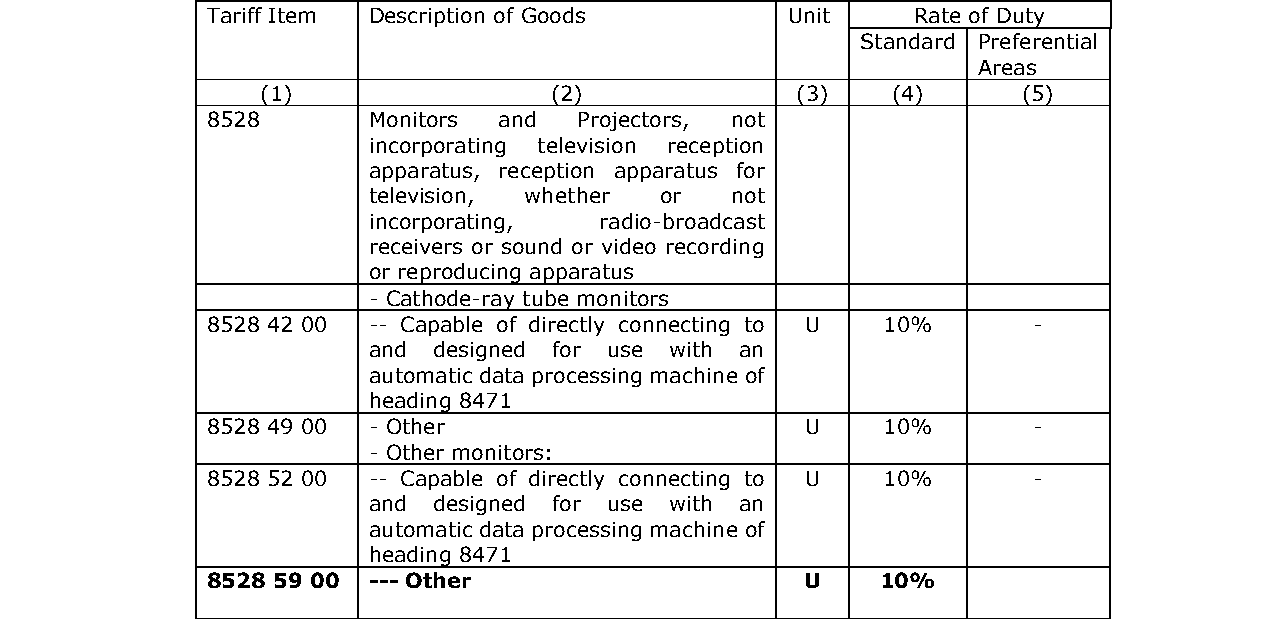
2. Brief facts of the case are that the appellant had imported goods declared as ‘Interactive Flat Panel with inbuilt CPUAIO-VDU’ and ‘parts and accessories of IFPD’. The goods were imported vide Bills of Entry, dated 09.08.2023 to 19.03.2024 as stated at Annexure ‘A’ and ‘B’ to the SCN and classified under CTI 8471 4900 and CTI 8473 3099 respectively before being warehoused. The imports were taken up for investigation by Customs. During examination of the goods by the officers of SIIB, Chennai it was found that the importer had filed ex- bond bills of entry for clearance for a part of the goods. The department was of the opinion that there are various types of interactive devices known by various names in the industry i.e. Interactive Whiteboard / Smartboard, Interactive Flat Panel Display etc. which are advanced technology devices used in conferences, classroom teachings etc. The essential functions of these device was felt to be that of a display monitor with an independent function which can act as an output device of a computer. The officers were of the opinion that the device could function individually with inputs from other sources as pen drives or from inputs from the internet sources etc., thus its main function is that of a monitor and not an ADP machine and the goods were classifiable as monitors for automatic data processing machines. After due process of law, the Ld. Commissioner of Customs classified the Interactive Flat Panel and its parts and accessories under CTI 8528 5900 and 8529 9090 respectively. He demanded differential duty of Rs.34,89,01,972/- under section 28(8) with applicable interest under section 28AA of the Customs Act, 1962 besides imposing fines and penalties. Hence the present appeal.
3. The Ld. Advocate Shri S. Murugappan appeared for the appellant and Ld. Authorized Representative Shri Anoop Singh appeared for the respondent. The Ld. Advocate requested for permission for a live demonstration of their product’s function. The Ld. A.R. had no objections and the same was permitted.
3.1 The Ld. Counsel for the appellant submitted that the Interactive Flat Panels have central processing units, touch screen facilities with graphic processing units and inbuilt software and these are widely used in educational institutes, training centers and corporate organizations for teaching, meetings and conferences etc. The goods are nothing but, automatic data processing units with large display screen and it satisfies all the conditions for classification under CTH 8471. Further the parts for these display units are classifiable under 84733099. The Interactive Flat Panels are not simpliciter monitors or passive display panels. He stated that the findings in the impugned order that the machines have an embedded operating system (OS) which is fixed and cannot be reprogrammed by the user is misleading. All computers have OS that are fixed and copyrighted which cannot be tampered with by the user. They have OPS slots for installing other operating software such as Windows. The system also permits the user to create and run other applications. It can also perform mathematical functions. He stated that there was no improper description or declaration of the goods imported as alleged in the SCN and the issue involves interpretation of correct classification. Therefore, the ingredients relating to invocation of extended period under Section 28 (4) of Customs Act, namely, collusion or wilful misstatement or suppression of facts are not present. On this preliminary ground, the extended period



An indispensable Tool for Legal Professionals, Endorsed by Various High Court and Judicial Officers
Please visit our Training & Support
Center or Contact Us for assistance

Scan Me!
India’s Legal research and Law Firm App, Download now!


For Daily Legal Updates, Join us on :



 Back to top


