Back
Back





2025 Supreme(Online)(ITAT) 4571
INCOME TAX APPELLATE TRIBUNAL (JAIPUR BENCH)
DR. S. SEETHALAKSHMI, JM, SHRI RATHOD KAMLESH JAYANTBHAI, AM
Ms. Prabha Rana – Appellant
Versus
Shri Gaurav Awasthi, JCIT-DR – Respondent
Income Tax Appeal|ITA No. 209/JPR/2025
For the Appellants/Petitioners: Ms. Prabha Rana
For the Respondents: Shri Gaurav Awasthi
The dismissal of an appeal ex-parte for alleged bogus purchases without considering adjournment requests violates natural justice, necessitating a fresh adjudication by the appellate authority.
Headnote:(A) Income Tax Act, 1961 - Sections 69C and 145 - Appeal against the ex-parte order of CIT(A) dismissing the appeal for alleged bogus purchases without proper adjudication, violates principles of natural justice - No rejection of books of accounts before treating purchases as bogus - Assessee provided sufficient evidence when given opportunity. (Paras 5.1, 5.2)
(B) Natural Justice - Dismissal of appeal ex-parte without considering adjournment requests denies the parties an opportunity to present their case - Appeals must not be decided without hearing both sides and should be based on merits. (Paras 2.1, 2.6)
Facts of the case:
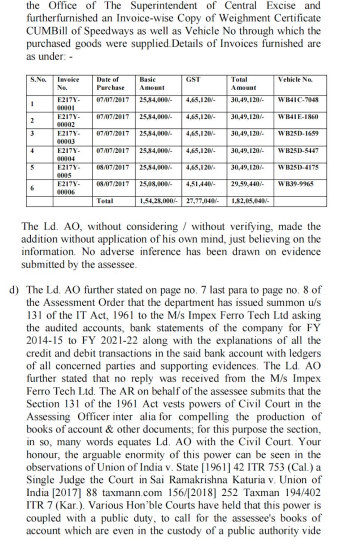
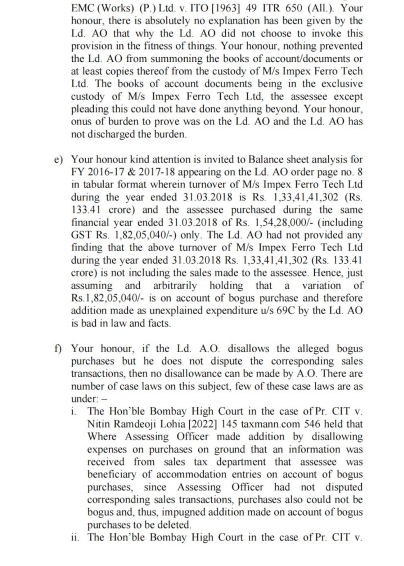
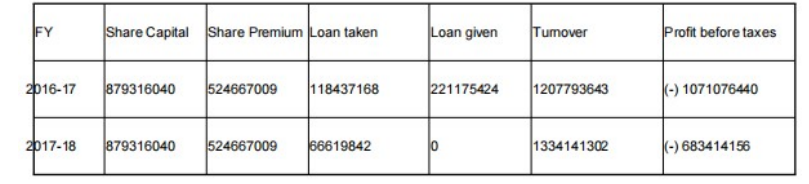
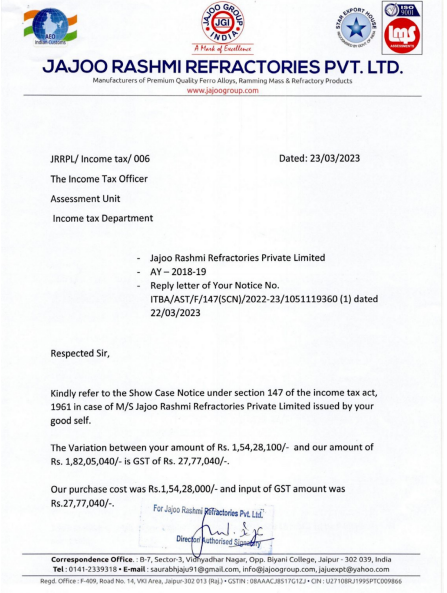
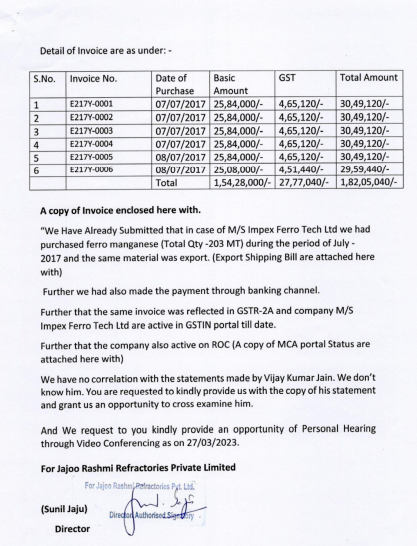
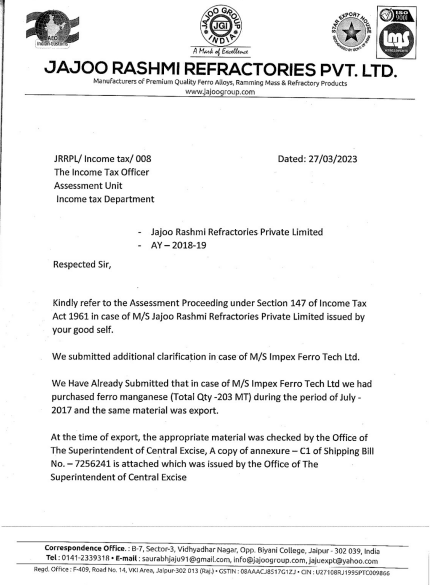
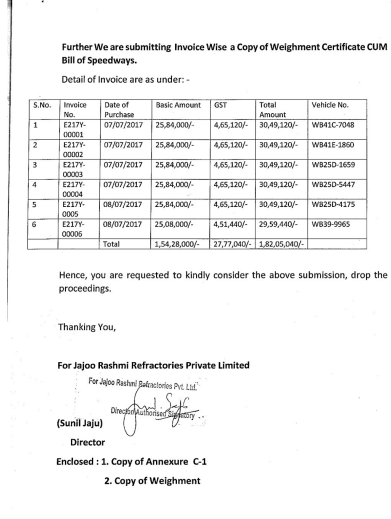
The assessee challenged the addition of Rs. 1,82,05,040/- as bogus purchases during assessment for the assessment year 2018-2019, arguing that the CIT(A) dismissed the appeal without giving a fair opportunity to contest. The ex-parte order was passed with no adjudication on merits despite the application for adjournment.
Findings of Court:
The appellate body held that the matter requires fresh adjudication by the CIT(A) while emphasizing that an adequate opportunity must be provided to the assessee to present evidence.
Issues: The primary issues were whether the appeal dismissal was valid given the violation of natural justice and whether the purchases could be categorically deemed as bogus without a thorough examination of evidence.
Ratio Decidendi: The court concluded that dismissing the appeal without considering the adjournment application or adjudicating on merits violates natural justice principles, which necessitate that both parties are heard in judicial proceedings.
Result: Appeal restored to CIT(A) for a fresh hearing.
ORDER
PER: DR. S. SEETHALAKSHMI, J.M.
This appeal filed by the assessee is directed against the order of the ld. CIT(A) dated 27-01-2025, National Faceless Appeal Centre, Delhi [ hereinafter referred to as (NFAC) ] for the assessment year 2018-19 raising therein following grounds of appeal.
‘’1. Not considering the ground of the assessee that without rejecting the books of account u/s 145 the addition made by rejecting purchases is bad in Law and facts.
2. That the order framed by the CIT(A)-NATIONAL FACELESS APPEAL CENTRE (NFAC) is bad in law and on facts as the CIT(A) NATIONAL FACELESS APPEAL CENTRE INFAC had not adjudicated the appeal on merits.
3. That the appellant craves leave to add or amend the ground of appeal before the appeal is heard and disposed off
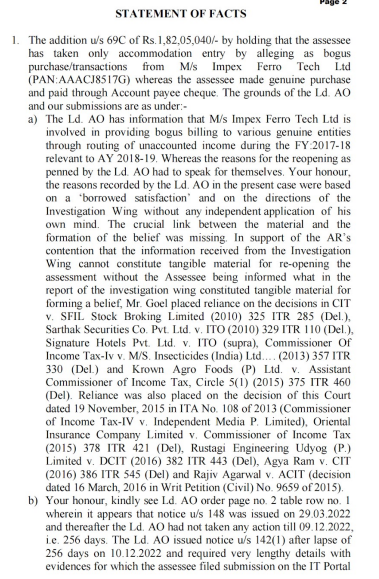
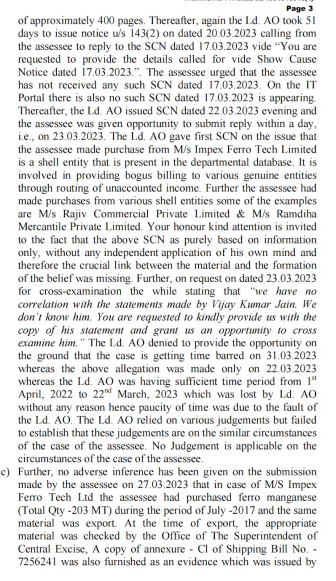
4. That the MCIT(A) NATIONAL FACELESS APPEAL CENTRE (NFAC) has erred in law and on facts in dismissing the appeal in liminee without deciding the appeal on merit on the basis of detailed Grounds of Appeal as well as Statement of 4 Facts filed even if the appeal was to be decided ex-parte. Neither adjournment application rejected, nor any further date given and also no communication informing the fate of the adjournment application communicated to appellant, thus, no proper and reasonable opportunity of hearing has been allowed by CIT(A).
5. That the 14 CIT(A) NATIONAL FACELESS APPEAL CENTRE (NFAC) has erred in law and on facts in dismissing the appeal exparte ignoring the fact that the assessee had duly applied for the adjournment hence the order of dismissal of appeal for non appearance is against the principal of natural
6. The exparte dismissal order order passed by the CIT(A)-NATIONAL FACELESS APPEAL CENTRE (NFAC) without even looking at the adjournment application is in complete violation of principal of natural justice by holding that "none appeared on the date of hearing on 22.1.202" when the appellant had duly filed request for adjournment on 20.1.2025
7. The confirming of the addition u/s 69C of Rs.1,82,05,040/-holding that the assessee has taken only accommodation entry of genuine purchase by alleging as bogus purchase/ transactions is bad in law and facts.
8. Not considering the ground of the assesove that not exercising property the vested powers of Civil Court in the Ld. AO inter alia for compelling the production of books of accounts and other documents u/s 131 of the Income Tax Act, 1961 is bad in law and facts.
2.1 Apropos grounds appeal (supra), it is noticed that the ld.CIT(A) has passed an ex-parte by dismissing the appeal of the assessee as the assessee has not even filed a written submission in support of its appeal despite several opportunities. The narration so made by the ld.CIT(E) in is order is reproduced as under:-
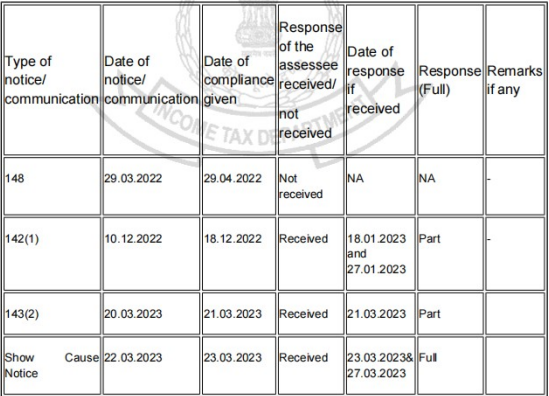
‘’5.1 Decision: I have carefully considered the relevant and material facts on record, in respect of this ground of appeal, as brought out in the assessment order During the assessment proceedings, AO observed that the assessee had assessee engaged in bogus purchase of Rs. 1,82,05,040/-. The assessee failed to give a reply and provide any required details. Hence, the A.O. completed the assessment and passed order u/s. 147/144B of the Income-tax Act dated29.03.2023 Assessing total Income at Rs. 2,15,71,990/-
5.2 It is further noted and as detailed in preceding para above that during the appellate proceedings a final opportunity was given to the assessee to submit written submission by 22.01.2025, the appellant has not furnished any evidence in support of its grounds of appeal. The appellant has challenged the addition in the different grounds of appeal. However, the appellant has not furnished any written submission or documentary evidence in support of its grounds of appeal challenging the addition. The appellant has also not submitted any copy of its written submission or documentary evidence filed during the assessment proceedings. The onus lies the appellant to support any claim by bringing in cogent documentary evidence but the appellant