SupremeToday Landscape Ad
Back
Next
Judicial Analysis Court Copy Headnote Facts Arguments Court observation
Listen Audio Icon Pause Audio Icon
judgment-img

2026 Supreme(Online)(ITAT) 13332

INCOME TAX APPELLATE TRIBUNAL (MUMBAI BENCH)
ICICI Bank Ltd. – Appellant
Versus
Deputy Commissioner of Income Tax – Respondent
ITA No.7027/Mum/2016 | ITA No.7292/Mum/2016 | ITA No.5382/Mum/2017 | ITA No.5512/Mum/2017


The court ruled on several recurring tax issues, including that a Letter of Comfort is an international transaction with an ALP adjustment restricted to 0.04%, MTM losses, depreciation on goodwill/leased assets, and ESOS expenses are allowable, and provision for expenses is deductible under the mercantile system.

Headnote:(A) Income Tax Act, 1961 - Sections 14A, 32, 37, 40(a)(ii), 90, 91, 92B, 92CA, 143(3), 144

(C)(3) and 254 - Income Tax Rules, 1962 - Rule 8D - Transfer pricing - Back office support services - Letter of comfort - Arm's Length Price - Mark to Market (MTM) losses - Disallowance under Section 14A - Depreciation on leased assets - Depreciation on goodwill - Employees Stock Option Scheme (ESOS) expenses - Broken period interest - Club expenses - Provision for expenses - State and city tax.

(B) Transfer pricing - International transaction - Letter of comfort - The issuance of a Letter of Comfort constitutes an international transaction. However, the transfer pricing adjustment in respect of commission for issuance of a Letter of Comfort is restricted to 0.04%. (Para 13.1)

(C) Transfer pricing - Back office support services - Comparables - The exclusion of comparables on account of functional dissimilarities or high turnover, as consistently directed by co-ordinate benches in the assessee's own case for prior assessment years, was upheld. (Paras 12.9, 12.10)

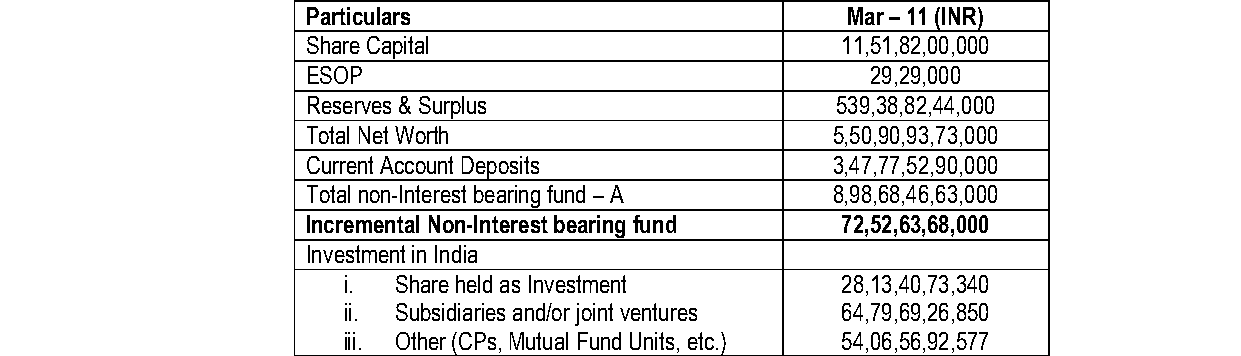
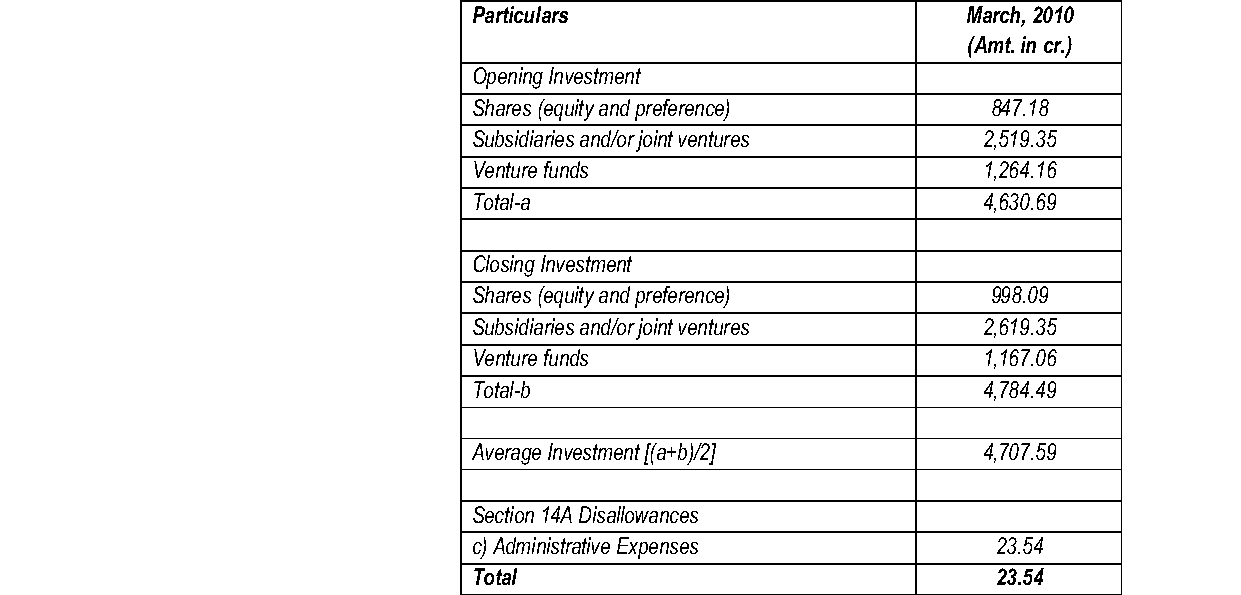
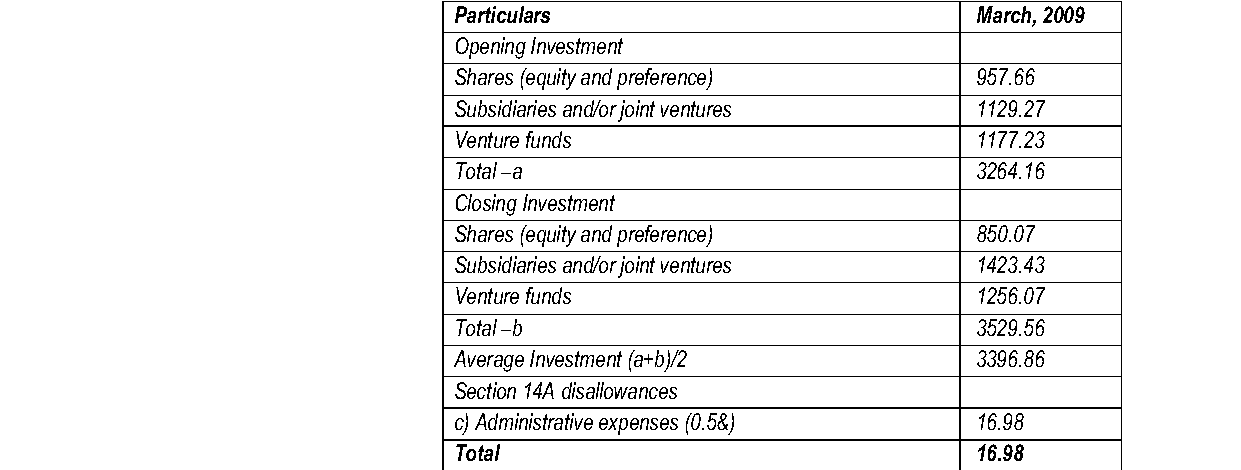
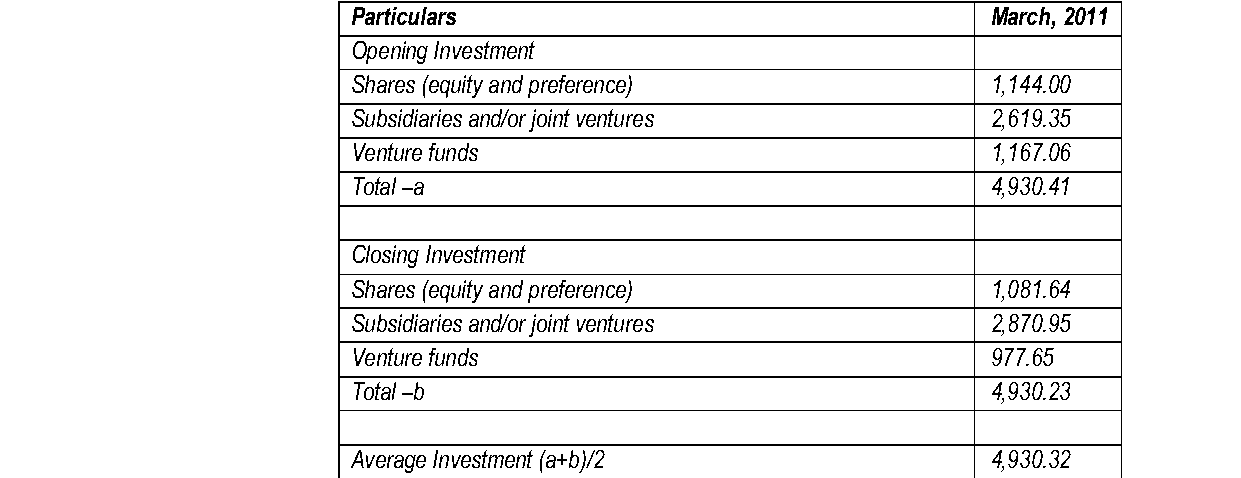
(D) Mark to Market (MTM) losses on forex derivatives - MTM losses are not contingent liabilities and are allowable as a deduction under Section 37(1) of the Act, following the decision in Woodward Governor and the co-ordinate bench's ruling in the assessee's own case for earlier years. (Paras 14.5, 14.6) (E) Disallowance under Section 14A read with Rule 8D - Where an assessee has sufficient interest-free funds, the presumption that investments yielding tax-free income were made from such funds applies. The issue of computation of disallowance under Rule 8D(2)(iii) for administrative expenses was remitted to the Assessing Officer for verification in line with the Special Bench decision in Vireet Investment P. Ltd. (Paras 15.7-15.10) (F) Depreciation on leased assets - Depreciation is allowable to the lessor in a bona fide lease transaction following the Supreme Court decision in ICDS vs. CIT. (Paras 16.1-16.4) (G) Depreciation on goodwill - Goodwill is an intangible asset falling under Explanation 3(b) to Section 32(1) of the Act, and depreciation is allowable on it, following the Supreme Court decision in Smifs Securities Ltd. (Paras 17.7-17.9) (H) Employees Stock Option Scheme (ESOS) Expenses - The difference between the exercise price and the market price of ESOS is an allowable business expenditure under Section 37(1) of the Act. (Paras 18.4-18.5) (I) Broken period interest - Broken period interest paid on securities held as stock-in-trade is allowable as a revenue expenditure. (Paras 21.5-21.6) (J) Provision for expenses - Provision for expenses made at the year-end as per the mercantile system of accounting is allowable as a deduction, even if no TDS was deducted on such provisions, following the Karnataka High Court decision in Subex Ltd. (Para 24.2)

Facts of the case:
These appeals pertain to Assessment Years 2011-2012 and 2012-2013. The assessee, a commercial bank, provided back office support services to its Associated Enterprises (AEs) and issued a Letter of Comfort. Issues included transfer pricing adjustments, disallowance of MTM losses, disallowance under Section 14A, depreciation on leased assets, depreciation on goodwill, ESOS expenses, broken period interest, club expenses, provision for expenses, and state and city taxes paid by its foreign branch.

Findings of Court:
The court upheld the principle that a Letter of Comfort is an international transaction but restricted the ALP adjustment to 0.04%. It directed the exclusion of certain comparables for back office services. It upheld the allowability of MTM losses, depreciation on leased assets and goodwill, ESOS expenses, broken period interest, club expenses, and provision for expenses. It remitted the computation of disallowance under Section 14A read with Rule 8D(2)(iii) for verification. It also directed the Assessing Officer to examine the claim for state and city taxes paid by the foreign branch as per law.

Issues: The main issues were whether the transfer pricing adjustments on the Letter of Comfort and back office services were correct; whether MTM losses, depreciation on goodwill/leased assets, ESOS expenses, broken period interest, club expenses, and provisions for expenses were allowable; and whether disallowance under Section 14A was correctly computed.

Ratio Decidendi: The court relied on the principle of consistency, following its own prior decisions for the assessee, and precedents from the Supreme Court and Karnataka High Court to hold that certain expenses and losses are allowable, and that transfer pricing adjustments must be correctly computed with appropriate comparables.

Result: All four appeals were partly allowed.

(B) Transfer pricing - International transaction - Letter of comfort - The issuance of a Letter of Comfort constitutes an international transaction. However, the ALP of the guarantee commission for issuance of a Letter of Comfort was restricted to 0.04% in view of the decision of the Co-ordinate Bench of the Tribunal in the case of the Assessee for the Assessment Year 2009-2010 and the decision of the Mumbai Bench of the Tribunal in the case of Asian Paints Ltd. [2024] 160 taxmann.com 214 (Mum). This was because the Revenue failed to show the decision would not apply to the present year. (Para 13.1)

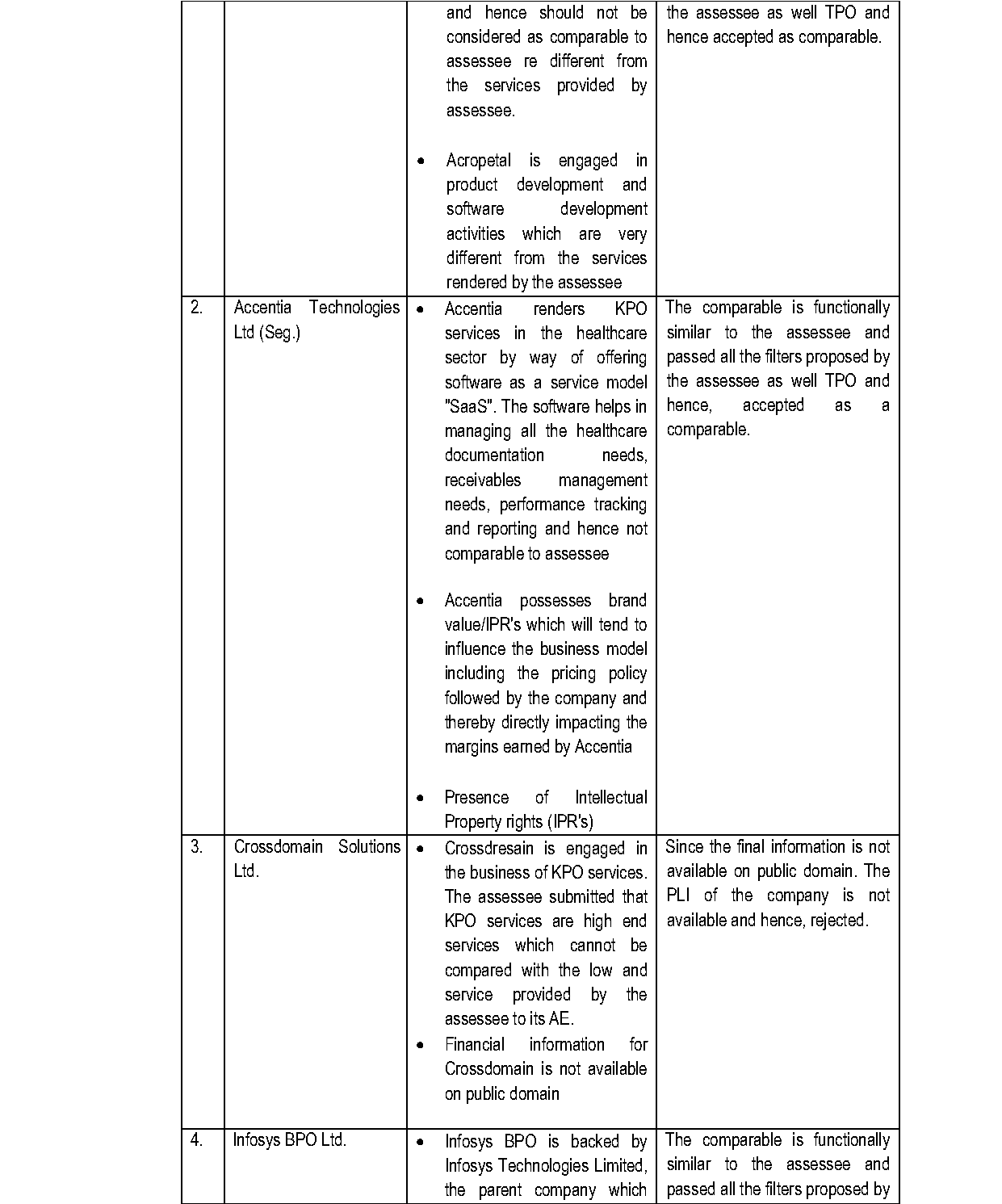
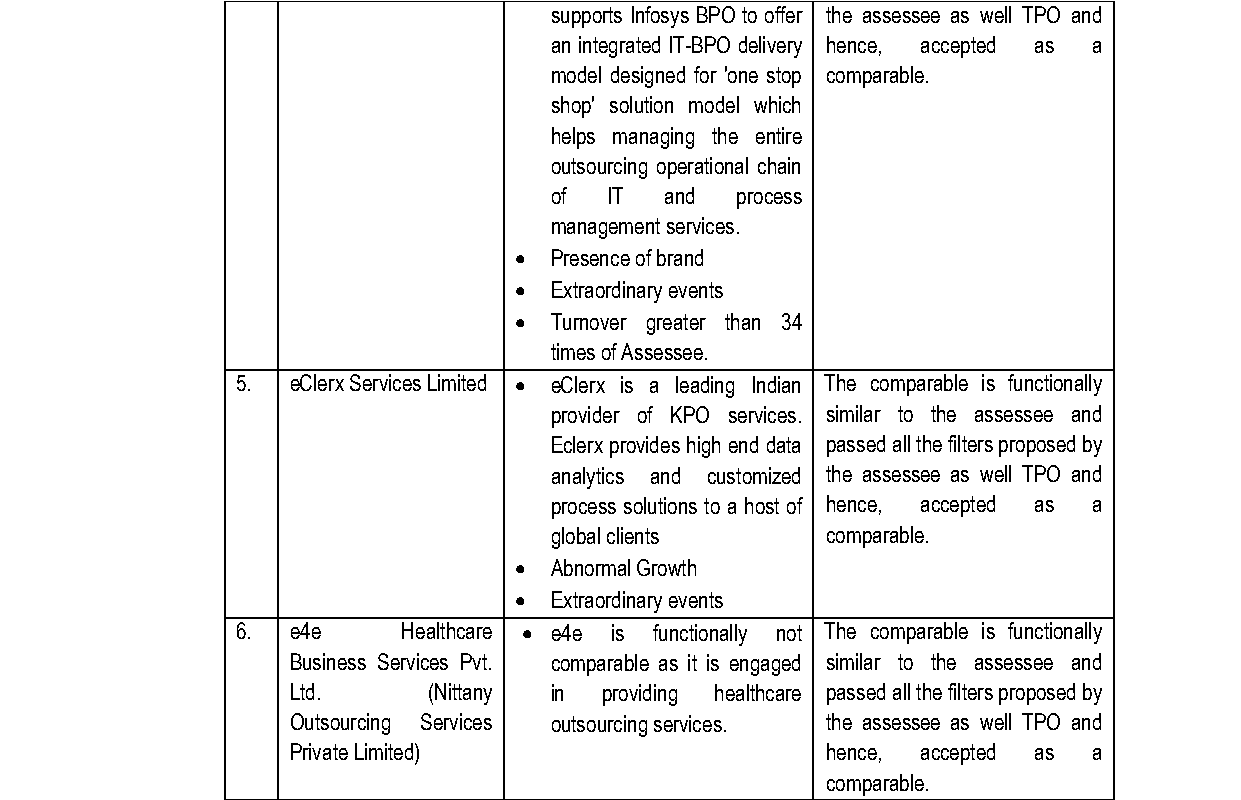
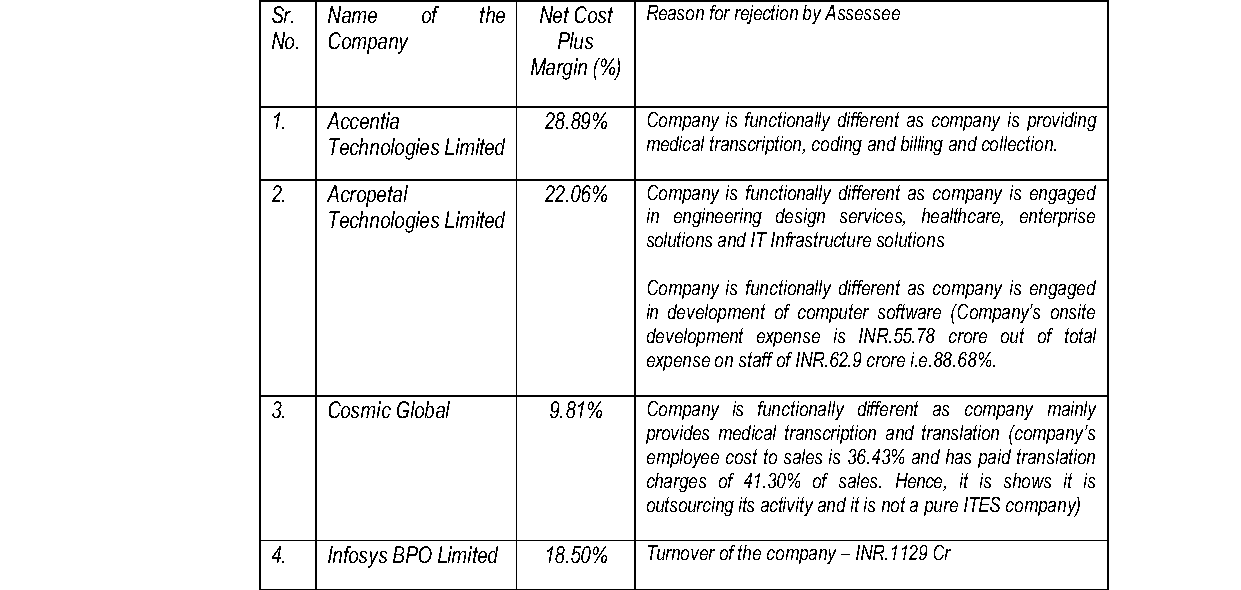
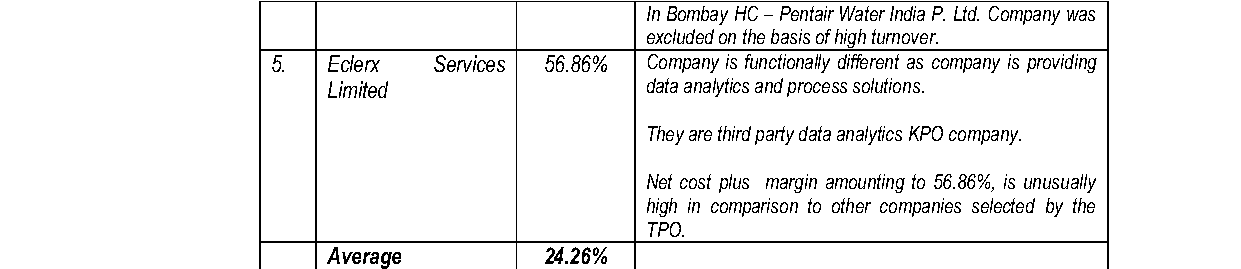
(C) Transfer pricing - Comparables - The exclusion of Accentia Technologies Limited, Acropetal Technologies Limited, Cosmic Global, and Eclerx Services Limited was directed on account of functional dissimilarities, as consistently held by co-ordinate benches for prior assessment years. Infosys BPO Ltd. was excluded on account of high turnover, per the same consistent view. (Paras 12.9, 12.10)

(D) Mark to Market (MTM) losses on forex derivatives - The disallowance of MTM losses was upheld as allowable under Section 37(1) because they are not contingent liabilities, following the Supreme Court in Woodward Governor and the co-ordinate bench's decision for AY 2010-11 in the assessee's own case. (Para 14.5, 14.6) (E) Section 14A disallowance - The deletion of disallowance under Rule 8D(2)(ii) was upheld because the assessee had sufficient interest-free funds to make the investments yielding exempt income. The issue of computation of disallowance under Rule 8D(2)(iii) for administrative expenses was remitted to the Assessing Officer for verification in line with the co-ordinate bench's order for AY 2010-11 and 2009-10. (Paras 15.7-15.10) (F) Depreciation on leased assets - Depreciation on leased assets was allowed, following the Supreme Court in ICDS vs. CIT and the co-ordinate bench's decision for AY 2010-11 in the assessee's own case. (Paras 16.1-16.4) (G) Depreciation on goodwill - Depreciation on goodwill was allowed as an intangible asset under Explanation 3(b) to Section 32(1), following the Supreme Court in Smifs Securities Ltd. (Paras 17.7-17.9) (H) Employees Stock Option Scheme (ESOS) Expenses - The discount on issuance of ESOPs is an allowable business expenditure under Section 37(1), following the decision in Biocon Ltd. and the co-ordinate bench's decision for AY 2010-11. (Paras 18.3-18.5) (I) Broken period interest - Broken period interest paid on securities held as stock-in-trade is allowable as a revenue expenditure, based on the Bombay High Court decision in American Express International Banking Corporation and the co-ordinate bench's decisions for the assessee. (Paras 21.5-21.6) (J) Provision for expenses - Provision for expenses made at the year-end as per the mercantile system of accounting is allowable as a deduction, even if no TDS was deducted, following the co-ordinate bench's decision for AY 2010-11 and 2009-10, which relied on the Karnataka High Court in Subex Ltd. (Para 24.2)

Facts of the case:
The judgment disposes of a batch of four cross-appeals by an assessee bank and the Revenue for Assessment Years 2011-2012 and 2012-2013. The appeals arose from orders of the CIT(A) partly allowing the assessee's appeal against the Assessment Order. The disputes involve transfer pricing adjustments for back office support services and a Letter of Comfort, as well as various other disallowances related to MTM losses, Section 14A, depreciation, ESOS expenses, broken period interest, club expenses, provisions for expenses, and foreign taxes.

Findings of Court:
The court found that the Letter of Comfort is an international transaction but restricted the ALP adjustment to 0.04%. It directed the exclusion of certain comparables for back office support services. It upheld the allowability of MTM losses, depreciation on leased assets and goodwill, ESOS expenses, broken period interest, club expenses, and provision for expenses. It remitted the computation of disallowance under Section 14A read with Rule 8D(2)(iii) for verification. It also directed the Assessing Officer to examine the claim for foreign taxes as per law.

Issues: The main issues included whether transfer pricing adjustments were correctly computed; whether MTM losses, depreciation on leased assets/goodwill, ESOS expenses, broken period interest, club expenses, and provisions for expenses were allowable deductions; and whether disallowance under Section 14A was correctly computed.

Ratio Decidendi: The court's reasoning was based on judicial consistency, following its own prior decisions for the assessee and precedents from the Supreme Court and High Courts, holding that certain expenses and losses are allowable if they meet the legal criteria, and that transfer pricing adjustments must be based on proper comparables.

Result: All four appeals were partly allowed.

Legal Category Hierarchy

  • income tax
    • transfer pricing
      • comparable selection
      • letter of comfort
    • business income
      • mark to market losses
      • deductions
        • employee stock option expenses
        • club membership fees
        • broken period interest
        • provision for expenses
    • depreciation
      • leased assets
      • goodwill
    • disallowances
      • section 14a
        • rule 8d
    • foreign tax credit
      • section 90/91
    • procedure
      • appeals (Para 38)

Table of Contents

1. Cross-appeals concerning transfer pricing adjustments and disallowances under Income Tax Act for assessment years 2011-2012 and 2012-2013. (Para 1 , 2 , 3 , 4 , 5 , 6 , 25 )

2. Disputes over transfer pricing comparables, characterization of letter of comfort, and allowability of various deductions and disallowances. (Para 8 , 9 , 14 , 16 , 17 , 18 , 19 , 20 , 21 , 22 , 23 , 24 , 25 , 27 , 29 , 30 , 31 , 32 , 33 , 34 , 35 , 36 , 37 )

3. All four appeals partly allowed. (Para 38 )

ORDER

Per Bench:

1. This is a batch of four appeals consisting of a set of 2 cross-appeals pertaining to Assessment Years 2011-2012 and 2012-2013. Since common issues were raised in the appeals, the same were heard together and are, therefore, being disposed off by way of a common order.

Assessment Year 2011-2012

ITA No.7027/Mum/2016 [Assessee’s Appeal] &

ITA No.7292/Mum/2016 [ Revenue’s Appeal]

2. We would first take up cross-appeals for Assessment Year 2011- 2012 arising from order dated, 31/08/2016, passed by the Commissioner of Income Tax (Appeals)-56, Mumbai [hereinafter referred to as the ‘CIT(A)’] whereby the Ld. CIT(A) had partly allowed the appeal of the Assessee against the Assessment Order, dated 25/03/2015, passed under Section 143(3) read with Section 144(C)(3) of the Income Tax Act, 1961 [hereinafter referred to as ‘the Act’].

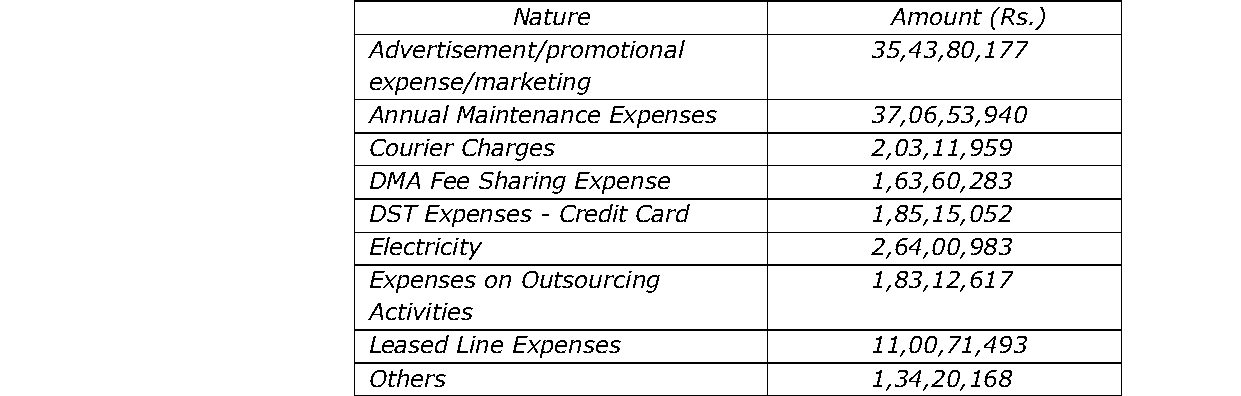
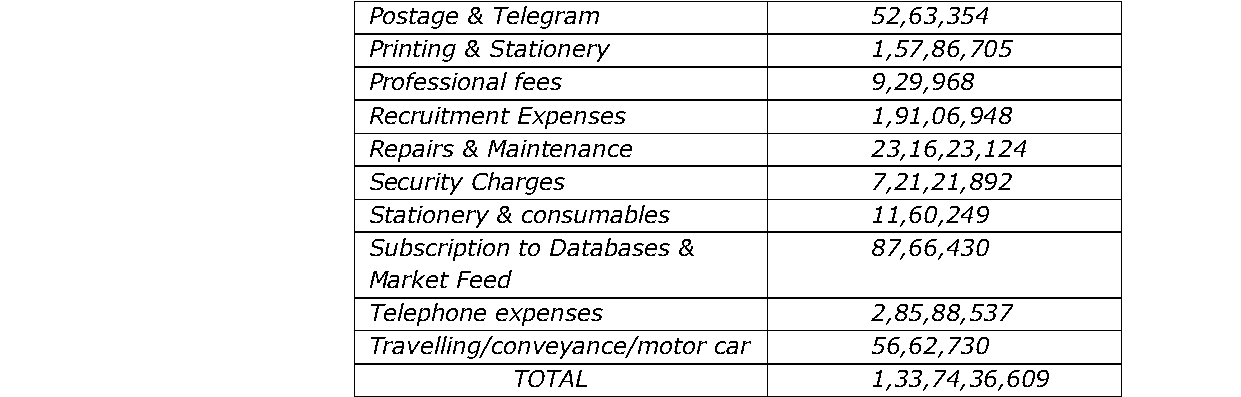
3. The relevant facts in brief are that the Assessee, a commercial bank, filed its original return of income for Assessment Year 2011-2012 on 28/11/2011 declaring the total income of INR.6269,23,75,570/- which was revised on 29/03/2013 declaring total income of INR.5456,09,08,140/-. The case of the Assessee was selected for regular scrutiny. During the assessment proceedings, a reference under Section 92CA(1) of the Act was made to the Transfer Pricing Officer (the ‘TPO’) on 22/10/2013 for determination of Arm’s Length Price (ALP) in relation to the International Transactions with Associated Enterprises (AEs). The TPO, vide Order, dated 29/01/2015, passed under Section 92CA(3) of the Act made upwards adjustment of INR.1,65,65,575/- in the ALP of the following International Transaction with AEs:

:

The Assessing Officer incorporated by the above transfer pricing adjustments in the Draft Assessment Order, dated 27/02/2015, and proposed additional corporate tax additions and disallowances.

4. Since, the Assessee opted not to file objections before the Dispute Resolution Panel against the Draft Assessment Order, the Assessing Officer passed the Assessment Order, dated 25/03/2015 under Section 143(3) read with Section 144(C)(3) of the Act.

5. The Assessee challenged the additions/disallowances made by the Assessing Officer in appeal before the Learned CIT(A) which was disposed off as partly allowed vide Order, dated 31/08/2016.

6. Now, both, the Assessee and the Revenue are in appeal before the Tribunal against the above order passed by the Learned CIT(A).

7. We have heard both the sides and have perused the material on record.

ASSESSMENT YEAR 2011-2012

8. We would first take up the grounds raised by the Revenue along with the connected grounds raised by the Assessee in appeal for the Assessment Year 2011-2012.

ITA No.7292/Mum/2016 [ Revenue’s Appeal]

Ground No. 1 raised by Assessee

Ground No. 1 raised by Revenue

9. Ground No. 1 raised by the Revenue and Ground No. 1 raised by the Assessee pertain to transfer pricing additions and are, therefore, taken up together.

9.1. Ground No.1 raised by the Revenue reads as under:

“1. Whether on the facts and circumstances of the case, the Ld.CIT(A) erred in holding that the comfort letter/corporate guarantee given to the Monetary Authority of Singapore on behalf of its AE does not constitute to be an international transaction, without appreciating the amended provisions of section 92B(1) Explanation(c) of the Income Tax Act.”

9.2. Ground No.1 raised by the Assessee reads as under:

“1. Adjustment as per Transfer Pricing Order under section 92CA(3) – INR.1,34,15,865 On the facts and circumstances of the case and in law, the CIT(A) erred in upholding the comparables taken by the Transfer Pricing Officer [TPO] vide his order dated January 29, 2015 passed under section 92CA(3) of the Act and confirming the adjustment made to the arm’s length price in respect of back office support services.”

10. The relevant facts in brief are that transfer pricing addition of INR.1,65,65,575/- was made in the Assessment Order as per Order, dated 29/01/2015, passed by the TPO under Section 92CA(3) of


Click Here to Read the rest of this document
1
2
3
4
5
6
7
8
9
10
11
SupremeToday Portrait Ad
supreme today icon
logo-black

An indispensable Tool for Legal Professionals, Endorsed by Various High Court and Judicial Officers

Please visit our Training & Support
Center or Contact Us for assistance

qr

Scan Me!

India’s Legal research and Law Firm App, Download now!

For Daily Legal Updates, Join us on :

whatsapp-icon Back to top