
 Back
Back





HIGH COURT OF JHARKHAND
Rajesh Shankar, J
Pali Hill Breweries Private Limited – Appellant
Versus
State of Jharkhand – Respondent
W.P.(T) No.3228 of 2021|W.P.(T) No. 3374 of 2021|W.P.(T) No. 3499 of 2021|W.P.(T) No. 3734 of 2021|W.P.(T) No. 3829 of 2021|W.P.(T) No. 4035 of 2021|W.P.(T) No. 4077 of 2021|W.P.(T) No. 4108 of 2021|W.P.(T) No. 4968 of 2021|W.P.(T) No. 5429 of 2021|W.P.(T) No. 120 of 2022|W.P.(T) No. 409 of 2022|W.P.(T) No. 411 of 2022|W.P.(T) No. 433 of 2022|W.P.(T) No. 434 of 2022|W.P.(T) No. 435 of 2022|W.P.(T) No. 436 of 2022|W.P.(T) No. 437 of 2022|W.P.(T) No. 447 of 2022|W.P.(T) No. 454 of 2022|W.P.(T) No. 552 of 2022|W.P.(T) No.553 of 2022|W.P.(T) No. 554 of 2022|W.P.(T) No. 555 of 2022|W.P.(T) No. 687 of 2023|W.P.(T) No. 5053 of 2024|W.P.(T) No. 3795 of 2025
| Table of Content |
|---|
| 1. historical and statutory context of jharkhand electricity duty act, 1948. (Para 1 , 2 , 47 , 48 , 49 , 50 , 51 , 52 , 53 , 54 , 55) |
| 2. charging section must define tax basis correctly. (Para 3 , 4 , 5 , 6 , 7 , 8 , 9 , 10 , 11) |
| 3. invalidity of unguided delegation of legislative power. (Para 12 , 13 , 14 , 15 , 16 , 17 , 18 , 56 , 57 , 58 , 59 , 60 , 61 , 62 , 63 , 64 , 65 , 66 , 67) |
| 4. procedural mandate for rules and invalidity of retrospective levy. (Para 19 , 20 , 21 , 22 , 85 , 86 , 87 , 88 , 89 , 90 , 91 , 92 , 93 , 94 , 95 , 96) |
| 5. judicial restraint regarding economic and tax policy. (Para 23 , 24 , 25 , 26 , 97 , 98 , 99 , 100 , 101 , 102 , 103 , 104 , 105 , 106) |
| 6. final orders, quashing of illegal levies, and adjustment mechanisms. (Para 107 , 108 , 109) |
Reserved on 15.12.2025 Pronounced On 05.01.2026 Per: Rajesh Shankar, J.
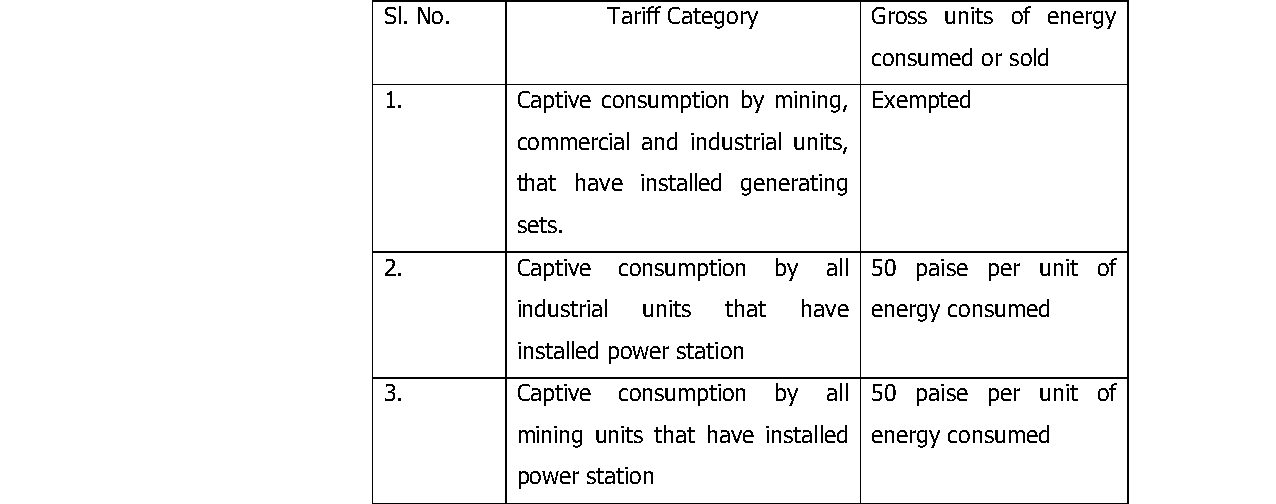
1. In the present batch of writ petitions, the petitioners have challenged the vires and validity of Sections 2 and 3 of the Jharkhand Electricity Duty (Amendment) Act, 2021 (Jharkhand Act No.05 of 2021) (hereinafter to be referred as 1st Amendment Act, 2021) notified in the Extraordinary Edition of Jharkhand Gazette published by the Government of Jharkhand on 07.07.2021. The petitioners have also challenged the vires of the Jharkhand Electricity Duty (Amendment) Rules, 2021 (hereinafter referred as the Rules, 2021) notified in the Extraordinary Edition of Jharkhand Gazette published by the Government of Jharkhand on 01.04.2022. Some of the writ petitioners, who are the captive consumers, have challenged the vires and validity of the Jharkhand Electricity Duty (Amendment) Act, 2021 (Jharkhand Act, 02 of 2022) (hereinafter to be referred as the 2nd Amendment Act, 2021) notified in the Extraordinary Edition of Jharkhand Gazette published by the Government of Jharkhand on 17.02.2022.
2. The petitioners have also prayed for refund of the amount of electricity duty along with interest, if any, realized from them pursuant to the 1st Amendment Act, 2021.
Argument on behalf of the petitioners:
3. Mr. M.S Mittal, learned senior counsel represents both sets of writ petitioners i.e., the electricity consumers as well as captive power plants (CPP).
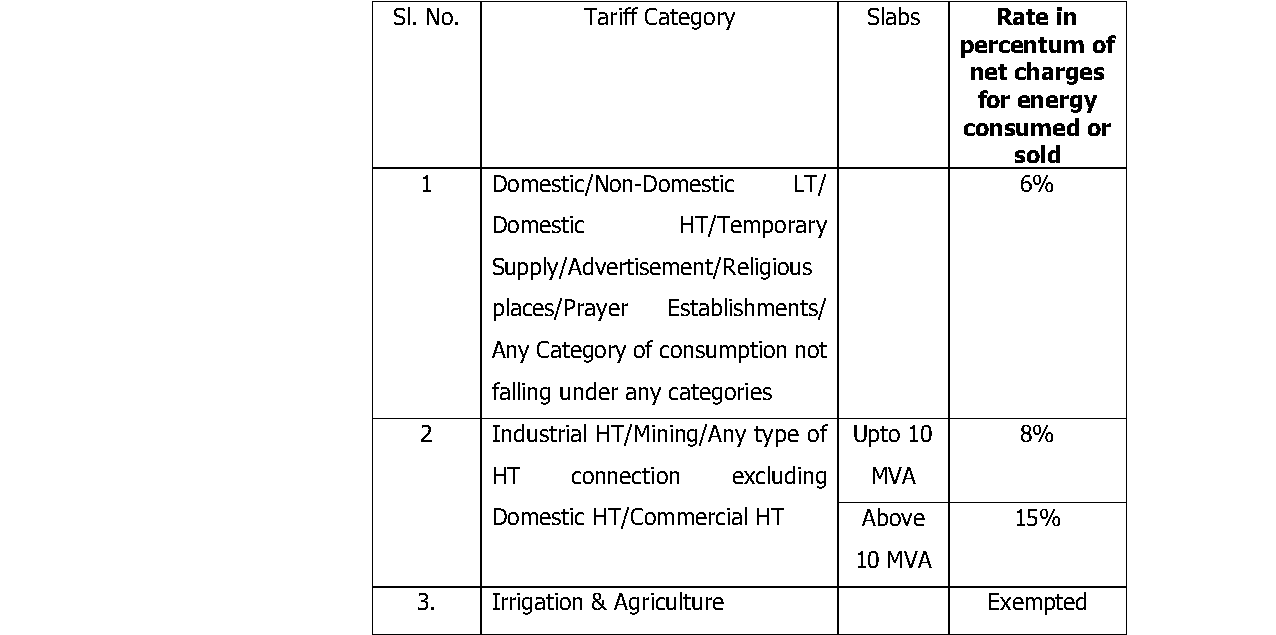
4. It is submitted that in view of Section 3 of the Bihar Electricity Duty Act, 1948 (in short “the Act, 1948”) the electricity duty was being realised from the concerned petitioners on the basis of units of energy sold or consumed at the rate or rates specified in the Schedule of the said Act, however, vide 1st Amendment Act, 2021, the said Act has been amended introducing a new method for computation of electricity duty at the rate of certain percentage of the 'net charges' calculated for the energy sold or consumed as a result of which the electricity duty payable by the petitioners has significantly increased.
5. Mr. Mittal by producing an electricity bill for the HT consumer relating to the month of July, 2021 issued to one of the petitioners i.e. M/s Pali Hill Breweries Pvt. Ltd., submits that prior to the 1st Amendment Act, 2021, the said petitioner would have been liable to pay electricity duty at the rate of Rs.0.05 per unit (5 paise) for the electricity consumption of 1,10,136 units amounting to Rs.5,506.80/-. However, as a result of introduction of the said Amendment, the liability to pay the electricity duty by the said petitioner at the rate of 8% of 'net energy charges' (since its contract demand is less than 10 MVA) has radically enhanced to Rs.55,556.16/- (8% of the net energy charges calculated for the said month i.e. Rs.6,94,452). Therefore, its liability to pay the electricity duty has increased by almost 1000%.
6. The respondents cannot distort the language of Section 3 (1) of the Act, 1948 to include within its ambit, charging of electricity duty on ‘net charges’ calculated for energy consumed or sold when a plain reading of the charging section does not authorize them to levy electricity duty on any basis, other than the units of energ



An indispensable Tool for Legal Professionals, Endorsed by Various High Court and Judicial Officers
Please visit our Training & Support
Center or Contact Us for assistance

Scan Me!
India’s Legal research and Law Firm App, Download now!


For Daily Legal Updates, Join us on :



 Back to top


