
 Back
Back





HIGH COURT OF JHARKHAND
Sujit Narayan Prasad, Arun Kumar Rai, JJ
Union of India – Appellant
Versus
Sanjeev Kumar Suman – Respondent
W.P(S) No.5864 of 2023 | W.P(S) No.5823 of 2023
| Table of Content |
|---|
| 1. summary of facts and grievances regarding pay scale disparity. (Para 1 , 2 , 3 , 4 , 5) |
| 2. arguments concerning tribunal jurisdiction and scope of judicial review. (Para 6 , 7 , 8 , 9 , 10 , 11 , 12 , 13) |
| 3. analysis of distinct cadre structures and administrative policy limitations. (Para 14 , 15 , 16 , 17 , 18 , 19 , 20 , 21 , 22 , 23 , 24 , 25 , 26 , 27 , 28) |
| 4. article 14 application: rational classification vs. hostile discrimination. (Para 29 , 30 , 31 , 32 , 33 , 34 , 35 , 36 , 37 , 38 , 39 , 40 , 41) |
| 5. tribunals cannot exceed jurisdiction through 'one-time' remedies. (Para 42 , 43 , 44 , 45 , 46 , 47 , 48 , 49 , 50 , 51) |
Order No.10/Dated:9th February, 2026 Per Sujit Narayan Prasad, J.
1. Both the writ petitions are taken up together for hearing since the common issues are involved in these writ petitions and these are preferred against the common order passed by the learned Central Administrative Tribunal, Patna Bench, Patna (Circuit Bench at Ranchi) [in short, the learned Tribunal].
2. These writ petitions under Article 226 of the Constitution of India are directed against the common order dated 19.05.2023 passed in O.A No. OA/051/00343/2021 and the second one in O.A No. OA/051/00346/2021 by the learned Tribunal whereby and whereunder direction has been given to grant same pay as Sachin Kumar Gupta and Anurag Kumar to the respondent-applicants from the date they were promoted as Chief Commercial Inspector and the order dated 29.04.2021 passed by the Senior Divisional Commercial Manager, South Eastern Railway, Ranchi Division, Ranchi has been quashed.
3. The brief facts of the case as per the impugned order and the pleadings made in the writ petition which require to be enumerated reads as under:
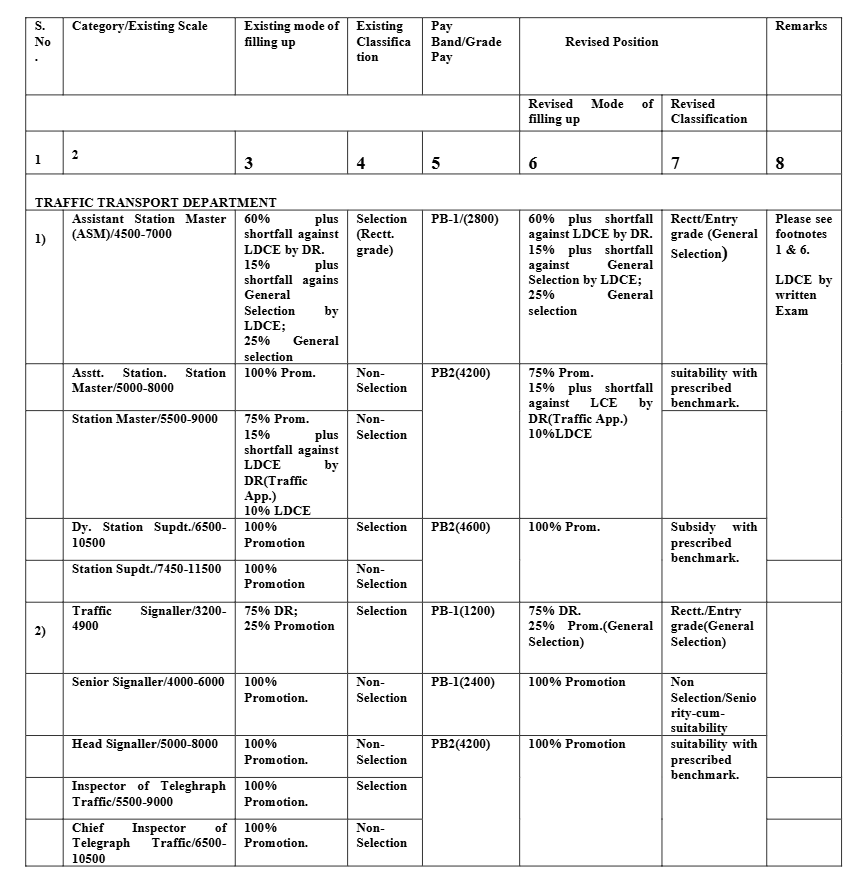
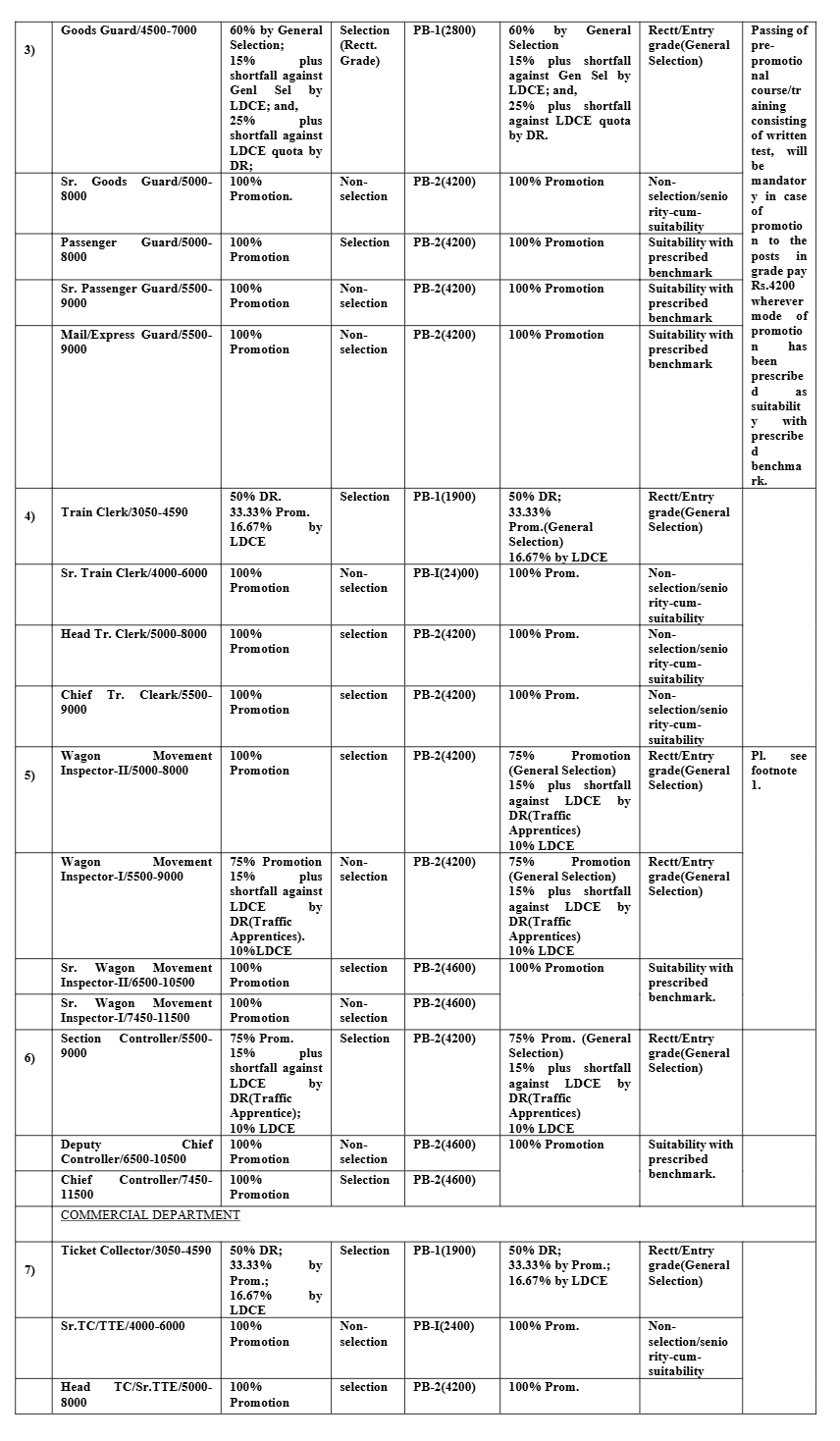
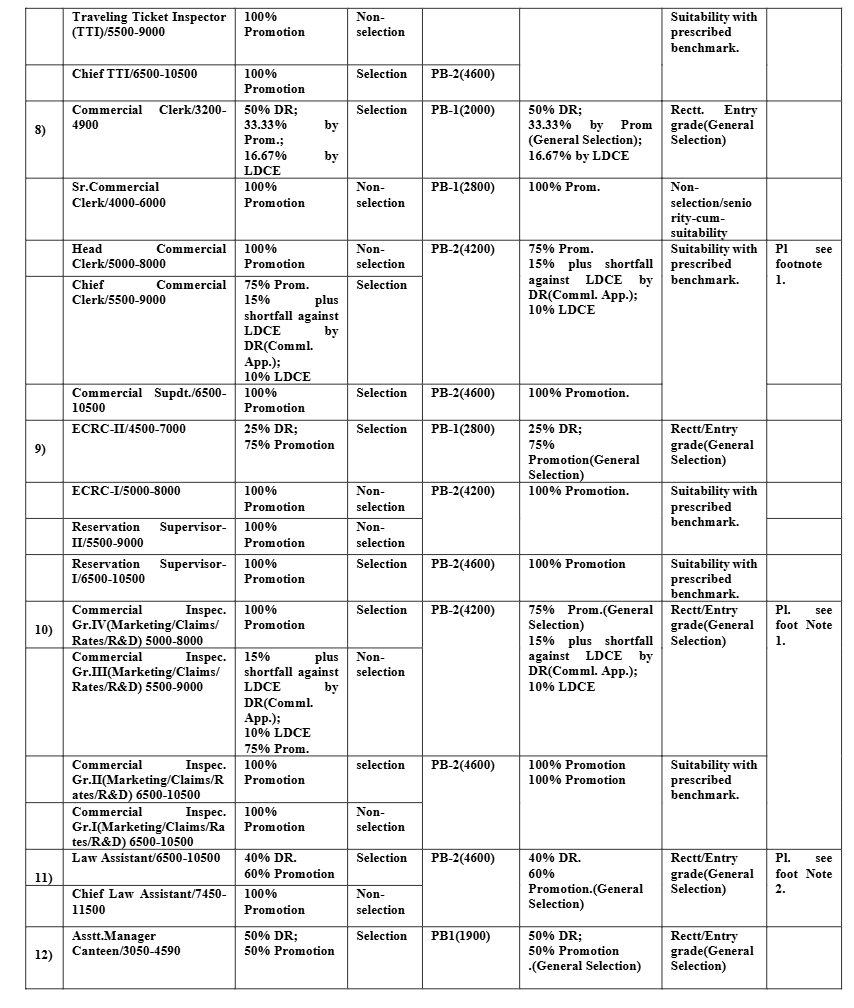
(i) The Grievance of the applicants(respondents herein) is that they were selected for the post of Commercial Apprentice, after due process, pursuant to Centralised Employment Notice of year 2010 and after training they were appointed to the post of Chief Commercial Clerk/Commercial Inspector in year 2015 but are being given GP @ Rs 4200/- P.M. whereas some of their junior selected for the same post of Commercial Apprentice pursuant to similar Employment Notice of subsequent year and after training were appointed to the post of Chief Commercial Clerk/Commercial Inspector are being given GP @ Rs 4600/- P.M..
(ii) The case of the applicants, as is emerging from their respective OA is that they presently are manning the post of Chief Commercial Clerk (Goods), that they are selectee of Batch No2/13 for the post of Commercial Apprentice and were selected pursuant to Centralised Employment Notice No. 02/2010 dated 13/2/2010 (Annexure A/1 in OA No. 343/2021 and offer of appointment dated 07.01.2013 and dated 13.09.2012, respectively for the post of Commercial Apprentice was given to them and after recruitment to the post of Commercial Apprentice they were sent for requisite training.
(iii) They underwent three years training successfully and on completion of training were appointed as Chief Commercial Clerk/Commercial Inspector, in the Pay band of Rs. 9300-34800+ Grade Pay Rs. 4200/-, vide office order dated 18.05.2015 (Annexure A/8 in OA No. 343/2021).
(iv) Thereafter on reporting the Division, they vide order dated 04.06.2015 (Annexure A/9 in OA No. 343/2021) were posted as Chief Commercial Clerk.
(v) Further averment of applicant is that in subsequent year, after appointment of applicants, similar Employment Notice for appointment of Commercial Apprentice (Batch 4/14) was given and after due process of selection & on completion of training said selected candidates, like applicants were appointed as Chief Commercial Clerk/Commercial Inspector in the Pay band of Rs. 9300- 34800+ Grade Pay Rs. 4200/-and some of them were posted as Chief Commercial Clerk and some other as Commercial Inspector. Sachin Kumar Gupta and Anurag Kumar were posted as Commercial Inspector in December, 2016.
(vi) Sachin Kumar Gupta and Anurag Kumar who



An indispensable Tool for Legal Professionals, Endorsed by Various High Court and Judicial Officers
Please visit our Training & Support
Center or Contact Us for assistance

Scan Me!
India’s Legal research and Law Firm App, Download now!


For Daily Legal Updates, Join us on :



 Back to top


