
 Back





2026 Supreme(Online)(Kar) 1400
THE HIGH COURT OF KARNATAKA
M.NAGAPRASANNA
ASHA G – Appellant
Versus
STATE OF KARNATAKA – Respondent
CRL.P 1504/2023
Important Points
Subject
Criminal Law - Domestic Violence
Act Referred
Dowry Prohibition Act: S.3, S.4
Code of Criminal Procedure: S.482
Headnote
| Table of Content |
|---|
| 1. petitioner calls in question proceedings in cc.no.32092/2021. (Para 1 , 3 , 4) |
| 2. arguments presented by both parties regarding petitioner's involvement. (Para 2 , 5 , 6) |
| 3. court's review of the case and relevant precedents concerning neighbors. (Para 7 , 8 , 9) |
| 4. court concludes that the petitioner's involvement is an abuse of process. (Para 10) |
| 5. petitioner's proceedings are quashed. (Para 11) |
ORAL ORDER
The petitioner/accused No.5 is before this Court calling in question proceedings in CC.No.32092/2021 registered for offences punishable under Sections 498A , 504, 506, 323 read with 34 of the Indian Penal Code , 1860 ('the IPC ' for short).
2. Heard Sri. Chandan K. learned counsel appearing for the petitioner and Sri. K. Nageshwarappa, learned High Court Government Pleader appearing for respondent No.1.
3. The petitioner is said to be the neighbour of a couple, who get married on 17.11.2006 and their marriage appears to have gone to doldrums. Respondent No.2 registers a complaint on 13.02.2021 for offences punishable under Sections 498A , 504, 506, 323 read with 34 of the IPC . The police after investigation filed a charge sheet. The filing of the charge sheet and issuance of summons is what has driven the present petitioner/accused No.5 to this Court in the subject petition.
4. The learned counsel appearing for the petitioner submits that the petitioner has no role to play in the family of the other accused. The petitioner is the neighbour and the only allegation against the petitioner is that she has instigated the husband to behave in a particular manner and therefore developing an axe to grind, the petitioner has been arrayed as an accused in the case at hand.
5. Per contra learned counsel appearing for the respondent would vehemently oppose the petition contending that it is the petitioner, who is the reason for all the behaviour of the husband and therefore, the petitioner should also stand trial and come out clean in the same.
6. The learned High Court Government Pleader would toe the lines of the learned counsel appearing for the complainant.
7. I have given my anxious consideration to the submissions made by the respective learned counsel and have perused the material available on record.
8. The afore-narrated facts are a matter of record. The marriage between accused No.1 and the complainant appears to have turned sore. The turning of the relationship sore leads the complainant to register a complaint on 13.02.2021 for the aforesaid offences. Since the entire issue is now triggered from the complaint, I deem it appropriate to notice the complaint. The complaint reads as follows:
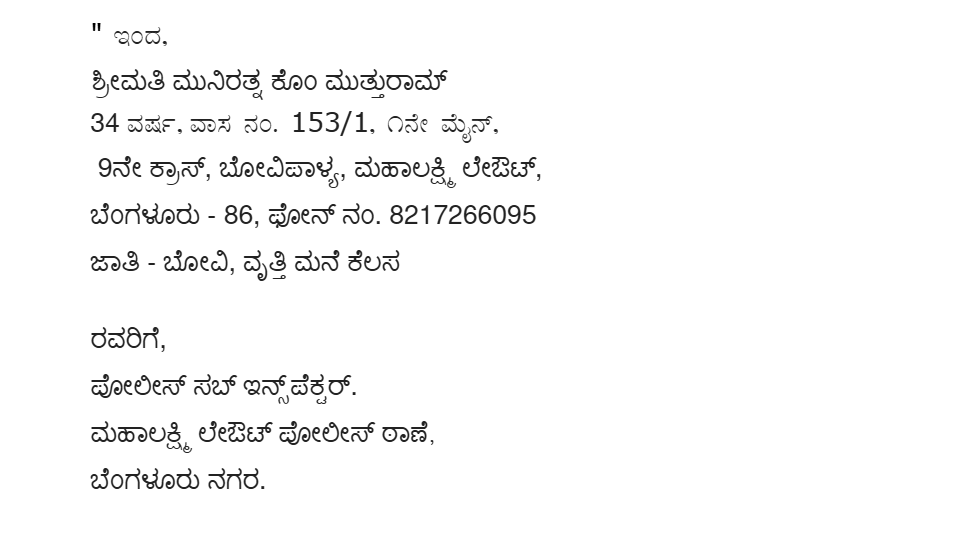
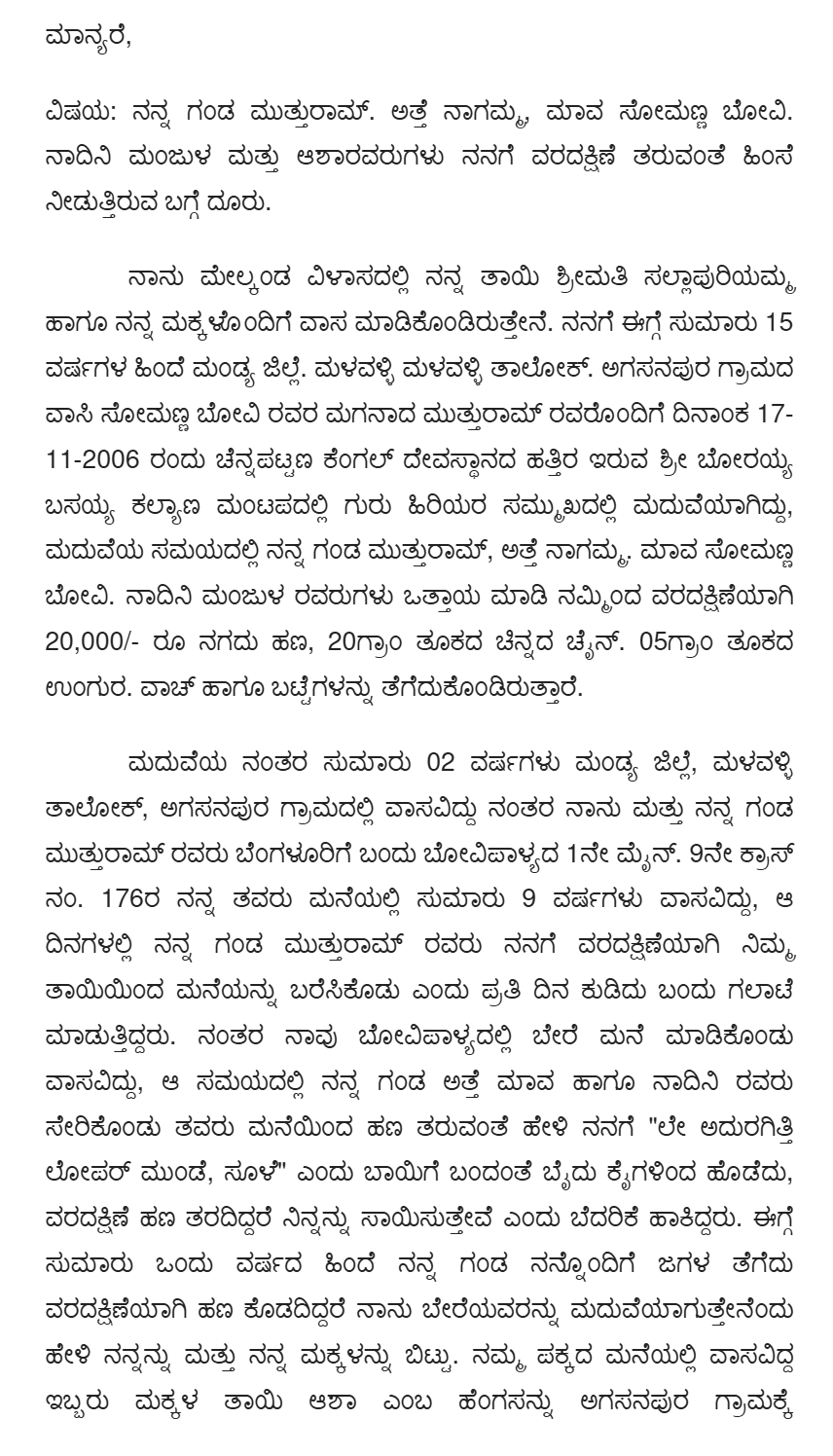
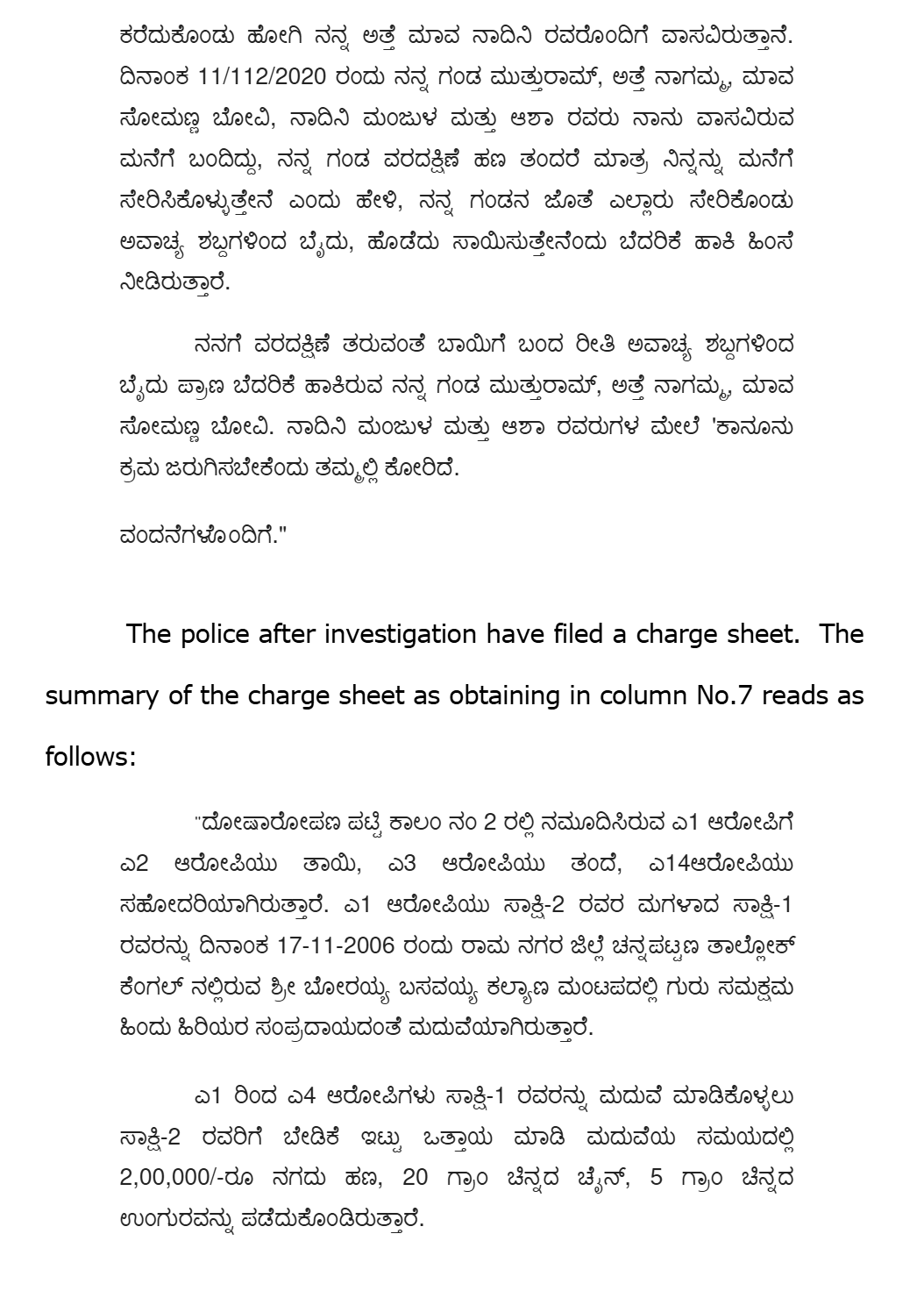
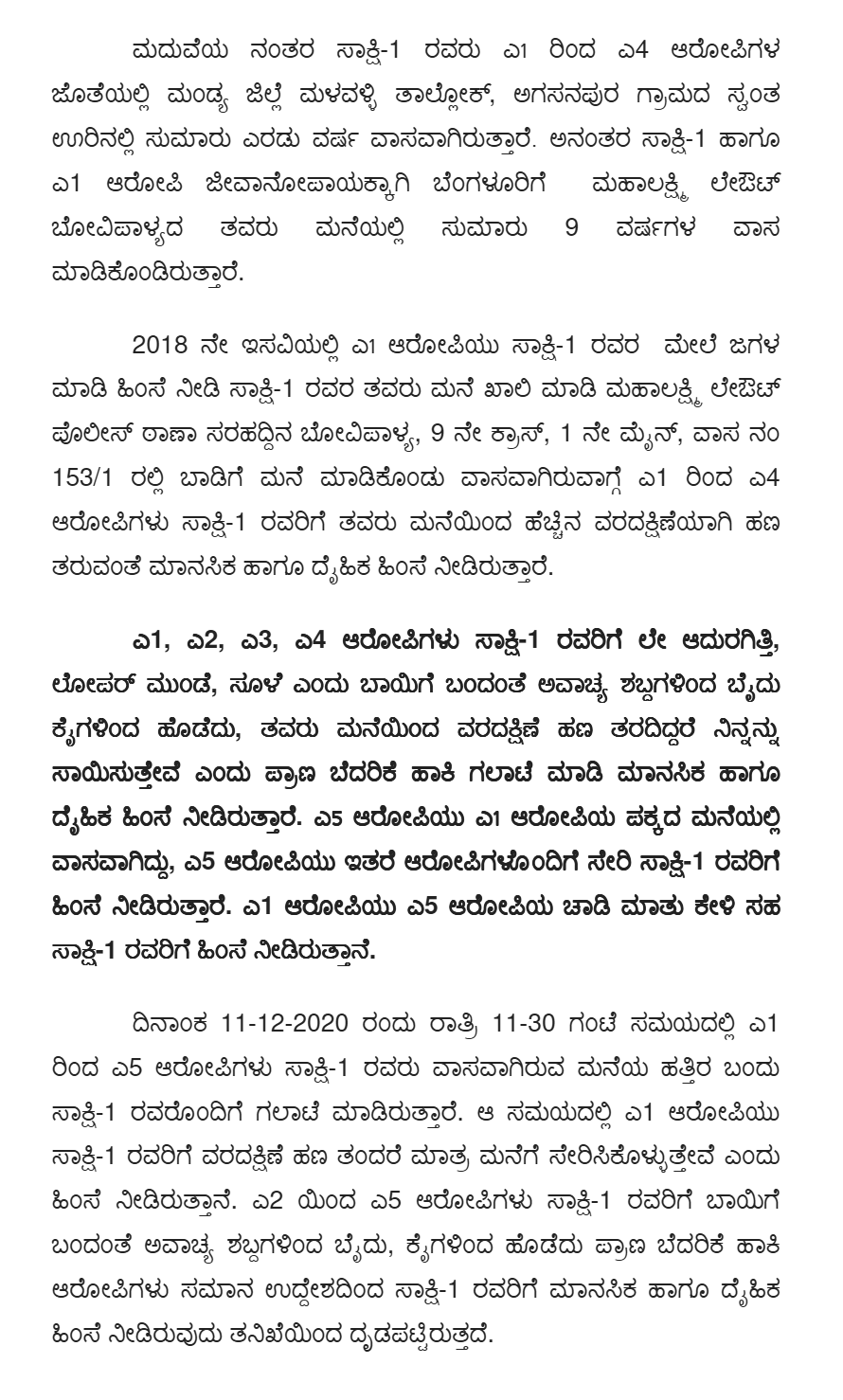
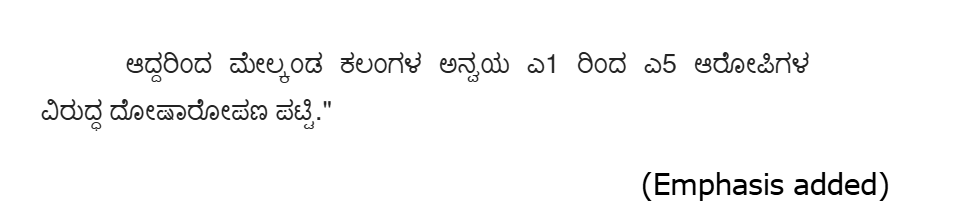
The name of this petitioner is nowhere found except contending that she has instigated the husband to torture the wife otherwise the petitioner would not fit into the definition of family as is obtaining under the provision i.e., under Section 498A of the IPC .
9. It becomes apposite to refer to the judgment of the Apex Court in the case ofRAMESH KANNOJIYA & ANR. v. STATE OF UTTRAKHAND & ANR. ,
"The appellants have been implicated in a case arising out of a complaint under Sections 498A , 323, 504, 506 of the Indian Penal Code (hereinafter called “the IPC ”) and the provisions of the Dowry Prohibition Act , 1961.The appellants are neighbours of the family of the husband (accused no.1). They also appear to have had facilitated the marriage between the complainant and the said accused. Main argument of the appellants is that they are not relatives of the husband and hence they cannot be implicated in any offence punishable under Section 498A of the . The High Court dismissed the petition of the appellants for quashing the summoning order and the operative part of the judgment reads:
“A









