


 Back


2025 Supreme(Online)(Mad) 69547
IN THE HIGH COURT OF JUDICATURE AT MADRAS
R.N.MANJULA, J
Krishnan, S/o.Gangarai Gounder – Appellant
Versus
Prakasam (Deceased) S/o.Senga Gounder – Respondent
Second Appeal | S.A.No.630/2011
For the Appellants/Petitioners: Mr.P.Valliappan, Senior Counsel for Mr.G.R.M.Palaniappan
For RR4 to 9: Mr. V.Nicholas
A possessor's settled rights cannot be disturbed by third parties without due process even if the government retains title over the property.
Headnote:(A) Specific Relief Act, 1963 - Sections 41(j) and 6 - Appeal for permanent injunction - Plaintiff/appellant sought injunction against defendants over government land claimed as puramboke - Trial Court granted injunction but First Appellate Court reversed decision; Plaintiff maintained that settled possession established through earlier judgments - The First Appellate Court erred in denying relief without valid entitlement to oppose the subsequent grant of permission to defendants by authorities. (Paras 19, 21)
(B) Possession and Title - Presumption of settled possession - Court noted that possession does not require ownership to claim protection against third parties - The concept of settled possession entitles innocent possessors to legal protection by the courts. (Paras 20, 21)
Facts of the case:
The appellant claimed permanent injunction against defendants who were allegedly interfering with his enjoyment of government land. The trial ruled in favor of the appellant, while the First Appellate Court reversed this ruling. A significant point was that the appellant's settled possession was acknowledged in prior judgments, yet contested based on governmental permissions.
Findings of Court:
The appellate court found the government had granted permission to the defendants, which created ambiguity regarding the plaintiff’s enjoyment rights - However, it recognized the historical established possession of the plaintiff prior to governmental action.
Issues: The Court addressed whether the lower appellate court was correct in dismissing the plaintiff's claims based on the non-suit decision against previous judgments affirming the plaintiff's possession and whether the injunction should have been granted despite the government’s concessions.
Ratio Decidendi: The court emphasized that without appropriate legal remedies by the true owner (government), the third-party defendants could not disrupt the plaintiff's established possession. (Paras 21)
Result: Second Appeal allowed, overturning First Appellate Court’s ruling and restoring the Trial Court’s decree.
| Table of Content |
|---|
| 1. plaintiff's established possession leads to a request for injunction. (Para 1 , 2 , 3) |
| 2. court addressed historical context and ongoing governmental permissions affecting possession rights. (Para 6 , 7 , 11 , 12) |
| 3. third parties cannot disrupt an established possessor's rights without legal intervention from the owner. (Para 19 , 21) |
JUDGMENT
The plaintiff is the appellant who has filed the suit seeking for the relief of permanent injunction. The District Munsif Court at Harur had decreed the suit by order dated 26.02.2010 in O.S.No.130 of 2005. On an appeal preferred by the defendants, the Sub Court at Harur allowed the appeal by judgment and decree dated 21.04.2011 in A.S.No.21 of 2010, reversing the judgment of the Trial Court. Aggrieved over that, the plaintiff/appellant has filed the present Second Appeal.
2. The short facts pleaded in the plaint are as follows:
The suit properties are punja lands belonging to the Government. The plaintiff and his ancestors were in enjoyment of the same, along with their own properties, for more than 50 years. The defendants are brothers. They purchased the lands on the southern side of the suit property two years prior to the cause of action for the suit. As the plaintiff also intended to purchase the same lands and because of the motive between the parties, the defendants started to interfere with the plaintiff’s enjoyment over the suit property. They attempted to lay pipelines through the plaintiff’s lands to take water to their newly purchased lands. The same was prevented by the plaintiff. But again, the defendants, with their henchmen, declared that they would grab the suit property from the plaintiff. Hence, the plaintiff has filed the suit, praying for the relief of permanent injunction.
3.The averments made in the written statement filed by the defendants are in brief:
The suit property is a Government Poromboke land. The suit property is a road available to reach a lake from Veerappan Nayakkanpatti to Kappukadu, that has been used by the defendant's and other land owners as road. Even in the Revenue Records, the above property has been shown as public road. The defendants have their properties on the eastern side of the lake in Survey No. 103/2B1, and they have a well and an electric motor on the same land. On the fy;Yf;fl;L western side, there is a at the plaintiff’s property, situated beyond the same. Neither the plaintiff nor their ancestors have been in enjoyment of the suit property. As the suit property is a Government poramboke public road, the Tahsildar of Harur Taluk had allowed the defendants to take water to their land by laying a 3 inch P.V.C pipeline at a depth of 3 ½ feet from the ground level. As the plaintiff has no right over the suit property, the suit should be dismissed.
4. On the basis of the above pleadings, the Trial Court has framed the following issues:
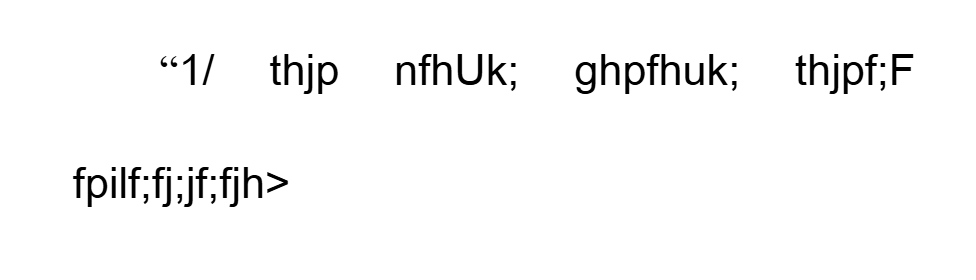
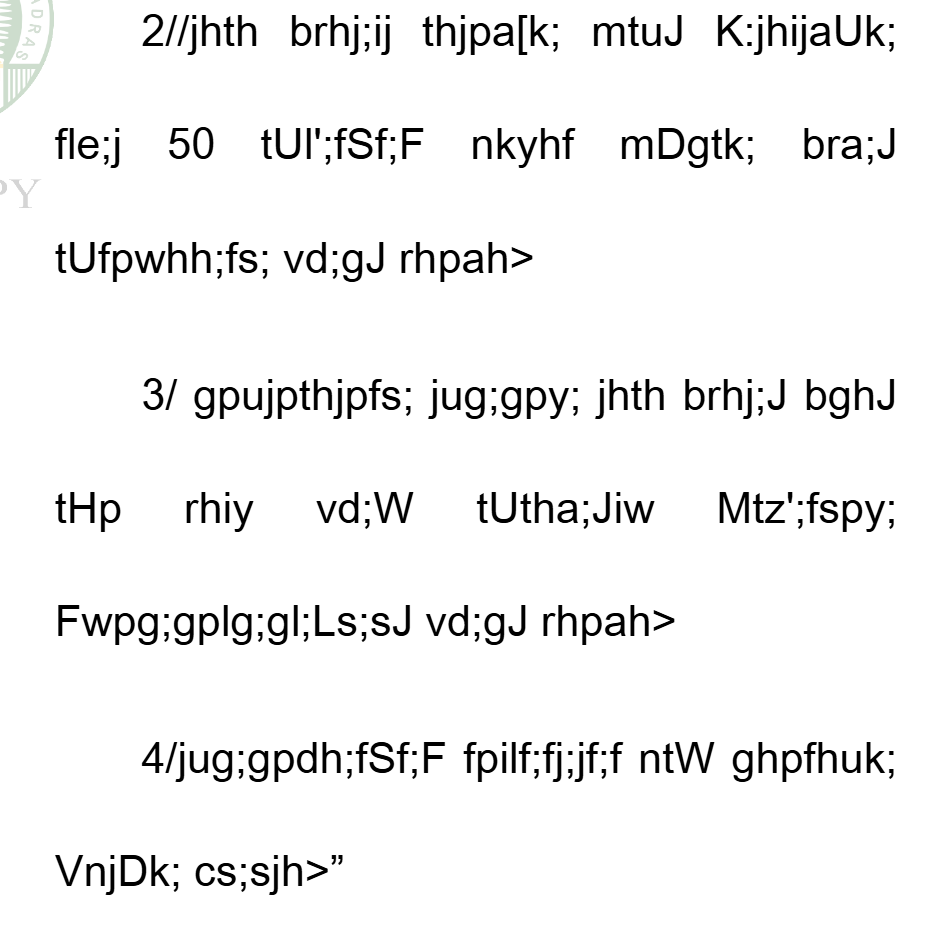
5. During the course of the trial, on the side of the plaintiff, two witnesses were examined as PW1 and PW2, and Exs.A1 to A14 were marked. On the side of the defendants, four witnesses were examined as DW1 to DW4, and nine documents were marked as Exhibits D1 to D9. The witness-side documents were marked as Exs.X1 to X5. A court witness was also examined as C.W.1 and three documents were marked as Exs.C1 to C3. At the conclusion of the trial, and after considering the evidences available on record, the learned Trial Judge decreed the suit. On an appeal preferred by the defendants before the Sub Court, Harur, the First Appellate Court allowed the appeal by setting aside the judgment of the Trial Court.
6.Aggrieved over that, the present Second Appeal has been filed by the plaintiff. The Second Appeal has been admitted on the following substantial questions of law on 02.06.2011:
“(i) When Exs.A13 and A14 decree and judgment in the earlier proceedings, clearly prove the right of the appellant over the suit property, whether the lower appellate court is correct in law in non-suiting the appellant? A







