
 Back
Back





NATIONAL GREEN TRIBUNAL KOLKATA (EASTERN ZONE BENCH)
B. Amit Sthalekar, Judicial Member, Vijay Kulkarni, Expert Member
Suo Motu – Appellant
Versus
Central Pollution Control Board – Respondent
Original Application No.202/2024/EZ|O.A. No.1064/2024/PB
| Table of Content |
|---|
| 1. suo motu registration based on news report (Para 1 , 2 , 3 , 4) |
| 2. procedural updates and pleadings complete (Para 5 , 6) |
| 3. ospcb microplastic sampling and analysis findings (Para 7 , 8 , 9 , 10 , 11 , 12) |
| 4. ospcb status report on enforcement measures (Para 13 , 14 , 15 , 16 , 17 , 18 , 19 , 20) |
| 5. wbpcb and digha measures against plastic waste (Para 21 , 22 , 23 , 24 , 25) |
| 6. cpcb action plan and recycling guidelines (Para 26 , 27 , 28 , 29 , 30 , 31) |
| 7. court acknowledges steps but stresses enforcement (Para 32 , 33) |
| 8. directions for strict zero-tolerance enforcement (Para 34 , 35 , 36) |
-
ORDER
1. The Original Application was registered suo-motu by the New Delhi Bench of the National Green Tribunal on the basis of a news item titled “Microplastic is West Bengal’s Digha and Odisha’s Puri seawater at alarming levels” appearing in the Times of India dated 04.08.2024.
2. The matter relates to the alarming levels of microplastics found in the coastal waters and sediments of Digha in West Bengal and Puri in Odisha, two of Eastern India’s popular beach destinations. As per the article, a recent study by the Centre’s Science & Engineering Research Board has raised serious concerns about the impact of microplastics on marine life and the health of millions of visitors.
3. The news item highlights that the research found an average of 5.3 microplastic items per litre of water on the Digha beach and 6.4 microplastic items per litre on the Puri beach. It states that the sediments revealed even more troubling data, with Digha recording 173.4 items per kg and Puri reaching 190.4 items per kg. It alleges that these numbers suggest that plastic pollution is a growing crisis in these coastal regions, potentially affecting the future of these tourist spots.
-
4. Furthermore, the news item emphasizes that the presence of microplastics poses a grave threat to the delicate marine ecosystem, with potential consequences for the countless creatures that call these waters home. It also compromises tourists’ safety and health as microplastics can enter the food chain.
5. The news item further explains that microplastics are tiny plastic particles less than 5mm in size, originating from stuff like polythene bags, bottles, microbeads in personal care products, cigarette filter tips, synthetic fabrics, vehicle tyres, industrial waste, fishing gear and paints. The study identified polyethylene, a common plastic used in bags and packaging, as the most prevalent type of microplastic. It poses significant risk to marine life because of its abundance and persistence in the environment. Moreover, it is highlighted that marine creatures often mistake microplastics for food, which can cause physical harm, blockages and exposure to toxic chemicals. Fish, sea turtles and seabirds are particularly vulnerable. Microplastics can also carry harmful chemicals absorbed from surrounding water. Tourists and locals in Digha and Puri may also ingest microplastics while having their favourite seafood, leading to potential health issues. Microplastics affect fish reproduction, reducing fish populations and impacting consumers and fishermen. Additionally, uncontrolled tourism development from Haldia to Puri and direct release of industrial effluents into rivers contribute to this problem.
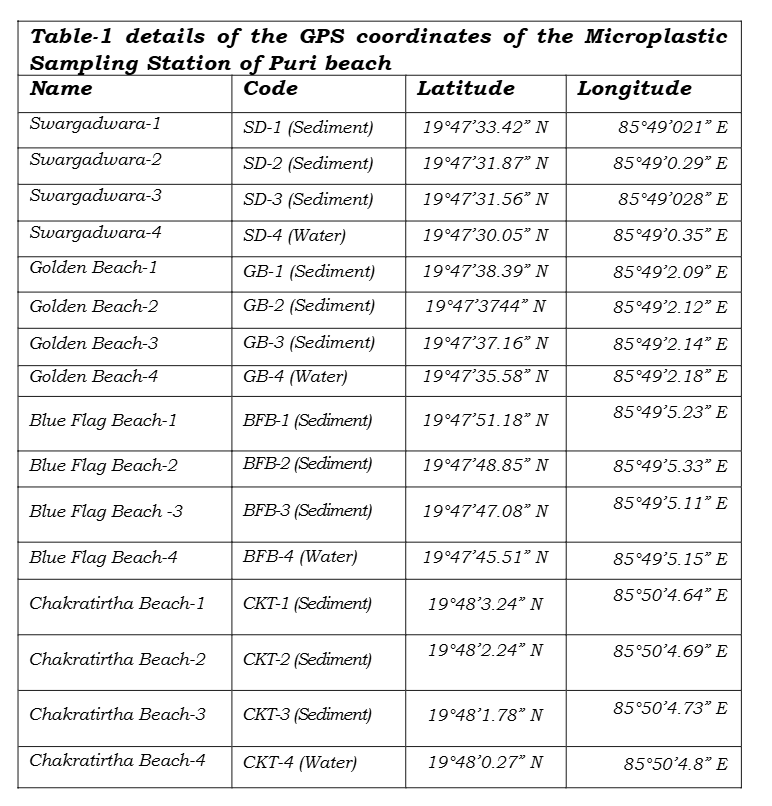
6. The Odisha State Pollution Control Board, Respondent No.3 has filed affidavit dated 06.12.2024 and it is stated that the State Pollution Control Board operates a Coastal Management Cell under the Integrated Coastal Zone Management Programme (‘ICZMP’ for short). It is stated that the ICZMP conducted inspection on 06.11.2024 during which samples of microplastic contamination in seawater and beach sediment of Puri Sea Beach have been collected and analysed in the Central Laboratory of the Board. It is also stated that the focus of the analysis is,
(1) Quantitative analysis of microplastics in seawater and sediment samples;
-
(2) Characterization of microplastic types.
7. Along with this af




An indispensable Tool for Legal Professionals, Endorsed by Various High Court and Judicial Officers
Please visit our Training & Support
Center or Contact Us for assistance

Scan Me!
India’s Legal research and Law Firm App, Download now!


For Daily Legal Updates, Join us on :



 Back to top


