Back





2025 Supreme(Online)(NGT) 2101
NATIONAL GREEN TRIBUNAL BHOPAL (CENTRAL ZONE BENCH)
HON’BLE MR. JUSTICE SHEO KUMAR SINGH, J, HON’BLE MR. ISHWAR SINGH, EM
Kirtikumar Sadashiv Bhatt – Appellant
Versus
Narmada Water Resource & Ors. – Respondent
Original Application No. 71/2023(CZ)|Earlier O.A. No.97/2021-WZ
For the Appellants/Petitioners: None
For the Respondents: Mr. Yadvendra Yadav, Adv. for CPCB, Mr. Om Shankar Shrivastava, Adv. for MoEF&CC, Mr. Prashant M. Harne, Adv. for State, Ms. Parul Bhadoria, Adv. with Mr. Pranjan Pandey, Adv. for MPPCB, Mr. Rohit Sharma, adv. for R-21
The judgment establishes that untreated sewage discharge into rivers violates fundamental rights, emphasizing the necessity of sewage treatment plants to ensure public health and environmental integrity.
Headnote:(A) Environmental Protection Act, 1986; Water (Prevention and Control of Pollution) Act, 1974; National Green Tribunal Act, 2010 - Issue of pollution in river Narmada due to untreated sewage and waste discharge - Encroachment and illegal constructions along riverbanks causing environmental degradation - The court emphasizes the need for sustainable development alongside regulatory adherence for environmental protection - Legal action to be taken against violators, including a directive for completion of sewage treatment plants (STPs) to safeguard public health and ecology - Urgent measures required to prevent further pollution and encroachments, mandate for monitoring and reporting by State Pollution Control Board (SPCB) and local bodies. (Paras 1-37)
(B) Sustainable Development - Balance between development needs and environmental protection emphasized; legal obligation to maintain clean waterways recognized as a fundamental right under Article 21 of the Constitution. (Paras 3, 4, 35)
(C) Prohibition of untimely discharge of untreated effluent into rivers mandated, reinforcing the principle of polluter pays. (Paras 6, 7, 36)
(D) Encroachments along the riverbanks must be identified and removed in alignment with environmental laws; floodplain zoning to be regulated strictly. (Paras 27, 31, 36)
| Table of Content |
|---|
| 1. importance of narmada and shipra rivers. (Para 1 , 2) |
| 2. concerns of water pollution and its effects. (Para 3 , 4) |
| 3. previous legal considerations and orders. (Para 5 , 6 , 6 , 8) |
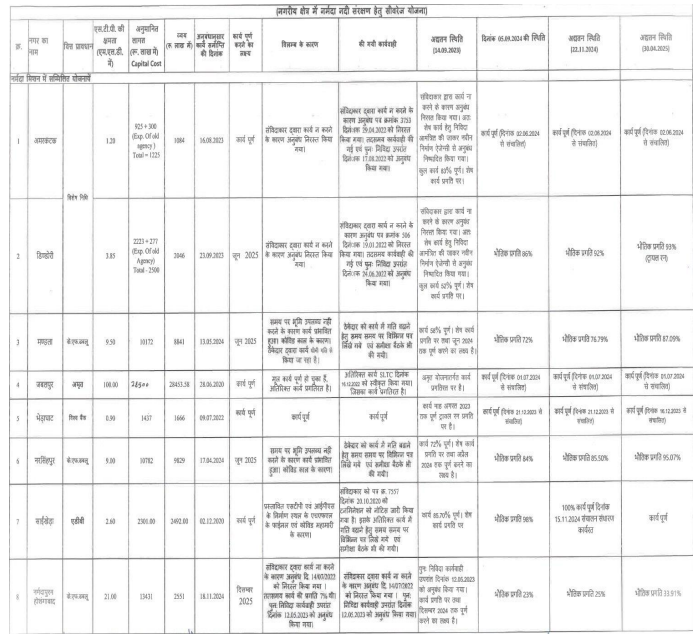
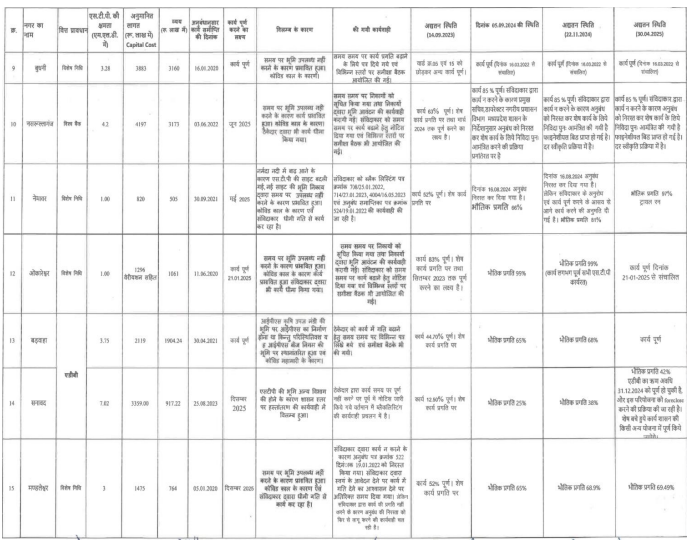
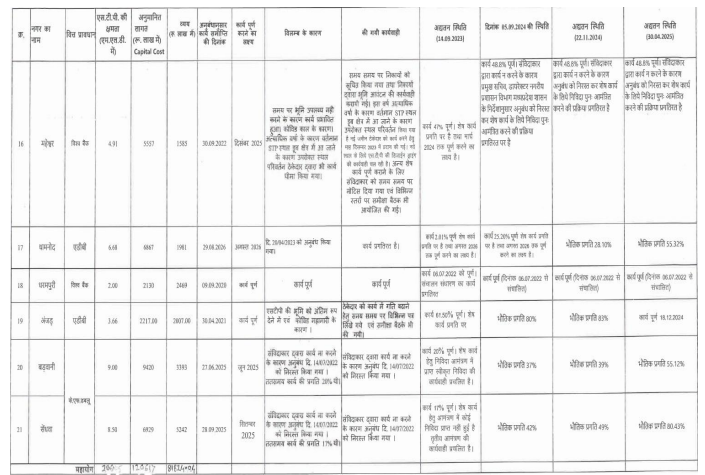
| 4. state of sewage management along narmada. (Para 9 , 9 , 9 , 10 , 10 , 11 , 12) |
| 5. regulatory obligations of state pollution control. (Para 13 , 14) |
| 6. measures to counter pollution discharge. (Para 15 , 16 , 20) |
| 7. government scrutiny and pressure on local authorities. (Para 26 , 27 , 28) |
| 8. final judgment and summary of directives. (Para 36) |
| 9. closure of the original application. (Para 37) |
ORDER
1. Heard counsel for the parties and perused the records.
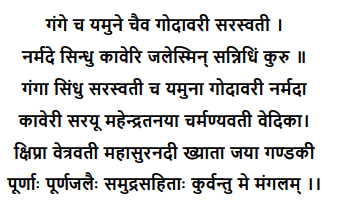
2. River Narmadra and Shipra flowing from the State of Madhya Pradesh are known to be one of the most pious river in India, and life line for the fulfilment of the need of the water for survival of the human being and wildlife and all creatures in addition of use of the water for agricultural purposes. The importance of the rivers has been shown both in physical world and spiritual world in the above lines.
3. Issue raised in this application are encroachment, illegal construction, temporary or in permanent shape, raising the residential construction discharge of untreated water sewage water throwing the solid waste in the river Narmada and Shipra. Water pollution is a relatively new phenomenon, and one can safely utter that it is solely the result of industrial waste and sewage waste which is thrown into the rivers and oceans. However, there is significant contribution of our poor sewerage system to it. It has stuffed up marine life. Admittedly, it doesn’t affect us in the short run but it does affect in the long run. We have seen societies suffering from water diseases because they have consumed filthy water. It cannot be disputed that no development is possible without some adverse effect on the ecology and environment, and the projects of public utility cannot be abandoned and it is necessary to adjust the interest of the people as well as the necessity to maintain the environment. A balance has to be struck between the two interests. Where the commercial venture or enterprise would bring in results which are far more useful for the people, difficulty of a small number of people has to be bypassed. The comparative hardships have to be balanced and the convenience and benefit to a larger section of the people has to get primacy over comparatively lesser hardship. This indicates that while applying the concept of “sustainable development” one has to keep in mind the “principle of proportionality” based on the concept of balance. It is an exercise in which we have to balance the priorities of development on one hand and environmental protection on the other hand.
4. Freedom of profession, trade and business as guaranteed under the Constitution of India is to be read with Article 21 of the Constitution of India which provides that no one shall be deprived of life and liberty except according to the procedure established by the law. Right of fresh air and unpolluted air and unpolluted water is also part of the life and any activity by anyone polluting the air and water directly or indirectly endangering the health of human being is violation of life is in violation of provision as contained in the Constitution of India. If the right to fresh air and water is not enforced, this will be contrary to the mandate of the Constitution and the environmental laws. It is tragic that the Rivers, which has since time immemorial purified the people is being polluted by man to such extent that these river now become rivulet and become dry after the month of December. The pollution of the rivers are badly affecting the life health, ecology and millions of Pilgrim. That the colour and quality of water have deteriorated and the colour has become black and Brown, which clearly suggests that the quality of the water has deteriorated due to unabated pollution of River Water. The main reason of river Pollution w