Back
Back





2025 Supreme(Online)(KAR) 25
IN THE HIGH COURT OF KARNATAKA AT BENGALURU
M. NAGAPRASANNA, J
SRI B.S.YEDDYURAPPA – Appellant
Versus
THE CRIMINAL INVESTIGATING DEPARTMENT (CID) – Respondent
WRIT PETITION No.15522 OF 2024 (GM - RES) | WRIT PETITION No.18538 OF 2024 (GM – RES)
For the Appellants/Petitioners: SRI C.V.NAGESH, SRI SANDEEP PATIL, SMT. SWAMINI GANESH MOHANAMBAL
For the Respondents: PROF. RAVIVARMA KUMAR, SRI ASHOK N.NAIK, SRI S.BALAKRISHAN
The court emphasized that a magistrate must demonstrate application of mind and sufficient grounds in issuing a cognizance order, particularly for serious allegations like sexual assault, failing which such orders are unsustainable.
Headnote:(A) Constitution of India - Articles 226 and 227 - Criminal Procedure Code - Section 482 - Protection of Children from Sexual Offences Act, 2012 - Section 8 - Indian Penal Code - Sections 354A, 204, 214 r/w Section 37 - Writ petitions challenging taking cognizance of offences against petitioner based on allegations of sexual assault against a minor, seeking quashment of proceedings. (Paras 1-4, 20, 21)
(B) Cognizance - The Court highlighted the necessity for the issuing Magistrate to apply its mind to the facts and law before taking cognizance. The order must reflect sufficient grounds for proceeding further, especially in cases concerning serious allegations. (Paras 11-20)
(C) Application of mind - It was determined that the cognizance order failed to exhibit proper application of mind as required by law, hence deemed unsustainable. (Paras 17-21)
Facts of the case:
The petitioner, a former Chief Minister, faces allegations of sexual assault made by a mother regarding her minor daughter during a meeting to discuss a cheating case. The complaint leads to criminal proceedings under the POCSO Act and IPC. Proceedings were challenged on grounds of alleged non-application of mind in taking cognizance of the charges.
Findings of Court:
The Court partly allowed the writ petitions, obliterating the cognizance order while keeping the investigation and final report intact, directing the lower court to properly assess materials before proceeding.
Issues: Whether the order taking cognizance reflected the necessary application of mind and the sufficient grounds for proceeding against the accused.
Ratio Decidendi: The court ruled that the order of cognizance must demonstrably apply judicial mind to the material on record, and without such application, it becomes susceptible to being quashed.
Result: Writ petitions allowed in part, cognizance order quashed.
| Table of Content |
|---|
| 1. facts surrounding the complaint against the petitioner. (Para 1 , 2 , 3) |
| 2. petitioner’s background and initial procedural actions. (Para 4) |
| 3. arguments made by the petitioner’s counsel regarding the prosecution's case. (Para 5) |
| 4. arguments presented by the prosecution in response. (Para 6) |
| 5. court’s analysis of the arguments and evidence presented. (Para 7 , 9 , 11) |
| 6. details of the incident as narrated by the victim. (Para 8 , 10 , 12) |
| 7. summary of legal precedents on taking cognizance. (Para 14 , 15) |
| 8. ultimately allowed writ petition based on improper cognizance. (Para 21 , 26) |
CAV ORDER
WRIT PETITION NO. 15522 OF 2024
CAV ORDER
WRIT PETITION NO. 15522 OF 2024
The petitioner is before this Court calling in question proceedings in Special C.C.No.1283 of 2024 pending before the Fast Track Special Court-I, Bengaluru arising out of Crime No.84 of 2024, re-registered as Crime No.9 of 2024 for offences punishable under Sections 354A , 204, 214 r/w 37 of the IPC and Section 8 of the PROTECTION OF CHILDREN FROM SEXUAL OFFENCES ACT, 2012 (‘POCSO Act’ for short) and the consequent action of issuance of summons.
2. The facts, adumbrated, are as follows:-
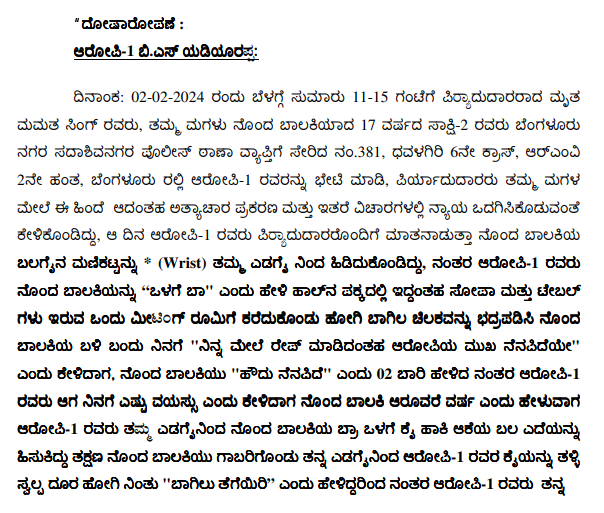
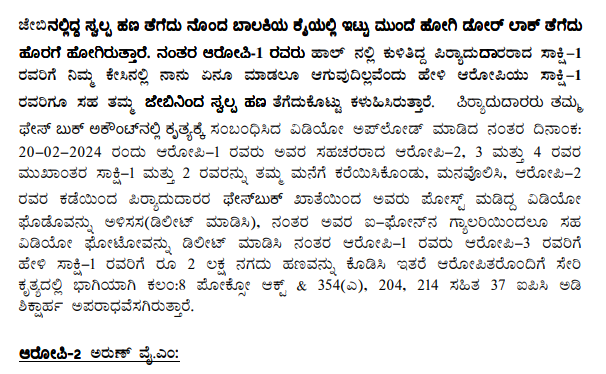
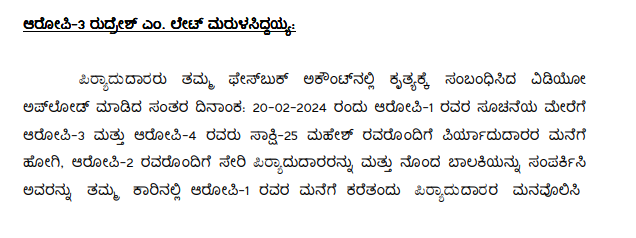
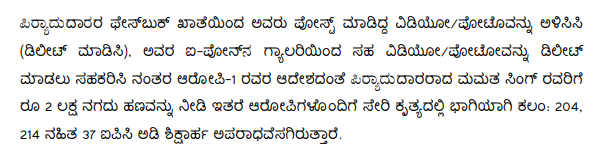
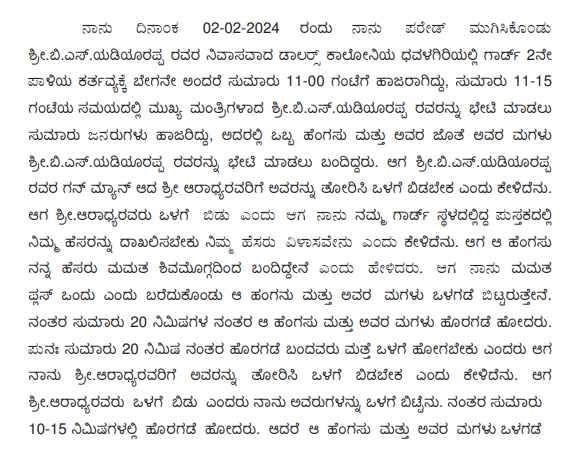
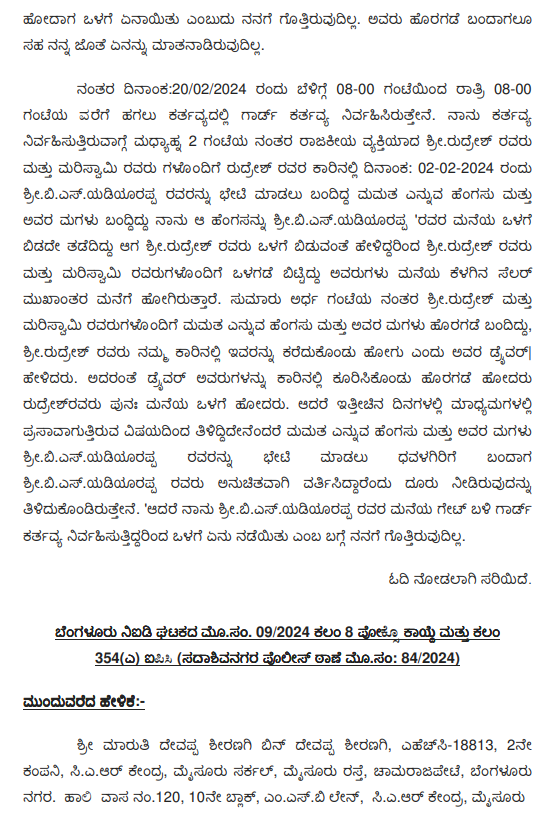
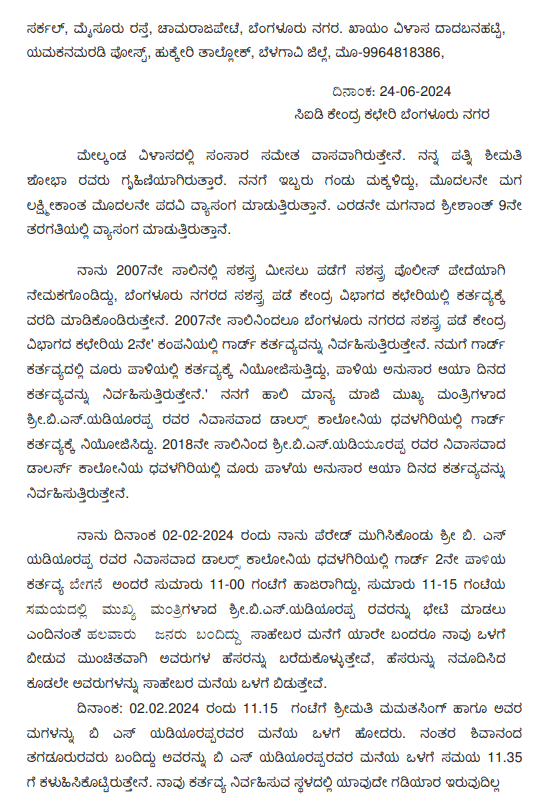
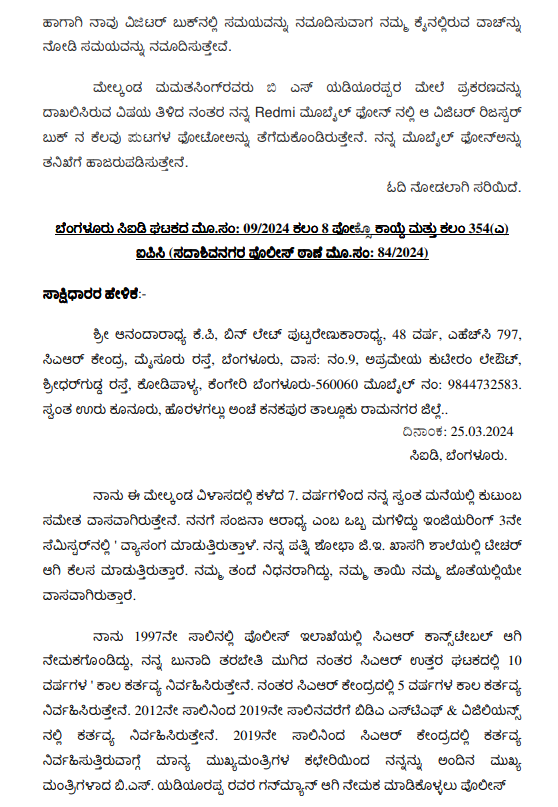
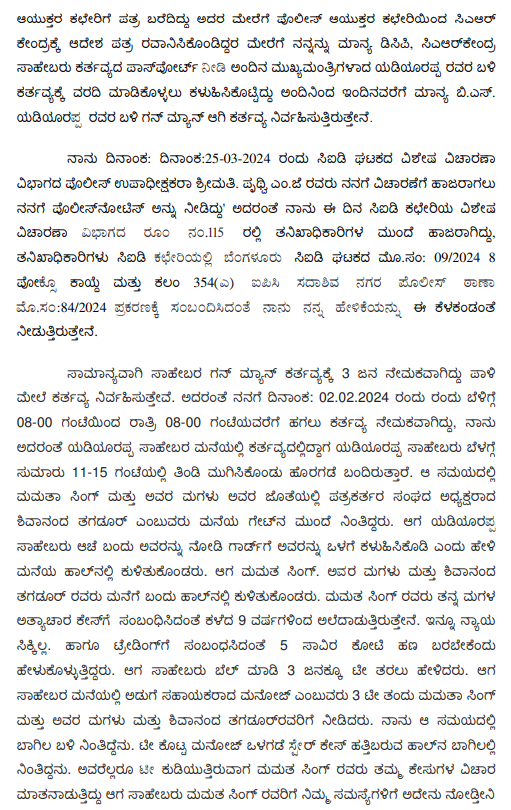
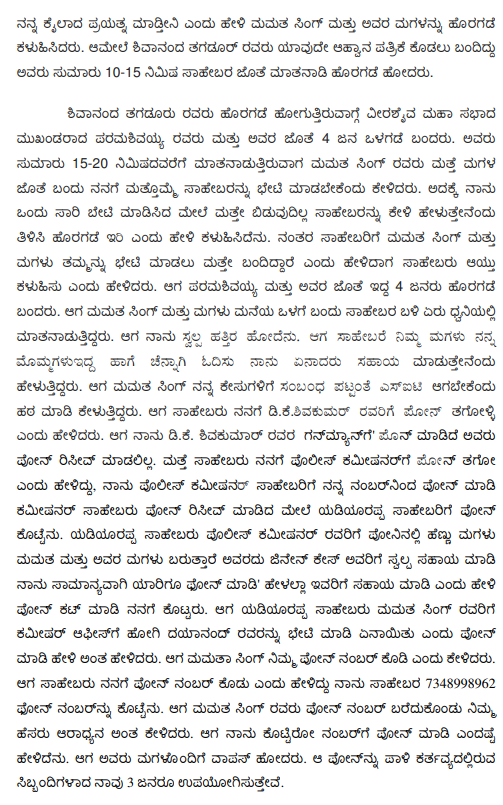
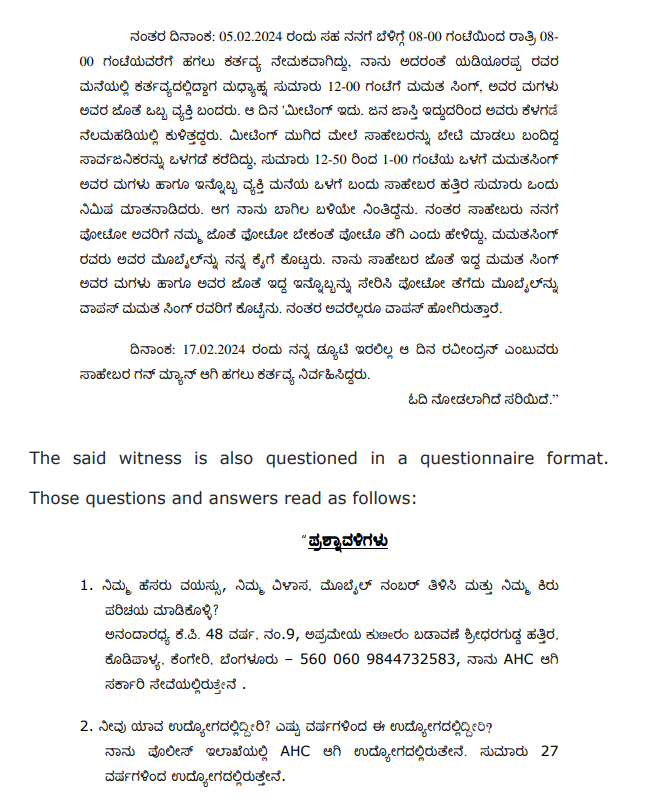
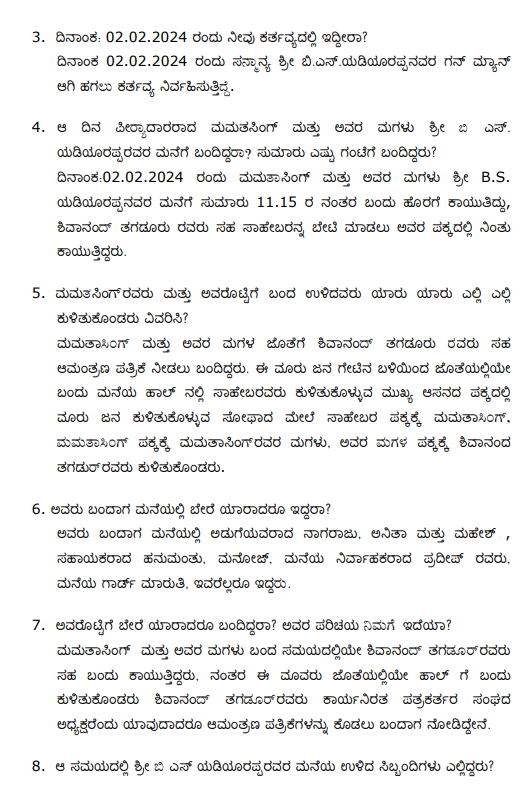
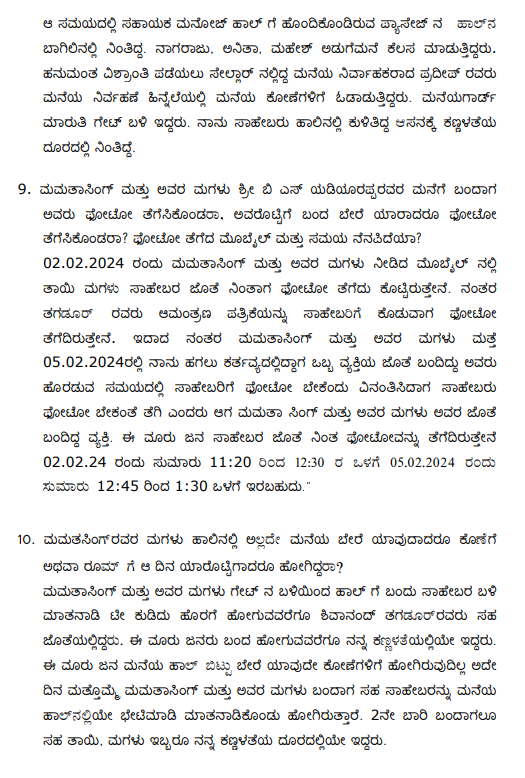
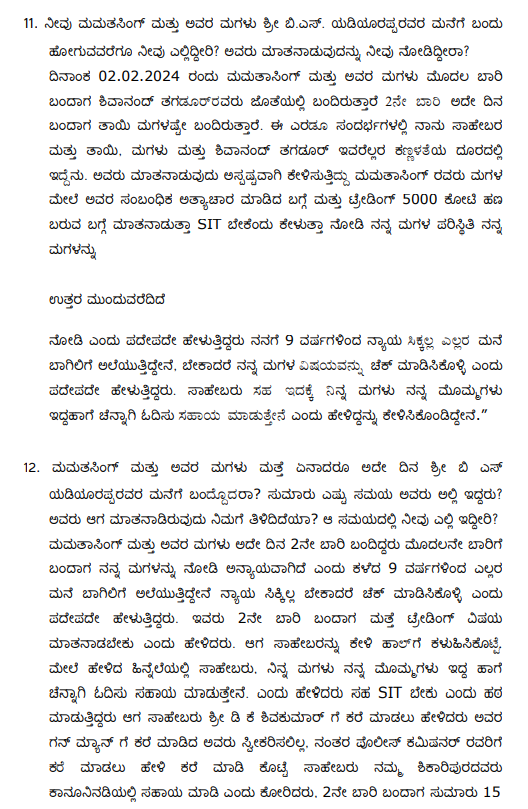
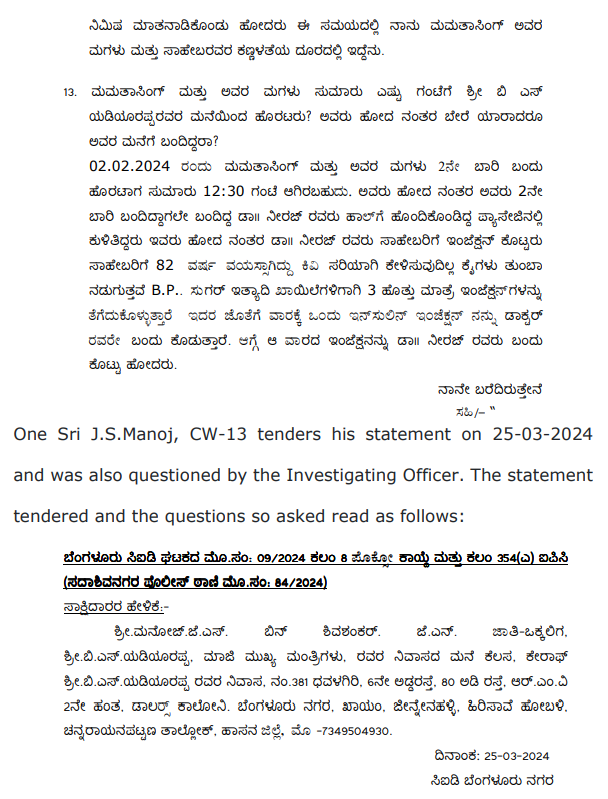
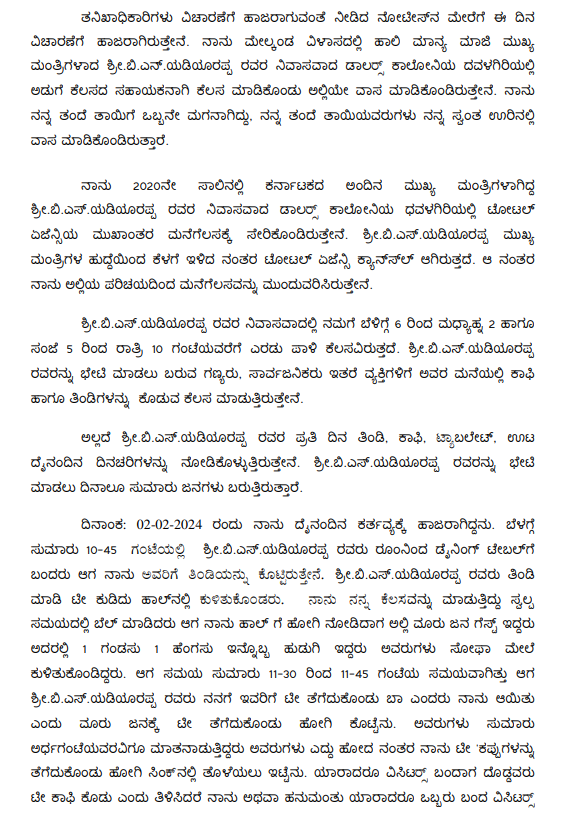
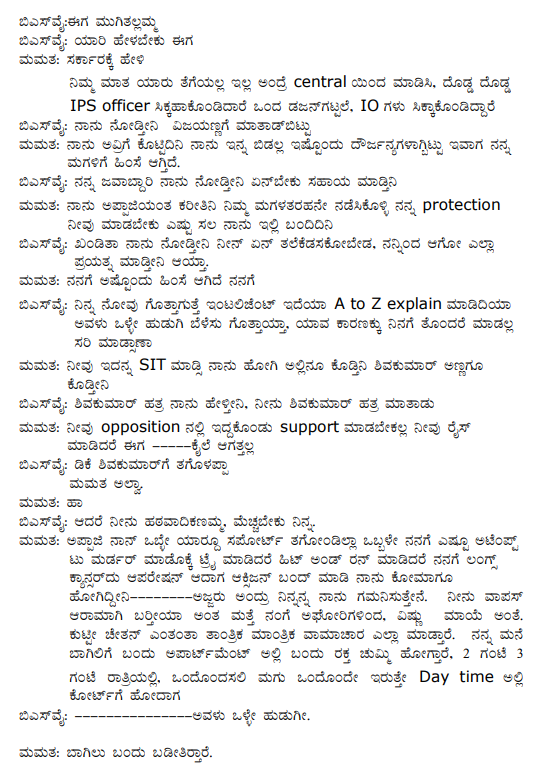
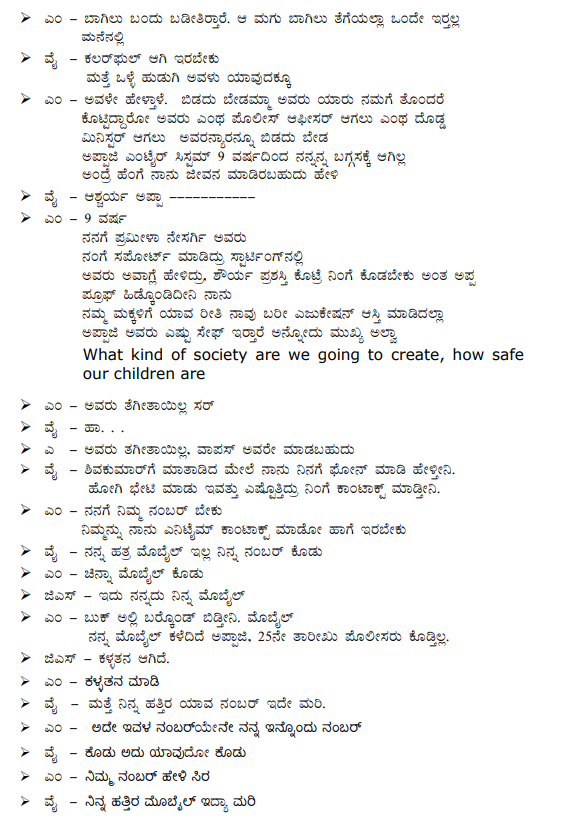
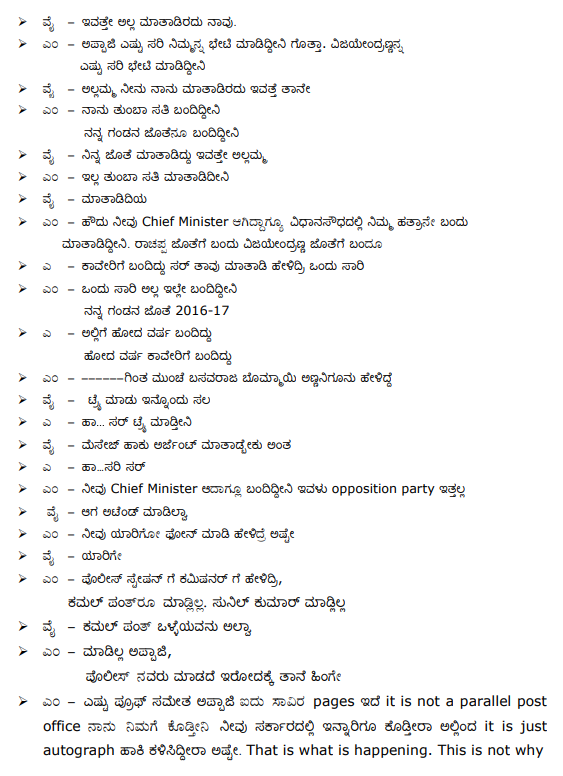
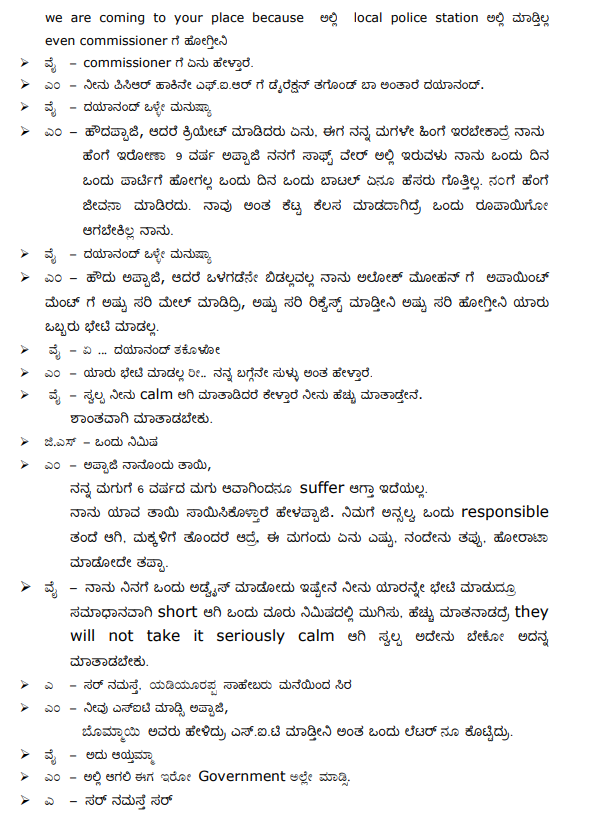
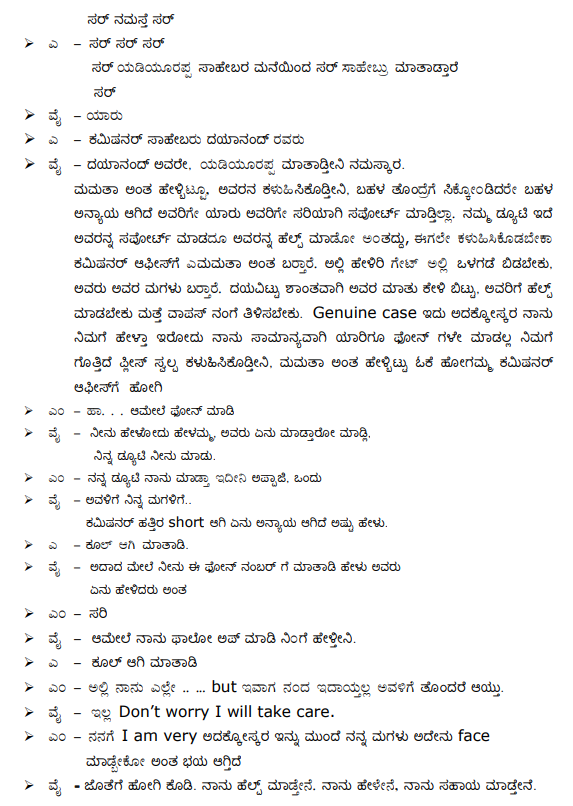
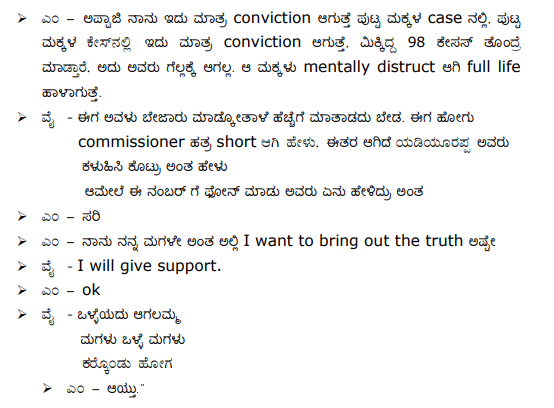
The petitioner, an octogenarian, and former Chief Minister of the State of Karnataka, avers to be the most decorated politician, having been in politics for the last 54 years. It is the case of the prosecution that a complaint comes to be registered on 14-03-2024 alleging that the complainant along with her daughter who was a minor, visits the petitioner to seek help in respect of a cheating case relating to the trading business and her investments. It is alleged that the complainant spoke for about 9 minutes with regard to the manner in which she was cheated during the said period. At that point in time, both the mother and the daughter drink tea and leave the house after the said conversation. In the interregnum, it is said that the complainant insisted the petitioner to get the complainant’s case investigated by constituting a Special Investigating Team on the ground that she was cheated of several crores. It is then, the complainant alleges that the daughter complained to her that she was sexually assaulted by the petitioner taking her inside the room. This is the complaint so registered on 14-03-2024. The complaint then becomes a crime in Crime No.84 of 2024 initially for offences punishable under Section 8 of the POCSO Act and Section 354A of the IPC. Thereafter, the investigation is transferred to the Crime Investigation Department which registers a separate crime renumbering the earlier crime to be Crime No.9 of 2024.
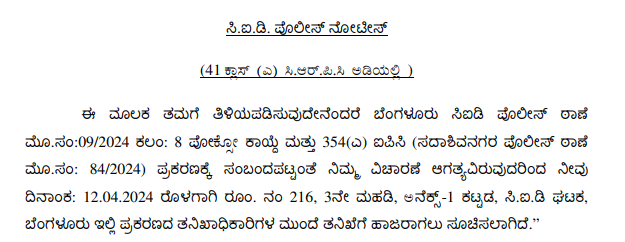
3. A notice under Section 41A of the Cr.P.C. is issued upon the petitioner on 28-3-2024, asking his presence before the Investigating Officer, for questioning, in connection with the aforesaid crime. The petitioner is said to have given voice sample later. The petitioner on 10-06-2024 was again called and his statement was recorded. Another notice comes to be issued on 12-06-2024. The petitioner was to be away, from Bangalore and travel to New Delhi on account of his political commitments previously fixed. The Investigating Officer does not heed to the request for postponement of recording of statement of the petitioner, the Investigating Officer would secure a warrant of arrest at the hands of the concerned Court, which then drives the petitioner to this Court in the subject petition. This Court protects the petitioner by directing that no arrest of the petitioner should take place. During the pendency of the subject petition, the CID conducts investigation and files its final report before the concerned Court. The concerned Court registers Special C.C.No.1283 of 2024 by taking cognizance against the petitioner and others for the afore-quoted offences and issues summons to all. Issuance of summons leads the petitioner to file an application seeking amendment of the petition raising a challenge to the entire charge sheet and proceedings before th