


Sniffer Dog Evidence Admissible in Wildlife Cases?
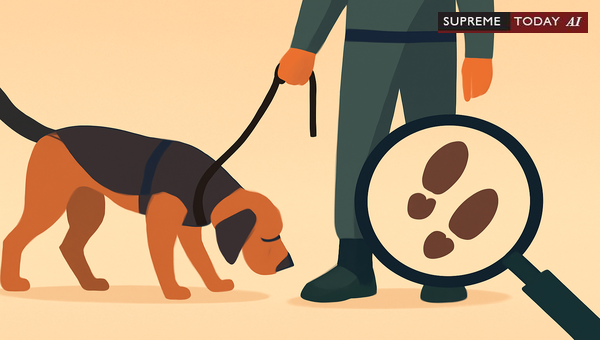
In the realm of wildlife protection, where poaching and illegal trafficking threaten endangered species, investigations often rely on advanced tools. One such tool is the sniffer dog, trained to detect wildlife contraband like ivory, skins, or live animals. But a critical question arises: ? Can a dog's alert at a crime scene seal an accused's fate in court?
Indian courts have grappled with this issue, balancing investigative utility against evidentiary reliability. This blog delves into judicial precedents, highlighting why sniffer dog evidence is typically viewed with caution, especially in wildlife cases under laws like the . Note: This is general information, not legal advice. Consult a qualified lawyer for case-specific guidance.
The Role of Sniffer Dogs in Wildlife Investigations
Sniffer dogs are invaluable in wildlife enforcement. They can detect hidden trophies, trace poachers' trails, or identify suspects through scent. However, their courtroom role is contentious. The has repeatedly emphasized that while dogs aid investigations, their evidence rarely proves .
As noted in key rulings, We are of the view that criminal courts need not bother much about the evidence based on sniffer dogs due to the adumbrated above, although we cannot disapprove the investigating agency employing such sniffer dogs for helping the investigation to track down criminals. 2025 0 Supreme(Chh) 99 2025 Supreme(Online)(CHH) 4602 2017 0 Supreme(Guj) 151 2014 3 Supreme 731
This stance applies squarely to wildlife cases, where recoveries from dog alerts (e.g., via panchnama) are common but not conclusive. Courts stress with human testimony or physical proof.
Key Legal Principles on Admissibility
The Indian judiciary has outlined clear principles rendering sniffer dog evidence generally inadmissible for conviction:
1. Inherent Unreliability
Dogs and handlers are prone to errors. A dog might react to residual scents, handler bias, or environmental factors. The highlights the possibility of error by the dog or its handler, misunderstandings between them, and the lack of scientific certainty regarding canine tracking abilities. 2001 5 Supreme 38 1969 0 Supreme(SC) 228 2014 3 Supreme 731 2007 0 Supreme(MP) 967 2007 0 Supreme(MP) 969
In wildlife scenarios, where scents from animal parts linger, this frailty is amplified. Courts caution against sole reliance, as evidence of sniffer dogs cannot be taken for purpose... due to the inherent... reaction of sniffer dog.
2. Nature
A dog's actions are out-of-court statements, akin to . Dogs can't take oaths or face cross-examination. Handler testimony about the dog's behavior invites scrutiny for bias. 1969 0 Supreme(SC) 228 2008 0 Supreme(SC) 1480
3. Ethical Concerns Over Animal Sensibilities
Judges question basing human guilt on animal instincts: Dependence on animal sensibilities for the purpose of determining the guilt or innocence of a human being is apt to lead to a . 2001 5 Supreme 38 2014 3 Supreme 731
4. Investigative Tool, Not
Investigating exercises can afford to make attempts or forays with the help of canine faculties but judicial exercise can ill afford them. 2020 0 Supreme(Chh) 415 2010 0 Supreme(Bom) 1724
In wildlife cases, dog-led recoveries support raids but need backing from witnesses or forensics.
Exceptions and Judicial Nuances
While generally inadmissible standalone, sniffer dog evidence isn't wholly dismissed:
- : Its absence doesn't weaken other proof. 2001 5 Supreme 38
- Scientific Progress: Future tech validating canine reliability might shift views.
- Case-Specific Evaluation: Courts avoid blanket rules, assessing training, handler credentials, and context. A three-judge bench declined conclusive opinion on tracker dog evidence. 2025 0 Supreme(Chh) 99 (referencing )
In wildlife matters, dog evidence supplements recoveries but must align with the under . 2023 Supreme(Online)(DEL) 5621 2023 0 Supreme(Del) 3008
Admissibility Concerns: Courts view it skeptically due to , such as the possibility of errors, misunderstandings, and unreliable reactions. 2024 Supreme(Online)(Chh) 19553 2022 0 Supreme(Bom) 2002 2021 0 Supreme(Pat) 705
Practical Recommendations for Lawyers
Facing sniffer dog evidence in wildlife cases? Here's strategic advice:
- Challenge Admissibility: Object under Evidence Act provisions, citing unreliability precedents.
- Demand : Insist on independent evidence like CCTV, fingerprints, or confessions.
- Scrutinize Handler/Dog Logs: Question training records and prior success rates.
- Emphasize Alternatives: Highlight eyewitnesses, mahazar recoveries, or lab tests.
Prosecution should pair dog alerts with solid proof to avoid acquittals. 2023 0 Supreme(All) 2143
Broader Context in Wildlife Protection
Under the Wild Life (Protection) Act, offenses like poaching carry strict penalties. Sniffer dogs aid Forest Departments, but courts prioritize human-centric evidence. For instance, in cases involving tiger skins or ivory, dog identifications lead to searches, but convictions hinge on possession proof. 2023 0 Supreme(All) 2143
: Potential errors by the dog or handler, miscommunication, and the possibility of leading to false suspicion. 2024 Supreme(Online)(Chh) 19553 2022 0 Supreme(Bom) 2002
Legal Stance: Evidence from sniffer or tracker dogs should be considered with caution. () 2024 Supreme(Online)(Chh) 19553
Conclusion and Key Takeaways
Sniffer dog evidence shines in wildlife investigations but dims in court. Indian courts, led by the , deem it unreliable unfit for sole conviction. Focus on admissible proof for robust cases.
Key Takeaways:- Sniffer dogs: Great for leads, weak for proof. 2001 5 Supreme 38 2014 3 Supreme 731- Always corroborate with other evidence.- Challenge via precedents on frailties and .- Future science may evolve this, but currently, caution prevails.
This analysis draws from landmark judgments, underscoring judicial prudence. For wildlife defenders or accused, understanding this bolsters defense strategies. Stay informed—justice demands evidence beyond a wag of the tail.
(Word count: 1028. General insights; seek professional advice.)
#SnifferDogEvidence, #WildlifeLawIndia, #IndianJudiciary












