


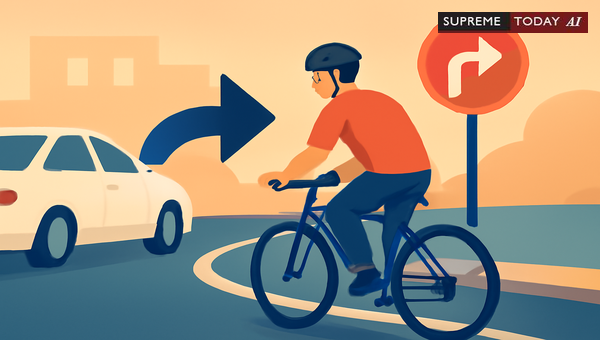
Bike Right Turn Rules: Essential Legal Guidelines
Navigating busy roads on a bike—whether bicycle or motorcycle—requires strict adherence to traffic protocols, especially when making turns. One common maneuver that often leads to confusion and accidents is turning right on a bike. But what are the specific rules and guidelines? In this post, we explore the legal framework, drawing from traffic regulations, principles, and real-world case insights to help you ride safely and understand potential liabilities.
Understanding the Core Question: Bike Turning to Right Rules and Guidelines
The question of Bike Turning to Right Rules and Guidelines is crucial for cyclists and motorists alike. While legal documents may not always spell out bike-specific right-turn rules explicitly, general traffic laws under the and related principles apply universally. These emphasize signaling, yielding, and reasonable care to prevent collisions. 1997 0 Supreme(Ker) 324
Failing to follow these can result in accidents, with courts scrutinizing actions for . Let's break down the key rules, legal principles, and practical advice.
General Traffic Rules for Right Turns on Bikes
When approaching a right turn, bikes must follow standard vehicle protocols:
- Signal Your Intention: Always use hand signals or indicators (for motorized bikes) well in advance. This alerts other road users to your maneuver.
- Check for Clear Path: Ensure no oncoming traffic, pedestrians, or vehicles are in your turning path. Yield to those with the .
- Maintain Lane Position: Position yourself correctly in the lane before turning, avoiding sudden swerves.
These align with broader road safety mandates. For instance, the stresses compliance with traffic rules, including safety gear, which supports safer turns. 1997 0 Supreme(Ker) 324
In practice, courts reinforce that drivers (including bike riders) must act with by observing all traffic rules.
This was evident in a case near Thirukovilur turning, where rash bike driving contributed to an incident with a bus.
Legal Principles: and Liability in Right-Turn Accidents
Accidents during right turns often hinge on . Courts assess if the turning party exercised reasonable care:
- Signaling and Observation: Did the bike rider signal appropriately and check blind spots? Failure here can establish .
- Yielding Obligations: Bikes must yield to pedestrians and vehicles already in the intersection.
is a key factor. If the cyclist ignores rules—like not wearing a helmet or speeding—it may reduce compensation claims. 2008 0 Supreme(Ker) 473 In one ruling, both parties' failures led to a 50:50 liability split in a motorcycle-car collision involving a turn without signaling.
The court noted, Both parties contributed to the accident, resulting in a 50:50 under the standard.
Another case highlighted injuries from a similar mishap: Right eye lower lid laceration wound... Abrasion wound over the right cheek.
Liability was apportioned equally due to mutual , reducing damages.
In a cyclist right-turn scenario, the court observed the deceased had almost completed the turn when struck, underscoring the need for full clearance before proceeding. 1975 0 Supreme(SC) 261
Insights from and Related Guidelines
The provides foundational rules. and (issued by the Union Government) touch on vehicle compliance, safety, and driver responsibilities, indirectly applying to turns. 2023 0 Supreme(SC) 724 State notifications may prohibit certain uses, like non-transport bikes in aggregation, emphasizing licensed, rule-compliant operation. 2023 0 Supreme(SC) 724
Road safety guidelines urge awareness of traffic and parking rules, noting shortcomings that lead to violations and deaths. 2012 0 Supreme(Guj) 266 Compliance is vital: It is inevitable that people, especially car/bike owners need to comply with the traffic rules. 2012 0 Supreme(Guj) 266
In cases, like one where she saw the bike turning round and stopping, prosecution must prove by . 2020 0 Supreme(Ker) 1024 Courts acquitted when evidence faltered, stressing proof beyond doubt. 2020 0 Supreme(Ker) 1024
Real-World Case Studies: Lessons from the Courts
- Cyclist Turn Collision: A bike nearly completing a right turn was hit, highlighting signaling's role. 1975 0 Supreme(SC) 261
- Bus-Bike Near Turning: Rash bike conduct near a turn absolved the bus driver.
- Overtake-Turn Clash: Defendant turned left without signaling; plaintiff overtook unsafely—50:50 blame.
- Sudden Brake Incident: Pillion death not proven as rider's fault during a maneuver. 2020 0 Supreme(Ker) 1024
These illustrate courts' focus on evidence like witness statements, forensics, and compliance.
Practical Recommendations for Safe Right Turns
To minimize risks:
- For Cyclists: Signal 3 seconds early, glance over shoulder, yield pedestrians. Wear helmets—mandatory under . 1997 0 Supreme(Ker) 324
- For Motorists: Anticipate bike turns, maintain distance.
- Post-Accident Steps: Collect evidence—witnesses, cameras—to prove circumstances. 2023 0 Supreme(SC) 724
Road authorities promote awareness, but personal vigilance is key. 2012 0 Supreme(Guj) 266
Conclusion and Key Takeaways
While no document dictates bike right turns verbatim, principles of signaling, yielding, and govern. Adhering prevents accidents and strengthens legal positions. Key takeaways:
- Always signal and yield during right turns.
- assessments consider care exercised.
- Contributory fault may apportion liability 50:50.
Disclaimer: This is general information based on legal principles and cases; it is not specific legal advice. Consult a traffic law expert for your situation.
Stay safe on the roads—signal clearly, turn wisely!
#BikeSafety #TrafficRules #RoadAccidents















