


Is Calling a Woman 'Veshya' an Offense Under IPC Section 294(b)?
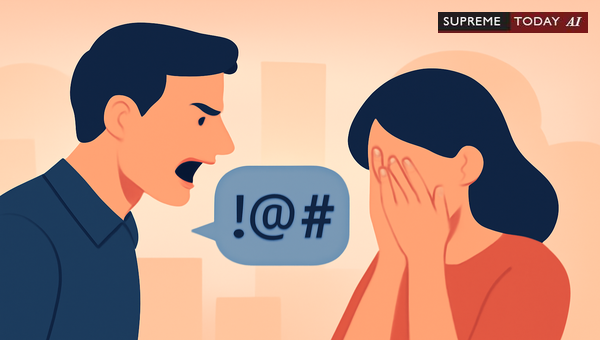
In today's socially connected world, a heated argument or casual remark can quickly escalate into a legal nightmare. Imagine uttering derogatory words like nee veshya ahnu nee mattu anungalude koode kidakkunnaval alle—a Malayalam phrase roughly translating to you are a prostitute who sleeps with other men—in a public place. Does this constitute an offense under (IPC)?
This question arises frequently in cases involving verbal abuse, especially against women. While is protected, it has limits when it crosses into obscenity or . In this post, we break down the legal implications, drawing from relevant case laws and principles. Note: This is general information, not legal advice. Consult a lawyer for specific cases.
Understanding Section 294(b) IPC
Section 294(b) IPC penalizes the use of in or near a public place to the annoyance of others. The punishment can include up to three months' imprisonment, a fine, or both.
are those that tend to deprave or corrupt persons listening to them. Courts interpret this based on context, community standards, and impact. Calling a woman nee veshya—a highly derogatory term implying prostitution—is typically seen as obscene due to its demeaning and sexual nature. When said publicly, it may annoy others and fulfill the section's criteria.
Legal Analysis: Does the Phrase Qualify as Obscene?
The phrase in question is not just insulting; it's explicitly vulgar and aimed at shaming. Under Section 294(b), key elements include:- Public place or near it: The offense requires utterance in a location accessible to the public, like streets, markets, or audible to bystanders. Private conversations generally don't qualify. As noted in one case, To constitute an offense under Section 294(b) IPC, the petitioner should have abused the 3rd respondent in or near any public place and caused annoyance to the 3rd respondent. There is absolutely no material to substantiate the offense under Section 294(b) of IPC. There is nothing to show that the incident took place in a public place. 2021 0 Supreme(Mad) 2998- Obscenity: Courts assess if words deprave morals. Derogatory slurs like this often meet the threshold.- Annoyance to others: Not just the target, but matters.
In the provided analysis, such language may constitute an offense under Section 294(b) if used publicly, as it tends to corrupt listeners. 1973 0 Supreme(Ori) 148
Insights from Case Law on Section 294(b) IPC
Indian courts have examined similar scenarios:
Quashing of Charges: In a case before the , charges under were partially quashed. The court held, Charge against the petitioners, in so far as it relates to the offence under , is quashed. This highlights that insufficient evidence of public utterance can lead to dismissal. 2007 0 Supreme(AP) 1160
Upholding Proceedings: Verbal abuse via telephone against a police officer was deemed sufficient for Section 294(b). The court stated, The question whether the above act would constitute the offence under Section 294(b) IPC, is a matter to be decided by the learned Magistrate at the appropriate time when the plea of the accused is sought to be recorded. Proceedings continued, affirming evidence. 2025 0 Supreme(Ker) 1277 2025 Supreme(Online)(KER) 10764
Lack of Public Element: Another ruling emphasized, under Section 294(b) and 506(i) IPC. ... To constitute an offense under Section 294(b) IPC, the petitioner must substantiate the offense under section 294(b) of IPC. Without public context, no offense.
These cases show courts scrutinize location, intent, and evidence. Public use of slurs like veshya often survives initial scrutiny.
Connection to : Intentional Insult
Even if Section 294(b) doesn't apply, related offenses may. covers intentional insult with . The referenced case clarifies: The court held that an offense under is established when the accused intentionally insults someone with abusive words, intending to provoke a breach of peace. 1973 0 Supreme(Ori) 148
Abusive language like the phrase here could trigger both sections:- 294(b) for obscenity in public.- 504 for provocation.
Principles overlap: Words must be intentional, abusive, and disruptive.
Exceptions and Defenses
Not every utterance leads to conviction. Common defenses include:- Private setting: No . 2021 0 Supreme(Mad) 2998- Lack of intent: Joking or non-malicious context (though hard to prove).- Community standards: What's obscene varies; courts consider listeners' reaction.- Insufficient evidence: As in quashed cases. 2007 0 Supreme(AP) 1160
The phrase's impact on women amplifies risks, potentially invoking () or if applicable.
Possible Consequences and Penalties
If convicted under Section 294(b):- Imprisonment up to 3 months.- Fine.- Criminal record affecting employment/travel.
Combined charges (e.g., with 504 or 506) increase severity. Courts often grant bail but proceed to trial if case exists. 2025 0 Supreme(Ker) 1277
Recommendations to Avoid Legal Trouble
- Think before speaking: Avoid slurs, especially publicly or against women.
- Context matters: Private disputes stay private.
- If accused: Gather evidence of non-public nature or lack of obscenity.
- Seek legal help: File for quashing under if weak case.
Key Takeaways
- Calling a woman nee veshya ahnu nee mattu anungalude koode kidakkunnaval alle may constitute an offense under Section 294(b) IPC if in public, due to its obscene nature. 1973 0 Supreme(Ori) 148
- Courts focus on public place, annoyance, and obscenity—evident from cases like 2007 0 Supreme(AP) 1160 and 2021 0 Supreme(Mad) 2998.
- Related sections like 504 add layers of liability.
- Always consult a lawyer; outcomes depend on facts.
Stay informed, speak responsibly. For more on IPC offenses, subscribe to our blog.
Disclaimer: This article provides general insights based on public legal documents. It is not a substitute for professional legal advice. Laws evolve, and cases are fact-specific.
#IPC294B #ObsceneLanguageIPC #LegalIndia















