


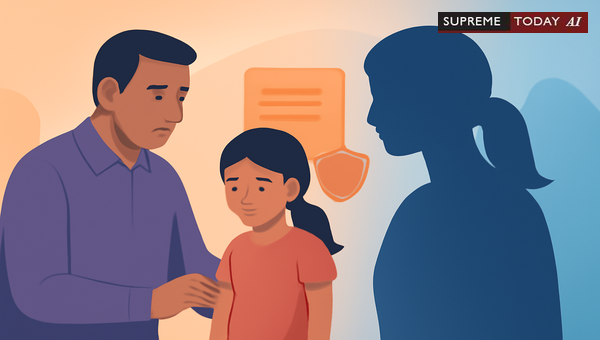
Can an Ill Father Get Custody of a 13-Year-Old Girl in India?
In the emotionally charged world of child custody disputes, parents often face tough questions about who can best care for their children. Imagine a scenario where a father, battling several serious diseases, seeks custody of his 13-year-old daughter. Can a 13-year-old girl be given custody to her father who is having several diseases? This question raises critical issues under Indian family law, where the child's welfare reigns supreme.
This blog post delves into the legal principles, judicial precedents, and factors courts consider. While this provides general insights based on established laws and cases, it is not legal advice. Consult a qualified lawyer for your specific situation.
Core Legal Principles Governing Child Custody in India
Indian courts decide custody under statutes like the (HMGA), , and . The is the , overriding parental rights. 2021 0 Supreme(P&H) 544
- Age and Gender Preferences: For girls under 5 years, custody typically favors the mother due to nurturing needs. Beyond age 5, especially for adolescents like 13-year-olds, the child's maturity, wishes, and overall best interests take precedence. 2021 0 Supreme(P&H) 348 2021 0 Supreme(P&H) 544
- Mother's Preference for Young Children: Judicial trends favor mothers for young girls, emphasizing maternal care during formative years. However, this weakens for older children. 2021 0 Supreme(P&H) 544
As noted in precedents, the custody of a minor who has not completed the age of five years shall ordinarily be with the mother. 2022 0 Supreme(P&H) 1491
Custody Considerations for a 13-Year-Old Girl
At 13, a girl is often deemed mature enough to express her preferences, which courts weigh heavily. In Rajat Agarwal v. Sonal Agarwal, custody was granted to the mother for a 13-year-old girl, highlighting the child's development needs and her own wishes. 2021 0 Supreme(P&H) 544
Another case allowed a 14-year-old girl to choose her residence, recognizing her assertion of majority and her own wishes. 2018 0 Supreme(Del) 3172
Key factors include:- Emotional and Psychological Development: Courts assess which parent provides stability.- Child's Expressed Wishes: A 13-year-old's mature preference can sway decisions.- Parental Capability: Both parents' fitness is scrutinized.
Impact of Father's Health Issues on Custody
A father's diseases do not automatically bar custody, but courts evaluate if they impair caregiving. Serious health conditions may render a parent unfit if they compromise the child's well-being. 2021 0 Supreme(P&H) 348 2021 0 Supreme(UK) 47
In one ruling, despite the father's multiple diseases, custody went to the mother as she was better suited for the child's development. 2021 0 Supreme(P&H) 348
Related cases reinforce this:- Courts prioritize welfare over strict parental claims. For instance, in a , custody returned to the mother unless proven incapacitated, citing the acknowledged superiority of the mother's love and affection. 2022 0 Supreme(P&H) 1491- Health assessments under the , ensure parents can care adequately. 2022 0 Supreme(P&H) 1491
If diseases limit daily care—like supervision during adolescence—courts may favor the healthier parent or guardian. However, medical evidence showing the father can manage (e.g., with support) strengthens his case.
Role of the Child's Wishes and Maturity
For teens, autonomy matters. A 13-year-old girl's preference, if reasoned, influences outcomes. Courts interview children privately to gauge true desires, avoiding parental pressure.
Examples:- A 9-year-old girl preferred her mother due to discomfort with the father; custody stayed with the mother, noting the bond between child and mother is finest. 2023 0 Supreme(Kar) 209- In another, an 8-year-old's anxiety around the father factored against him. 2023 0 Supreme(Kar) 209
The is the paramount consideration in cases of . 2020 0 Supreme(Kar) 689
Judicial Precedents and Broader Insights
Courts balance multiple elements:1. Fitness and Conduct: Beyond health, behavior matters. A father allowing inappropriate situations (e.g., a stranger sharing a bed with the child) lost custody claims. 2023 0 Supreme(Kar) 2092. Temporary vs. Permanent Custody: focus on status quo; final decisions delve deeper. For a 5-year-old, courts deferred to family courts. 2020 0 Supreme(Kar) 6893. : Under , fathers gain rights for boys over 7 or girls post-puberty, but welfare overrides. 2002 0 Supreme(AP) 991
In Malaysian-influenced contexts (relevant for comparative law), custody prioritizes welfare, with access rights for non-custodial parents.
REE vs VAN
Disturbing cases highlight risks: A 13-year-old alleging abuse by her father underscores vigilance in custody evaluations. 2016 0 Supreme(Gau) 779
Recent rulings affirm mothers for young girls but consider specifics. For a 2-year-old, nurturing needs favored the mother. 2015 0 Supreme(Mad) 3496
Exceptions and Practical Recommendations
- Unfit Parent: Severe diseases or misconduct can deny custody. 2021 0 Supreme(P&H) 348
- Joint or Visitation Rights: Even if denied custody, the non-custodial parent gets access, like weekends. 2015 0 Supreme(Mad) 3496 2020 0 Supreme(Kar) 689
- Evidence is Key: Submit medical reports, child psychologist evaluations, and welfare proofs.
Recommendations:- File in under relevant acts.- Seek counseling to document child's wishes.- Present holistic evidence of stability.
Key Takeaways
- Possible but Conditional: A 13-year-old girl can be given to her ill father if he proves fitness and aligns with her welfare and wishes.
- Welfare Paramount: Health issues are significant but not decisive alone.
- Child's Voice Matters: At 13, her mature preference weighs heavily.
Custody battles are fact-specific. Prioritize the child's best interests, and always seek professional legal guidance. For more on family law, stay tuned to our blog.
This post draws from public judgments and is for informational purposes only.
#ChildCustodyIndia, #FamilyLaw, #CustodyRights















