


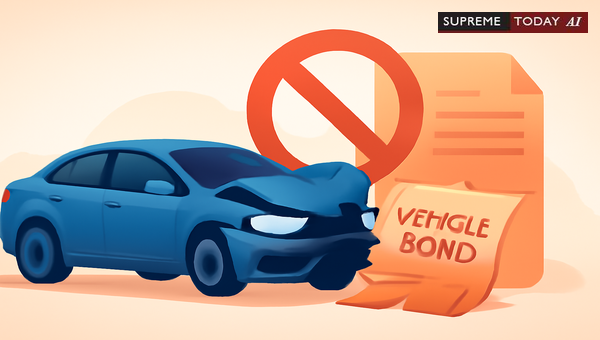
Vehicle Destroyed After Release: Legal Remedies
Imagine this scenario: A vehicle involved in a motor accident or legal proceedings is released to its owner on a or . Then, unexpectedly, the vehicle is destroyed—perhaps by fire, accident, or deliberate act. What happens next? The owner might think ends, but victims or claimants often have protected rights to compensation. This is a common query in Indian courts: vehicle released on , destroyed the vehicle what is remedy?
In this post, we break down the legal framework, focusing on requirements under the Motor Vehicles Rules, real court precedents, and practical steps for remedies. While this provides general insights based on key judgments, consult a legal professional for case-specific advice.
Understanding Vehicle Release on or
Vehicles seized in accidents, criminal cases, or claims under the are often released on via a (). This allows the owner to retain possession pending proceedings, subject to conditions like producing the vehicle when required. However, bonds come with strings attached.
Courts typically require a with sureties, but as we'll see, not all bonds suffice. For instance, in one case, the vehicle was released on executing a of Rs.5,00,000/- and to produce the same as and when required. The vehicle later caught fire and the entire front portion was damaged. 2014 0 Supreme(Del) 2080 This highlights real-world risks of destruction post-release.
Another example notes: During the pendency of these proceedings, the vehicle in question was released on the applicants’ got destroyed.
Such incidents raise questions about ongoing and remedies.
The Core Issue: Insufficient Security and Rule 391A
The primary legal finding revolves around . A alone is not considered adequate security. Instead, means one from which compensation can easily be recovered, that too without any further litigation. 2023 0 Supreme(Ker) 282
Key points include:- Security must ensure immediate recovery of awarded amounts, like cash deposits, , or —not mere bonds. 2023 0 Supreme(Ker) 282- Destruction of the vehicle does not extinguish if adequate security exists. 2023 0 Supreme(Ker) 282- The objective is prompt victim relief, shifting focus from the vehicle to enforceable security. 2023 0 Supreme(Ker) 282
In essence, when a vehicle is released on and later destroyed, the remedy lies in executing the security, not chasing a non-existent vehicle.
Effect of Vehicle Destruction on
Destruction doesn't automatically absolve the owner or insurer. Courts emphasize that security protects claimants regardless of the vehicle's fate. For example:- If only a was furnished and the vehicle is destroyed, it may be deemed insufficient, requiring further action. 2023 0 Supreme(Ker) 282- In cases of fire or damage, courts have allowed alternatives like photographs: The Court held that the photographs of the vehicle would be sufficient to be proved in evidence and the production of the vehicle during trial is not necessary. 2014 0 Supreme(Del) 2080
Another ruling permitted sale post-destruction risk, removing conditions for buyers after photos were taken: The petitioner has already been permitted to unconditionally sell the vehicle after taking photographs. 2014 0 Supreme(Del) 2080
Under , registration can be cancelled if the vehicle is destroyed or rendered permanently incapable of use, as when the engine of the vehicle has already been detached, and it is being put to domestic use. 2024 0 Supreme(Ker) 1597 This doesn't end compensation claims but shifts enforcement.
Available Legal Remedies
Victims or claimants typically pursue these steps:1. Enforce the Security Instrument: Claim cash deposits or invoke directly for immediate recovery. 2023 0 Supreme(Ker) 2822. Realize if Adequate: If supplemented by sureties, courts may forfeit bonds, but bonds alone fall short. 2023 0 Supreme(Ker) 2823. File for Additional Security: If inadequate, seek court orders for enhanced guarantees. In NDPS cases, repeat offenses lead to furnishing the bank guarantee for the value of the vehicle. 2017 0 Supreme(Ker) 7094. Alternative Evidence: Use photos or reports if the vehicle is gone, as upheld in theft recovery cases. 2014 0 Supreme(Del) 20805. Pursue Owner/Insurer Directly: persists; destruction doesn't bar suits under provisions.
Exceptions apply:- Pure bonds without executable assets complicate recovery. 2023 0 Supreme(Ker) 282- Criminal contexts (e.g., kidnapping cases) note post-release destruction risks but prioritize . 2017 0 Supreme(Tri) 261 2022 Supreme(Online)(KER) 33386
Insights from Court Precedents
Several judgments illustrate these principles:- Apprehension of Destruction: Courts condition release on bonds fearing misuse, as in: if the said vehicle is released... it is likely to be destroyed in the manner they destroyed the vehicle used for commission of the crime. 2022 Supreme(Online)(KER) 33386- Modifications: Bonds for Rs.9,00,000/- were set aside, allowing release without stringent conditions. 2026 Supreme(Online)(Raj) 2167- Post-Destruction Permissions: Owners sought sales for depreciated vehicles, succeeding with photo evidence. 2014 0 Supreme(Del) 2080- Cancellation for Incapacity: When vehicles are beyond repair, new enquiries confirm status under Section 55. 2024 0 Supreme(Ker) 1597
These cases reinforce that remedies prioritize victim protection over vehicle possession.
Practical Recommendations
For owners/responsible parties:- Furnish cash or upfront to avoid disputes. 2023 0 Supreme(Ker) 282- Document vehicle condition with photos/videos pre-release.- Comply with no-sale/no-alteration orders. 2014 0 Supreme(Del) 2080
For victims/claimants:- Verify security type before release approval.- Move swiftly to enforce guarantees post-destruction.- Seek court intervention if bonds prove inadequate.
Courts should ensure securities are capable of immediate execution. 2023 0 Supreme(Ker) 282
Key Takeaways and Conclusion
Destruction of a -released vehicle doesn't end remedies— under Rule 391A safeguards compensation. Focus on enforceable instruments like cash or guarantees, backed by precedents allowing photos or sales. While bonds facilitate release, they rarely suffice alone.
This analysis draws from documents like 2023 0 Supreme(Ker) 282, 2014 0 Supreme(Del) 2080, 2024 0 Supreme(Ker) 1597, and others, highlighting consistent judicial trends. Generally, victims retain strong recourse, but outcomes vary by facts.
Disclaimer: This is general information based on reported cases, not legal advice. Laws evolve, and specifics matter—consult a qualified lawyer for your situation.
Stay informed, drive safely, and secure properly in legal matters.
#VehicleLaw #LegalRemedyIndia #MotorAccident












