


Can Litigants Be Unruly in Court? Legal Risks & Rules
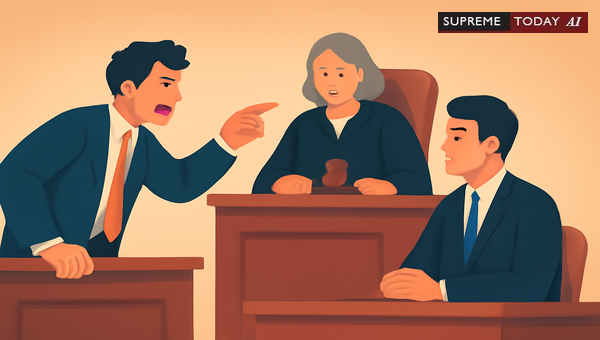
Imagine a heated courtroom moment: a frustrated litigant shouts at the judge, throws an object, or interrupts proceedings. Can a litigant behave unruly in the court? The short answer is no—courts demand strict decorum to ensure fair justice. Disruptive behavior not only undermines authority but can lead to severe consequences like contempt charges, fines, imprisonment, or suspension from proceedings.
This blog dives into legal standards for courtroom conduct, drawing from key cases and judicial principles. We'll explore expectations, punishments, and practical advice. Note: This is general information, not legal advice. Consult a qualified attorney for your situation.
Expectations of Conduct in Court
Courts universally expect litigants and advocates to maintain dignity and restraint. As established in legal precedents, advocates and litigants are created for the courts and must behave with dignity and restraint 1994 0 Supreme(SC) 994. In one case, a lawyer was admonished for raising his voice and using derogatory language against the magistrate, with the court emphasizing that lawyers are created for the courts, not the other way around 1994 0 Supreme(SC) 994.
Similarly, an advocate was found guilty of gross for shouting slogans, hurling shoes, and interrupting proceedings 1999 2 Supreme 341. These examples illustrate that unruly actions—whether verbal outbursts or physical disruptions—are intolerable.
Litigants face parallel scrutiny. For instance, a petitioner was suspended for 3 months for showing unruly behavior and unnecessary interference during proceedings 2024 Supreme(Online)(MAD) 37924. Courts have warned or penalized parties for disruptive conduct, refusal to comply with directions, or threatening behavior 2023 Supreme(Online)(All) 32688 2021 Supreme(Online)(KER) 34801. Public officers and social workers must also uphold decorum; high-handed actions toward court staff or others can result in , like 2023 Supreme(Online)(AP) 8040 2021 Supreme(Online)(KER) 34801.
and Harsh Punishments
Unruly behavior often constitutes , a serious offense eroding judicial authority. Courts hold advocates and litigants accountable, imposing criminal penalties including imprisonment and fines 1999 2 Supreme 341 1994 0 Supreme(SC) 994.
In a notable instance, an advocate's disruptive acts led to a conviction for , with the court rejecting leniency despite an apology and sentencing him to imprisonment and a fine 1999 2 Supreme 341. This reinforces that misconduct cannot be lightly excused.
Beyond advocates, litigants risk similar fates. Disruptive acts like refusing to wait, misbehaving despite warnings, or seeking transfers through unruly means invite contempt proceedings or negative orders 2023 Supreme(Online)(All) 32688. Specific cases highlight threats, abusive language, physical assaults, or obstructing proceedings as grave offenses, especially by officials during emergencies 2021 Supreme(Online)(KER) 34801
2022 Supreme(Online)(MAD) 20478.
The Role of Genuine Apologies
Courts may consider apologies, but only if sincere and unqualified. Genuine apologies may be considered, but unqualified or insincere conduct can lead to harsher penalties 1999 2 Supreme 341. In the contempt case mentioned, the advocate's apology failed to mitigate punishment due to lack of sincerity 1999 2 Supreme 341.
This principle applies broadly: prompt, heartfelt remorse might soften outcomes for minor lapses, but persistent unruliness draws stricter measures.
Frivolous Tactics and Delay by Litigants
Unruly conduct extends to dilatory strategies that hamper justice. or tactics causing undue delays may attract costs, penalties, or adverse judgments 2012 3 Supreme 460. Courts remand cases or impose sanctions to deter such behavior, noting it damages public trust and efficiency 2012 3 Supreme 460.
Examples include litigants penalized for unnecessary interference or non-compliance, underscoring that obstruction—intentional or not—undermines proceedings 2024 Supreme(Online)(Mad) 73224
.
Court's to Enforce Order
Judges wield broad authority to preserve dignity. Courts have to admonish, impose costs, or punish misconduct to uphold the integrity of judicial proceedings 1994 0 Supreme(SC) 994 2012 3 Supreme 460. This includes warnings, suspensions, fines, or contempt actions.
From suspensions for unruly petitioners 2024 Supreme(Online)(MAD) 37924 to rejections for officials' misconduct 2021 Supreme(Online)(KER) 34801, courts act decisively. Even in formal settings, disruptive behavior toward staff or during sensitive matters prompts strong responses
2023 Supreme(Online)(Del) 17310.
Exceptions and Contextual Considerations
While decorum is paramount, courts assess context, intent, and remorse. Minor, unintentional lapses with genuine apologies may receive leniency. However, egregious or repeated conduct—threats, violence, or persistent disruption—faces stringent sanctions without exception.
Key Recommendations for Litigants and Advocates
To avoid pitfalls:- Maintain civility: Always show restraint, even under stress.- Follow directions: Comply promptly with court orders.- Apologize sincerely: If you err, offer unqualified remorse immediately.- Avoid delays: Steer clear of frivolous arguments or tactics.- Seek counsel: Prepare with a lawyer to navigate emotions professionally.
Courts should continue leveraging powers to discipline, ensuring orderly justice.
Conclusion: Upholding Courtroom Dignity
In summary, litigants cannot behave unruly in court without repercussions. Legal standards prioritize decorum, with violations triggering contempt, sanctions, suspensions, or worse 1994 0 Supreme(SC) 994 1999 2 Supreme 341 2012 3 Supreme 460. As courts emphasize, unruly conduct obstructs justice and erodes trust—discipline is essential for effective administration.
Key Takeaways:- Disruptive behavior leads to penalties like fines, jail, or bans.- Sincere apologies help, but prevention is best.- Courts' broad powers protect proceedings.
Stay informed, respect the bench, and contribute to fair justice. For personalized guidance, contact a legal professional.
References
- 1994 0 Supreme(SC) 994: Lawyer's misbehavior and contempt.
- 1999 2 Supreme 341: Advocate's disruptive acts and sentencing.
- 2012 3 Supreme 460: Sanctions for dilatory conduct.
- 2024 Supreme(Online)(MAD) 37924: Suspension for unruly petitioner.
- 2023 Supreme(Online)(All) 32688, 2021 Supreme(Online)(KER) 34801: Warnings and penalties.
- Others as cited.












