


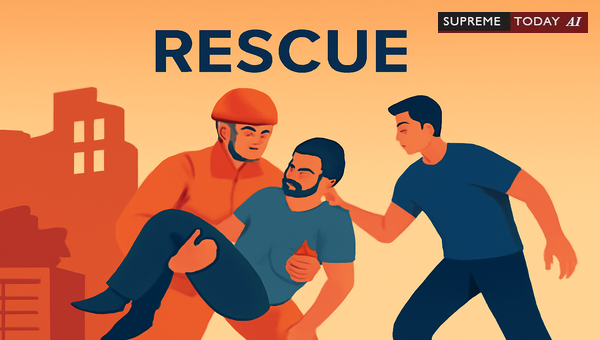
Injuries During Rescue Operations: Understanding
In high-stakes situations where lives hang in the balance, individuals often step in to rescue others from harm. But what happens when the rescuer themselves sustains injuries—or causes injuries—in the process? A compelling legal question arises: Accused Received Injuries when she Rescued the Deceased. Does this trigger automatic ? This blog post delves into court interpretations, medical evidence, and key precedents to clarify when such injuries are seen as to a , rather than criminal offenses.
Drawing from judicial documents and witness accounts, we'll explore how courts assess intent, context, and causation. Note: This is general information based on case analyses and not specific legal advice. Consult a qualified attorney for personalized guidance.
The Core Legal Issue: Injuries in Rescue Scenarios
Rescue operations during assaults or unlawful acts can lead to chaotic confrontations. Rescuers may sustain while intervening, or injuries might occur incidentally to bystanders or even the accused. Courts typically evaluate whether these injuries fall within the bounds of a .
Key question at hand: Are injuries sustained during rescue considered criminal, or are they and non-culpable absent ? Judicial findings emphasize that such injuries may not necessarily implicate if they are part of genuine rescue efforts. 2017 6 Supreme 282
Main Legal Findings from Court Documents
Recognition of Injuries as to Rescue
In one pivotal case, the court examined injuries to PW-8, who sustained while rescuing the deceased from accused persons. Medical evidence from PW-11 confirmed these were consistent with the act of rescue, including wounds that fully corroborate with the oral evidence and were examined and proved in relation to the incident. 2017 6 Supreme 282
The ruling highlights that injuries during rescue are recognized as and do not automatically attract . This applies provided they are not inflicted with or exceeding lawful bounds.
Contrast with Injuries in Unlawful Assaults
For comparison, another document details an assault where multiple accused used lathies, causing and a leading to death. The court struggled to attribute specific injuries due to lack of evidence on causation, noting: injuries in a have varying implications based on intent. 1992 0 Supreme(SC) 507
This contrasts sharply with rescue contexts, where the proactive intent to save distinguishes the act.
Integrating Witness Testimonies and Additional Sources
Multiple sources reinforce that rescues often occur amid violence, with rescuers facing risks from accused parties.
- PW.9 received information that accused Nos.1 and 2 beat the deceased, leading to death. Witness Gunaganti Bakkaiah (PW.3) intervened and rescued the deceased from the clutches of accused persons. Thereafter, the accused escaped. 2024 Supreme(Online)(TEL) 2654 2024 Supreme(Online)(TEL) 26275
Similar patterns emerge elsewhere:- Accused assaulted victims, and rescuers sustained post-rescue attempts.
-
- In rescue from peril, time gaps and explanations matter; false accounts can imply responsibility, but genuine rescues are viewed differently. 2024 Supreme(Online)(Ker) 85925Broader evidence shows accused using weapons like axes and crowbars on victims and interveners:- Witnesses saw accused pressing the victim's neck, inflicting head injuries, and pursuing after rescue attempts. 2025 Supreme(Online)(KAR) 5789 2024 Supreme(Online)(TEL) 2871 2024 Supreme(Online)(Tel) 35504- Rescuers and even accused sustained injuries, often attributed to the altercation's chaos, with prosecution failing to specify natures in some instances. 2024 Supreme(Online)(Chh) 18868
These accounts underscore that courts scrutinize context: Were injuries to saving a life, or deliberate?
Detailed Legal Analysis: When Liability Arises (or Doesn't)
Factors Courts Consider
- Intent and Maliciousness: Injuries without during rescue are generally lawful. No evidence in the primary case suggested rescuers exceeded bounds. 2017 6 Supreme 282
- Medical Corroboration: Grievous nature alone doesn't imply crime if consistent with rescue dynamics. 2017 6 Supreme 282
- Witness Credibility: Trustworthy testimonies, like PW-3's intervention, support injury claims. 2024 Supreme(Online)(TEL) 2654
- Causation Challenges: In group assaults, pinpointing who caused what is tough, but rescue shifts the narrative toward defense. 1992 0 Supreme(SC) 507
Application to Real-World Scenarios
Imagine a brawl where bystanders rescue a victim from attackers. If rescuers wield force proportionally, injuries to attackers may be excused. However, excessive violence flips this—potentially leading to charges.
Sources confirm accused often fled post-rescue, leaving interveners injured: Witnesses intervened to rescue victims, and the accused fled the scene afterward. 2024 Supreme(Online)(TEL) 2871 2025 Supreme(Online)(KAR) 5789
In some instances, postmortem revealed no external injuries, pointing to natural causes despite violence claims, highlighting evidence's role. 2024 Supreme(Online)(Kar) 38675
Exceptions and Limitations
Not all rescue-related injuries escape liability:- Intentional or Malicious Acts: If proven deliberate, rescuers could face charges.- Exceeding Lawful Bounds: Disproportionate force voids the defense.- Lack of Evidence: False explanations for injuries strengthen prosecution cases. 2024 Supreme(Online)(Ker) 85925
No such proofs existed here, per documents. 2017 6 Supreme 282
Key Recommendations for Legal Practitioners and Individuals
- Document Thoroughly: Capture medical reports, witness statements, and timelines to prove rescue context.
- Assess Intent Early: Scrutinize for malice via forensics and testimonies.
- Leverage Precedents: Cite cases distinguishing rescue from assault. 1992 0 Supreme(SC) 507 2017 6 Supreme 282
Courts should always weigh if injuries were or caused with . 2017 6 Supreme 282
Conclusion and Key Takeaways
Injuries during rescue operations, like those to PW-8, are typically viewed as to lawful acts and evade automatic —unless malice or excess is proven. This principle protects good Samaritans while holding aggressors accountable.
Key Takeaways:- Rescue injuries are often non-culpable if . 2017 6 Supreme 282- Medical and oral evidence must align with rescue narratives.- Context differentiates lawful intervention from crime. 1992 0 Supreme(SC) 507- Witnesses like PW-3 bolster defenses. 2024 Supreme(Online)(TEL) 2654
Understanding these nuances can be crucial in defenses. For tailored advice, seek professional legal counsel.
References
- 2017 6 Supreme 282: Injuries to rescue.
- 1992 0 Supreme(SC) 507: Assault injuries and causation.
- 2024 Supreme(Online)(TEL) 2654 2024 Supreme(Online)(TEL) 26275: Witness rescues.
- Additional:
-
, 2024 Supreme(Online)(Ker) 85925, 2025 Supreme(Online)(KAR) 5789, etc.












