


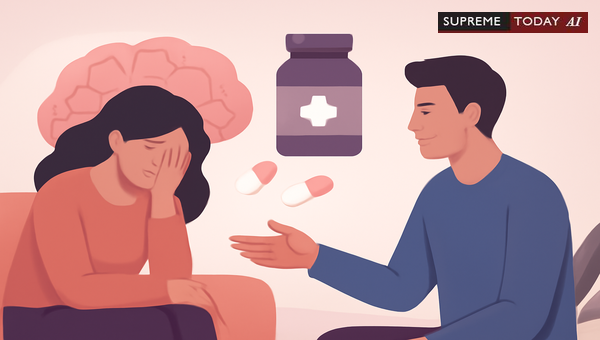
Wife Refuses Depression Treatment: Is It Grounds for Divorce in India?
In many marriages, mental health challenges like depression can strain relationships. Imagine a scenario where a wife suffers from depression and refuses to undergo treatment. Does this refusal amount to , providing grounds for divorce under Indian law? This question often arises in family courts, particularly under the . While it may cause distress to the spouse, courts approach such cases cautiously, emphasizing evidence and individual rights. 1999 0 Supreme(P&H) 94
This blog post delves into the legal analysis, key principles, judicial precedents, and practical recommendations. Note that this is general information based on case law and should not be taken as specific legal advice—consult a qualified lawyer for your situation.
Understanding the Legal Issue: Refusal to Treat Depression
Depression affects millions in India, and when it impacts a marriage, husbands (or wives) may seek divorce citing . However, the refusal of a spouse to undergo medical treatment, including psychiatric care, does not automatically constitute . Courts uphold the fundamental right to and personal medical decisions. 1999 0 Supreme(P&H) 94
In one documented case, the husband claimed the wife's untreated depression caused him distress and his own depression. Yet, the court ruled that mere refusal does not qualify as without additional factors. 2018 0 Supreme(Bom) 2975 2017 0 Supreme(Pat) 1050
Other behaviors, such as unkindness to children or false accusations, might elevate the claim to , but depression alone typically does not. 1999 0 Supreme(P&H) 94
Mental Health and
For mental disorders to justify divorce, they must make unreasonable. The mere presence of a mental illness, if treatable, may not suffice. Substantial evidence is required, including medical documentation and expert testimony. 2017 0 Supreme(Pat) 1050 1993 0 Supreme(MP) 268 2016 0 Supreme(Kar) 302
Courts demand proof that the condition severely disrupts marital life. In cases lacking credible medical evidence, petitions fail. 2017 0 Supreme(Pat) 1050 2016 0 Supreme(Kar) 302
Key Legal Principles Under Hindu Marriage Act
1. What Constitutes ?
Under , includes mental or physical harm making living together impossible. Refusal for treatment isn't per se, as individuals have the right to decline medical intervention. 1999 0 Supreme(P&H) 94
- Right to Refuse Treatment: Spouses cannot be forced into therapy; this respects personal autonomy.
- Additional Behaviors Matter: Refusal combined with neglect of duties, accusations, or harm to family may tip the scale. 1999 0 Supreme(P&H) 94
2. Evidence Standards for Mental Health Claims
Petitioners must substantiate claims rigorously:- Medical records showing diagnosis and impact.- Expert psychiatric evaluations.- Testimony on how it affects daily marital life. 2016 0 Supreme(Kar) 302 2020 0 Supreme(Mad) 1523
Without this, courts dismiss allegations. For instance, if the wife shows improvement post-treatment, claims of weaken. 2020 0 Supreme(Mad) 1523
Judicial Precedents and Case Law
Indian courts have addressed similar issues consistently:
- : The clarified that a wife's refusal to cooperate in medical exams or treatment isn't unless it significantly disrupts marriage. 2017 0 Supreme(UK) 213
In reviewed legal documents, courts reiterated that treatable conditions don't justify divorce absent severe impact. 1993 0 Supreme(MP) 268
Insights from Related Cases
Other precedents provide broader context:
In a matter, the wife was already undergoing treatment for depression for six months prior to an incident, undermining claims of neglect. Prosecution witnesses didn't support harsh allegations, leading to acquittal.
Another case noted a wife treated at a nursing home after leaving home, but refusal to live together without cause was key, not mental health alone.
Courts have advised treatment: However, she may be advised to undergo treatment for her mental condition to avoiding detrimental condition to her health. Family supervision was recommended over speculation on marriage viability. 2024 Supreme(Online)(DEL) 956
In disability contexts, depression linked to trauma was acknowledged, but future prospects (including matrimonial) were considered holistically. 2019 0 Supreme(P&H) 538
A defense succeeded where the wife had continuous treatment in a mental hospital for severe depression, showing abnormal behavior wasn't willful . 2017 0 Supreme(Jhk) 661
Denial of ongoing depression treatment was noted, but courts stressed must be non-trivial: Irritation or mere annoyance may not amount to ; rather it is a spontaneous change of human behavior. Mental pain must make impossible. 2016 0 Supreme(P&H) 1060
Even in service matters, depression treatment was a mitigating factor against harsh penalties. 2014 0 Supreme(All) 1650
These cases highlight that treatment compliance or evidence often sways outcomes.
Practical Recommendations for Affected Spouses
If facing this situation:
- Gather Evidence: Collect medical reports, witness statements, and expert opinions on marital impact.
- Explore Alternatives: Mediation or counseling can address root issues. Courts favor reconciliation where possible.
- Consider Holistic Factors: Focus on patterns of behavior, not isolated refusal.
Legal Position Summary: Refusal to treat depression doesn't automatically grant divorce. Demonstrate beyond health choices. 2018 0 Supreme(Bom) 2975
Conclusion and Key Takeaways
While a wife's depression and treatment refusal can strain marriages, Indian law prioritizes evidence and rights. Courts require proof of unreasonable , not mere distress. Mediation often proves more constructive than litigation.
Key Takeaways:- Refusal alone ≠ . 1999 0 Supreme(P&H) 94- Need strong medical evidence. 2017 0 Supreme(Pat) 1050- Treatment history can counter claims. 2020 0 Supreme(Mad) 1523- Seek professional counseling first.
This analysis draws from precedents like 2018 0 Supreme(Bom) 2975, 2017 0 Supreme(Pat) 1050, 1999 0 Supreme(P&H) 94, 2017 0 Supreme(UK) 213, 1993 0 Supreme(MP) 268, 2016 0 Supreme(Kar) 302, 2020 0 Supreme(Mad) 1523, and others. Always consult a family law expert for personalized guidance, as outcomes vary by facts.
#DivorceIndia, #MentalHealthLaw, #FamilyLaw












