


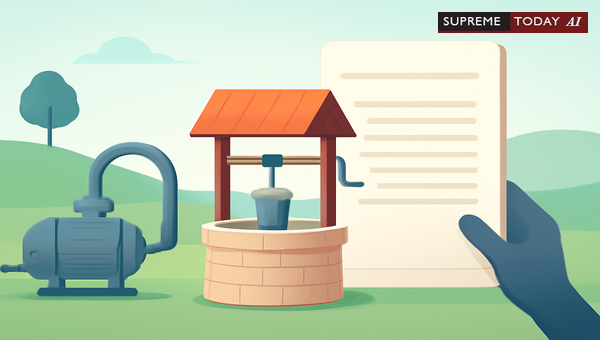
Can You Use an Electric Motor to Lift Water from a Well in India?
In rural India, wells are vital sources of water for irrigation, drinking, and daily needs. But what happens when traditional methods like buckets or manual pumps give way to modern technology? A common question arises: If a person has the right to draw water from a well, can they use an electric motor to lift the water?
This issue often sparks disputes among co-owners, neighbors, or holders, especially in shared wells. Courts in India have addressed this repeatedly, balancing individual rights with communal interests. This blog post dives into the legal framework, key precedents, limitations, and practical advice. Note: This is general information based on case law and not specific legal advice. Consult a qualified lawyer for your situation.
Understanding the Legal Right to Draw Water from a Well
The foundation of this right stems from , , , or . Under Indian law, including the , and principles of , a person with established rights can access and extract water.
- or : If you own the well or share it, you typically have the right to draw water proportional to your share.
- Rights: Even without , an (legal permission to use another's property) may grant access.
Courts recognize that this right evolves with technology. As noted in one case, the material on record makes out that the appellant has right to use the water from the whatever the extent of his share therein. It is a draw well to which later on arrangements were made by the parties to pump out by means of electric motor for their convenience.
Another ruling affirms: the right to draw water is an inherent or right, which can include using electric motors for convenience.
2021 0 Supreme(AP) 570 2022 Supreme(Online)(MAD) 3033
Permissibility of Using an Electric Motor
Generally, yes—if you have the legal right to the water, using an electric motor is permissible as a modern method of extraction. Courts have upheld this, viewing electric motors as reasonable advancements over traditional means.
A key precedent states that a person with a right to draw water from a well can generally use methods available to lift water, including modern techniques, provided it does not prejudice others' rights. 2001 0 Supreme(Mad) 337
In shared wells, co-owners can install motors: co-owners or persons with rights to a well can install electric motors for drawing water, as long as their actions do not interfere with others' rights or . 2001 0 Supreme(Mad) 337
Further support comes from cases where petitioners sought electricity connections for motors: Now, the petitioners only seeks for electricity connection to draw water from the said well by using an electric motor instead of the motor operated with oil engine... , the insistence of from the private parties does not arise. 2016 0 Supreme(Mad) 593
The installation and use are lawful if tied to legal rights: Courts have upheld the use of electric motors as a modern method of drawing water, especially when the person has a right to access the well, and such use does not harm others' rights or interests. 2001 0 Supreme(Mad) 337 1988 0 Supreme(Raj) 481
Key Legal Precedents and Court Rulings
Indian courts have consistently leaned toward allowing modern methods when rights are clear:
Shared Rights and Convenience: Arrangements for electric pumping in draw wells are valid for co-owners' convenience, without exclusive claims.
No Interference Required: Claims for against motor use fail if rights are shared. Courts have dismissed claims for exclusive rights to electric motors or against their use when rights are shared or not exclusive. 2017 0 Supreme(Mad) 3476
and Tubewell Access: In a case, plaintiffs sought for tubewell use, affirming co-owners' rights to draw water without obstruction.
- Supreme(Online)(P&H) 10224
Practical Examples: Even in disputes, draining wells via electric motors has been noted without prohibition when rights exist. Then by electric motor, water was drained out from the well. 2015 0 Supreme(Bom) 922
These precedents emphasize: The right to draw water includes the right to use appropriate and modern means, such as electric motors, as part of the right to access water, especially when such use is within the scope of shared rights. 2001 0 Supreme(Mad) 337
Limitations and Conditions: When You Can't Use an Electric Motor Freely
While permissible, this right isn't absolute. Key restrictions include:
No Prejudice to Others: The motor must not reduce water supply, damage the well, or interfere with co-owners. The installation must not prejudice the rights of others or cause damage or diminution of water supply. 2001 0 Supreme(Mad) 337
Over-Extraction Risks: Courts may restrict if it leads to drying the well. Courts have also recognized restrictions where the use of electric motors could lead to over-extraction, drying up of the well, or infringing on others' rights. 2024 Supreme(Online)(ORI) 1725 2025 Supreme(Online)(P&H) 3925
Illegal Tapping: Unauthorized connections, like tapping rivers to wells via motors, are illegal. The petitioner illegally tapping Bhavani River water to the nearest Well through EB Service Connection... extracting water from Bhavani River by using the Electric Motor. 2023 0 Supreme(Mad) 566
Disputes Over Flow: Starting motors causing overflow to neighbors' fields can lead to conflicts. He, therefore, started electric motor on the well so that water can go to the field... questioned him as to why the water from the well was allowed to enter their field. 2005 0 Supreme(Bom) 1755
In essence, the right to use electric motors to lift water hinges on , legal rights, or easements. When such rights are established, electric motors are considered lawful means of water extraction; otherwise, unauthorized use can be challenged or restricted.
2024 Supreme(Online)(MP) 38563
Practical Recommendations for Well Owners
To avoid disputes:
- Verify Your Rights: Confirm via documents or court declarations.
- Seek Consent: For shared wells, get co-owners' agreement or (NOC) where required.
- Comply with Regulations: Ensure electricity connections follow local rules; no illegal tapping.
- Monitor Impact: Use motors reasonably to prevent depletion.
- Resolve Disputes Early: Approach for or declarations if needed.
It is advisable to ensure that the installation and use of electric motors are in accordance with shared rights and do not cause harm or prejudice to other rights holders.
Conclusion: Key Takeaways on Well Water Rights
A person with a legal right to draw water from a well can generally use an electric motor to lift it, as courts recognize modern methods like electric pumps as legitimate, especially in shared setups. However, this is conditional on not harming others' rights, the well's sustainability, or local laws.
Key Takeaways:- Rights from or enable motor use. 2001 0 Supreme(Mad) 337 1988 0 Supreme(Raj) 481- No interference with co-owners is crucial. 2017 0 Supreme(Mad) 3476- Courts favor convenience but curb excesses.
In disputes, judicial trends support balanced access. For personalized guidance, consult a local advocate familiar with property and water laws.
References:- 2001 0 Supreme(Mad) 337 1988 0 Supreme(Raj) 481 2017 0 Supreme(Mad) 3476- 2023 0 Supreme(Mad) 566
- Supreme(Online)(P&H) 10224
2016 0 Supreme(Mad) 593 2015 0 Supreme(Bom) 922 2005 0 Supreme(Bom) 1755-
2021 0 Supreme(AP) 570 2022 Supreme(Online)(MAD) 3033 2024 Supreme(Online)(MAD) 14137 2024 Supreme(Online)(ORI) 1725 2025 Supreme(Online)(P&H) 3925 2024 Supreme(Online)(MP) 38563 #WaterRightsIndia, #WellWaterLaw, #ElectricMotorWell












