


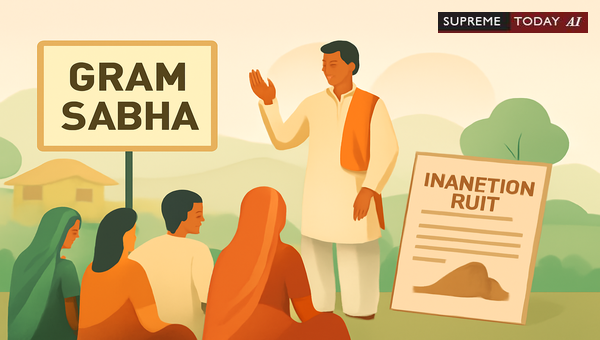
Can File vs ?
In rural India, land encroachments pose a significant threat to community properties managed by Gram Sabhas and . A common question arises: Is entitled to file an to restrain , or should it only inform the ? This issue is critical for village communities seeking to protect their lands from illegal occupation.
This blog post explores the of Gram Sabhas to initiate injunction suits, drawing from key judicial precedents and statutory provisions under the . While Gram Sabhas have recognized rights to approach courts, procedural nuances involving revenue authorities like the are essential. Note: This is general information based on legal precedents and not specific legal advice. Consult a qualified lawyer for your situation.
Main Legal Finding: Yes, Can File Injunction Suits
Yes, a can file a suit for injunction to prevent on its property, provided it establishes its legal interest and standing. Courts have consistently recognized the of Gram Sabhas and to seek such remedies, especially when they possess or manage community lands. 2011 0 Supreme(All) 3226
Key points include:- : Courts permit or Gram Sabhas to file injunction suits against encroachers, emphasizing protection of . 2015 0 Supreme(UK) 86- : Depending on the 's status and nature, civil courts or can be invoked. 2018 0 Supreme(All) 1900- : Prompt filing is crucial to restrain illegal activities. 1988 0 Supreme(Bom) 60
This affirms that Gram Sabhas are not limited to mere notifications to the ; direct is viable.
of to Institute Suits
Gram Sabhas, as representative bodies of village communities, hold to protect communal lands. Under the , The may institute a suit under for or to seek any further relief. In case of institution of such a suit, a may be granted by the Court concerned to prevent wastage, damage or alienation of the suit property.2020 0 Supreme(All) 1351
Further, allow Gram Sabhas to act as plaintiffs: will either be instituting a suit or a to contest a suit.2023 0 Supreme(All) 2084 Similarly, or will either be a instituting or filing a suit, or a contesting such a suit.2021 0 Supreme(All) 708
In 2011 0 Supreme(All) 3226, the court noted that the appropriate remedy includes filing a before , but this does not preclude civil suits. Courts have directed revenue authorities to remove encroachments on land, aligning with judicial relief options. 2015 0 Supreme(UK) 86
Courts' Recognition of Injunction Rights
Judicial precedents explicitly uphold Gram Sabhas' rights:- In 2018 0 Supreme(All) 1900, the court directed authorities to conclude proceedings, implicitly permitting legal actions like injunctions.- 1988 0 Supreme(Bom) 60 granted an injunction restraining a Panchayat from acting on a notice, highlighting timely intervention against encroachments.- Forest departments have filed civil suits for injunctions against encroachments, a parallel for community bodies. Forest department filed a civil suit seeking injunction to restrain the defendants therein from making any /construction over forest land.2014 0 Supreme(P&H) 473
Tenure holders or Panchayats can file declaratory suits under . 2025 0 Supreme(All) 2812 2025 0 Supreme(All) 2602
Role of the : Inform First, But Not Exclusive
While Gram Sabhas can directly file suits, statutes emphasize notifying revenue officials. The tenure-holder or the person in possession of the land, as the case may be, shall inform the concerned in the manner prescribed.2025 0 Supreme(All) 2812 This notification is a procedural step, often prerequisite for enforcement.
The analysis shows: 's Authority to File - The has the to institute suits under , to prevent wastage, damage, or alienation of land, including seeking . However, effective enforcement and necessitate informing and involving the or revenue officials.2024 0 Supreme(All) 1893 2025 Supreme(Online)(ALL) 695
In some schemes, Collectors organize meetings to inform villagers, underscoring administrative involvement. 2016 0 Supreme(Mad) 535 2013 0 Supreme(SC) 601
Conditions, Limitations, and Procedures
To succeed, Gram Sabhas must:- Establish Interest: Prove ownership, possession, or community rights via records. 2011 0 Supreme(All) 3226- Comply Procedurally: Provide evidence, notifications, and timely filings.- Consider Alternatives: like applications to Assistant Collectors are preferred initially but not mandatory. 2011 0 Supreme(All) 3226
Limitations include:- Disputed private lands may challenge standing.- Failure to notify could weaken enforcement.- Criminal proceedings require land rights adjudication. 2024 0 Supreme(All) 1893
Jurisdiction spans civil courts for injunctions under CPC or .
Practical Recommendations for Gram Sabhas
To effectively combat encroachments:1. Document Everything: Maintain records of ownership, surveys, and prior notices.2. Notify Authorities Promptly: Inform the or as prescribed.3. Consult Panel Lawyers: Institute suits with state-appointed lawyers. 2023 0 Supreme(All) 20844. Seek : File under Section 145 for immediate relief against damage or alienation. 2020 0 Supreme(All) 13515. Pursue Comprehensive Action: Combine civil suits with revenue proceedings for robust protection.
Gram Sabhas should act swiftly, as delays can prejudice claims. 1988 0 Supreme(Bom) 60
Key Takeaways and Conclusion
In conclusion, Gram Sabhas are entitled to file injunction suits to restrain encroachments, bolstered by precedents and the . While informing the is a key procedural step for enforcement, it does not bar direct court access when standing is clear. 2011 0 Supreme(All) 3226 2015 0 Supreme(UK) 86 2018 0 Supreme(All) 1900
Key Takeaways:- Empowered to Sue: Yes, for declaration and injunctions under relevant sections.- Involve : Essential for and execution.- Evidence is King: Strong documentation ensures success.
Protecting village lands strengthens community welfare. For tailored guidance, engage local legal experts familiar with revenue laws.
Word count: 1028. References: All citations drawn from provided legal documents.
#GramSabhaRights, #LandEncroachment, #InjunctionSuit












