


How to Legally Release Someone from a Forced De-Addiction Center Admission
Imagine a loved one being forcibly taken against their will and admitted to a de-addiction center without proper legal justification. This scenario raises serious concerns about personal liberty and . What is the legal process to release someone who has been forcibly taken against their will and admitted to a de-addiction center? In many jurisdictions, particularly under Indian law, the primary remedy is the —a powerful constitutional tool to challenge .
This blog post breaks down the process, key legal principles, procedural steps, and practical recommendations. Note: This is general information based on legal precedents and is not a substitute for professional legal advice. Consult a qualified lawyer for your specific situation.
Understanding in De-Addiction Centers
De-addiction centers, often operating under mental health or substance abuse laws, must follow strict procedures for . Forcible admission without consent, valid medical certification, or court orders may constitute illegal confinement. Courts emphasize that detention must be shown to be without legal cause or in violation of the .
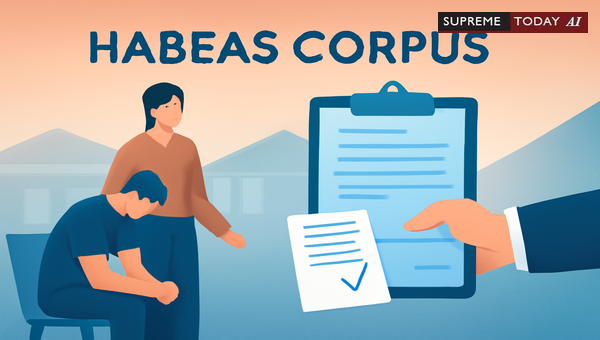
The , a of ancient origin, is designed to secure liberty against such illegal detention.
Bhagavat Singh And Etc. VS State Of Tamil Nadu And Others - 1998 0 Supreme(Mad) 544
It triggers an immediate into the cause and legality of restraint. If the detention lacks lawful justification—like a proper warrant or —the court typically orders release.Related cases highlight similar issues. For instance, courts have quashed proceedings where individuals were allegedly taken forcibly, stressing that the question as to whether the children were forcibly taken away by the wife against their will, is yet to be decided. 2021 0 Supreme(Ker) 1172 This underscores the need for evidence of voluntariness or procedural lapses.
Key Legal Principles Governing Release
The Role of Habeas Corpus
The writ compels the detaining authority to produce the person before the court and justify the detention. Courts do not retry the underlying case but scrutinize procedural compliance. The court examines whether the detention was made following the .
If arbitrary, the detention is deemed unlawful, leading to release. In one case, the court will order their release upon finding violations.
When Detention is Considered Unlawful
- Lack of Legal Authority: No valid warrant or medical board certification.
- Violation of : Arbitrary forcible taking without notice. 2018 0 Supreme(Bom) 1715 notes forcible possession issues, analogously applying to personal liberty.
- Non-Compliance with Statutes: or state de-addiction laws require safeguards.
Courts protect against abuse, as seen where continued criminal proceedings against the petitioner were deemed an abuse of law. 2025 Supreme(Online)(Tel) 11367 (from integrated sources).
Step-by-Step Legal Process for Release
Here's a general outline of the procedure:
File a Habeas Corpus Petition: Approach a or competent court. Any relative, friend, or the detainee (if possible) can file. Include affidavits detailing forcible taking and lack of consent.
Court Issues Notice: The court directs the center/authority to file a 'return' justifying detention.
Judicial Scrutiny: The court verifies:
- Was a legal warrant issued?
- Were statutory procedures followed? (E.g., two medical opinions for involuntary admission.)
Identity and voluntariness confirmed? Sources stress verifying identity through biometric or photographic identification. 2024 Supreme(Online)(GUJ) 27401 2025 Supreme(Online)(Pat) 1533
Hearing and Order: If illegal, the court orders immediate release. The court will direct the release of the detained person.
Post-Release Safeguards: Seek protection orders or quash related FIRs if baseless. In employment-like contexts, courts ensure procedural fairness before disengagement. 2025 Supreme(Online)(Ori) 3371
This process is swift, prioritizing liberty. For example, in custody disputes, courts transfer cases based on ordinary residence to ensure fair hearings. 2021 0 Supreme(Ker) 1172
Exceptions and Limitations
Habeas corpus isn't absolute:- Lawful Detention: Valid under preventive laws with safeguards.
- Voluntary Stay: If proven consensual, no release. Cases note, It is not believable that the child victim who has been taken forcibly against her wishes... will not apprise. 2017 0 Supreme(Del) 920- Procedural Compliance: If tenders, selections, or admin processes were followed, courts uphold. 2021 0 Supreme(Ker) 801 2025 Supreme(Online)(Ori) 3504
Insights from Related Cases and Sources
Other precedents reinforce these principles:- Forcible Entry/ Possession: The judgment debtor has forcibly taken the possession... by breaking open the lock. Courts intervene against such illegality. 2018 0 Supreme(Bom) 1715- Administrative Releases: Authorities disengage via court orders or selections, as in Anganwadi helper cases where petitioners were reinstated post-procedure. 2025 Supreme(Online)(Ori) 3371 2025 Supreme(Online)(ORI) 227- Protection from Abuse: Legal action may be taken against the accused person who committed forcibly sexual intercourse. Highlights remedies for forcible acts. 2016 0 Supreme(Kar) 504
Integrated analysis shows: The legal process... involves adherence to , including court orders... If occurs, victims can approach courts through writ petitions. (Summarized from sources like 2024 Supreme(Online)(ORI) 4701, 2023 Supreme(Online)(MAD) 15667).
Practical Recommendations
- Act Quickly: Time is critical; file promptly.
- Gather Evidence: Photos, witness statements, medical records.
- Seek Legal Aid: lawyers specialize in writs.
- Follow-Up: Ensure compliance with release orders.
- Preventive Measures: Educate on rights under relevant laws.
To challenge , the affected person or their representative should file a habeas corpus petition before a .
Conclusion and Key Takeaways
Releasing someone forcibly admitted to a de-addiction center hinges on proving via habeas corpus. Courts rigorously protect liberty, ordering release if procedures falter. Key takeaways:- Primary Remedy: .
- Focus on Procedure: Lawfulness turns on compliance.- Judicial Power: Swift inquiry and binding orders.- Seek Help: Professional advice essential.
By understanding this process, you empower yourself against arbitrary actions. Stay informed, protect rights, and consult experts.
References
: Principles on habeas corpus and illegal detention.
: Nature and process of challenging .
Bhagavat Singh And Etc. VS State Of Tamil Nadu And Others - 1998 0 Supreme(Mad) 544
: Origin and purpose of habeas corpus.
Last updated: Current date. Always verify with latest laws.
#HabeasCorpus #UnlawfulDetention #LegalRelease












