


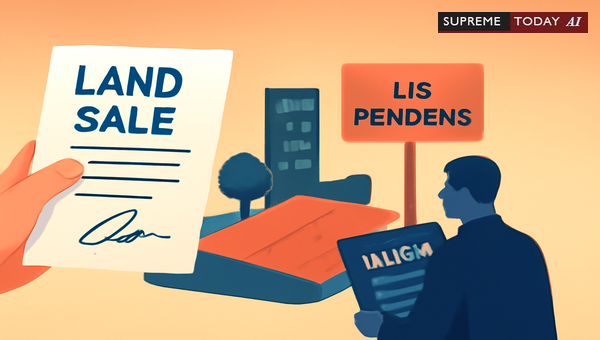
Illegal Parent Transaction: Does It Invalidate Subsequent Land Sales?
In the complex world of Indian property law, land transactions often involve chains of sales, transfers, and acquisitions. A common concern arises: if the initial parent transaction—such as the original purchase or acquisition—is deemed illegal or void, does this taint all subsequent deals? The question on many minds is, Subsequent Land Transactions Need Not be Challenged if Parent Transaction is Illegal. But is this always true?
This blog post dives deep into precedents and legal principles to clarify when subsequent transactions stand firm and when they may face challenges. Whether you're a buyer, seller, or investor, understanding these nuances can protect your interests. Note: This is general information based on case law and not specific legal advice—consult a qualified lawyer for your situation.
Understanding Parent and Subsequent Land Transactions
A parent transaction refers to the foundational deal, like the initial land acquisition under the or a primary sale deed. Subsequent transactions are follow-on sales, transfers, or agreements derived from it.
The legality of the parent deal can raise red flags. For instance, acquisitions after a under the are often . 2025 0 Supreme(Bom) 476 states: However, under the , a transaction effected after the was illegal and void.
Yet, the impact on downstream deals isn't automatic. Courts examine factors like good faith, fraud, and statutory doctrines. Generally, subsequent transactions may survive, but illegality can ripple through. 2022 0 Supreme(AP) 340
Key Principles: When Subsequent Transactions May Be Challenged
Legal documents reveal that subsequent land transactions may be challenged if the parent is illegal, depending on circumstances. Here's a breakdown:
If the parent transaction involves , subsequent ones could be voidable. In , the highlighted this risk. 2016 4 Supreme 73
Doctrine
Transactions during pending litigation on the parent deal may bind parties under . 2016 4 Supreme 73
Courts may sever illegal parts without invalidating the whole. 2016 4 Supreme 73
Revival of Acquisition
releases can revive original acquisitions, affecting later sales. 2016 4 Supreme 73
Transactions
Purchases post- can't challenge acquisitions. confirms: transactions are void. 2019 0 Supreme(SC) 1143
Unaccounted or Benami Deals
Unaccounted funds render deals illegal—no relief for parties. 2005 0 Supreme(SC) 1629 2004 0 Supreme(SC) 1623Benami transactions, where the apparent buyer isn't the real owner, are challengeable. 2019 5 Supreme 487
These principles show challenges are possible, countering the idea that subsequent deals are always safe.
When Subsequent Transactions Stand: Protections
Conversely, other sources affirm that subsequent land transactions are generally not challenged if the parent transaction is illegal, especially if genuine and in good faith. Subsequent land transactions are generally not challenged if the parent transaction is illegal, especially when the parent transaction is genuine and not a sham. The validity of subsequent transactions depends on their authenticity; genuine transactions executed in good faith are not invalidated solely because an earlier parent transaction was illegal or void. 2023 0 Supreme(Mad) 458 2022 0 Supreme(AP) 340
Third-Party Rights
Good faith buyers unaware of issues may claim remedies against sellers. 2016 4 Supreme 73
Valid sale agreements can be enforced despite parent flaws. . 2011 6 Supreme 737
Regularization by Authorities
Accepted transactions by development bodies often stand. 2011 6 Supreme 737
Illegal disguises, like moneylending masked as sales, void everything.
Transactions without permissions are unenforceable. 2022 0 Supreme(Bom) 1635 2023 0 Supreme(MP) 357
If the collateral purpose is illegal or the very transaction is invalid then, the document need not be admitted in evidence to prove such an invalid transaction. 2020 0 Supreme(Mad) 1352
deals with proper docs prevail unless fraudulent. 2023 0 Supreme(Mad) 458 2024 Supreme(Online)(Bom) 8238
Case Studies and Judicial Insights
Attorney Holder Transactions: Where the entire transaction has been conducted through a particular attorney holder, the principal has to examine that attorney holder to prove the transaction, and not a different or subsequent attorney. 2023 Supreme(Online)(KER) 29250
Ceiling Proceedings: In any case, if any sale transaction had taken place... during pendency of the ceiling proceedings or subsequent to passing the order... the same being and illegal could not be acted upon. 2014 0 Supreme(MP) 676
Invalid Consequences: Even if the transaction is held to be invalid, such illegal transaction would not entail, as a consequence, vesting of the land in Government. 2010 0 Supreme(Guj) 527
Illegal Transfers Post-Vesting: It is submitted that illegal transaction took place with regard to land in question. 2014 0 Supreme(Ker) 735
These illustrate courts' scrutiny: intent and independence matter.
Exceptions, Limitations, and Practical Considerations
- Good Faith Purchases: Protected if unaware of litigation. 2016 4 Supreme 73
- Independent Validity: Genuine sales endure. 2022 0 Supreme(Bom) 1635 2025 5 Supreme 731
Unaccounted or forged docs fail. 2017 0 Supreme(Guj) 952
Recommendations for Property Stakeholders
- Conduct Due Diligence: Verify title chains, notifications, and litigation history.
- Check for Red Flags: Fraud, benami traits, or post-notification sales.
- Seek Expert Advice: Property lawyers can assess risks under Indian laws like , .
- Document Thoroughly: Ensure sales deeds, POAs are .
Conclusion and Key Takeaways
The mantra? Subsequent land transactions need not always be challenged due to an illegal parent deal—but they may be if linked by fraud, pendency, or voidness. Courts prioritize bona fides, applying doctrines like severability and judiciously.
Key Takeaways:- , independent transactions often survive. 2022 0 Supreme(AP) 340- Illegality taints chains if sham or disguised. 2023 0 Supreme(Mad) 458- Always investigate; outcomes hinge on facts.
Protect your property rights—due diligence is key. For tailored guidance, consult a specialist in Indian land law.
Word count: 1028. Sources cited are for informational purposes; verify originals.
#LandLawIndia #PropertyDisputes #RealEstateLaw


















