


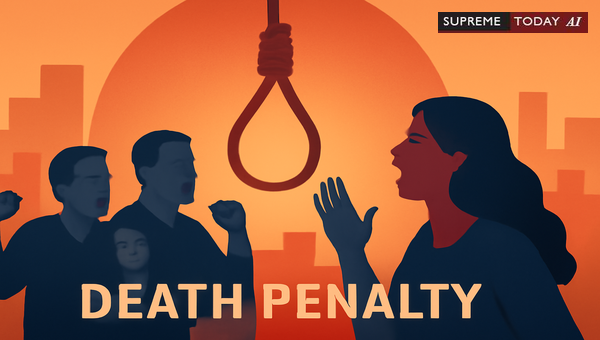
Crimes Shocking the Collective Conscience: When Shapes Justice
In the realm of criminal law, certain acts transcend individual harm, striking at the very fabric of society. These are crimes that shock the collective conscience of society and evoke . Imagine a brutal gang-rape and murder of a vulnerable person—acts so heinous they ignite widespread indignation and demand retribution. But how does the Indian judiciary respond? This blog delves into the legal principles governing such cases, drawing from landmark judgments and guidelines to explain their profound impact on sentencing.
Note: This article offers general insights into legal concepts and is not a substitute for professional legal advice. Consult a qualified lawyer for specific cases.
Defining Crimes That Shock the Collective Conscience
The phrase a crime and evokes refers to the offenses that provoke intense societal revulsion. These typically involve extreme brutality, moral depravity, or gruesome acts like the gang-rape of a vulnerable individual followed by murder, which are noted for their capacity to shock both the court and community 2015 5 Supreme 219.
Not all murders or rapes fall into this category. Only those with diabolical nature invite , shocking the judicial conscience and compelling a strong response 2018 0 Supreme(All) 194 2018 0 Supreme(UK) 10. As one judgment emphasizes, The crime results in , or the or the community 2022 0 Supreme(Bom) 661.
Such crimes blight not only individual lives but society at large, demanding punishments that reflect 2023 Supreme(Online)(KAR) 6149.
Key Legal Principles in Sentencing
When a crime shocks the collective conscience, courts apply specific principles to ensure justice aligns with societal expectations:
Gravity of the Crime: Punishment must be befitting the offense. One should keep in mind the social interest and conscience of the society while considering the determinative factor of sentence with gravity of crime. The punishment should not be so lenient that it shocks the conscience of the society2023 3 Supreme 41.
: Sentences must match the crime's severity and threat to societal harmony 2014 0 Supreme(Bom) 1723. Leniency could encourage further offenses, undermining public trust 2023 Supreme(Online)(KAR) 6149.
Doctrine: In profound cases, the death penalty may be the only apt punishment, as life imprisonment might not suffice 2015 5 Supreme 219 2014 0 Supreme(Bom) 1723. Factors include defenseless victims and low likelihood of reformation 2017 0 Supreme(MP) 890.
Judicial Duty: Judges must avoid personal biases. We are absolutely conscious that Judges while imposing sentence, should never be swayed away by any kind of individual philosophy and predilections... When the crime is diabolical in nature and invites , it 2017 3 Supreme 385.
These principles ensure courts reflect without descending into vengeance 2023 Supreme(Online)(KAR) 6149.
Judicial Response to
, while influential, does not dictate verdicts. Courts uphold , acting as a to protect individual rights amid societal pressures 2018 0 Supreme(SC) 1185. Yet, in heinous cases like murders or rapes of minors, stern measures are warranted to uphold social morality 2021 0 Supreme(All) 1219 2021 0 Supreme(All) 1215.
Guidelines, such as , categorize these as heinous, appointing special prosecutors to address their societal impact 2024 Supreme(Online)(KER) 36864. The judiciary's role is to impose sentences that prevent leniency from shocking society further, maintaining faith in justice 2021 0 Supreme(All) 1219.
Exceptions, Limitations, and Criticisms
Not every dispute qualifies. Civil matters or lesser offenses do not shock the conscience and may see proceedings quashed if disproportionate 2022 Supreme(Online)(Kar) 53870.
Critics argue against over-relying on collective conscience, as public opinion can lead to biases 2018 0 Supreme(SC) 1245. Young age or reformation potential may mitigate in some cases, though irrelevant in diabolical crimes 2022 0 Supreme(Bom) 661.
Balancing act: Courts weigh victims' rights, societal harmony, and constitutional principles, ensuring punishment deters without eroding rule of law.
Insights from Landmark Cases
Vasanta Sampat Dupare v. State of Maharashtra: Outlines duty when conscience is shocked—respond to community's cry for justice 2017 3 Supreme 385.
Multiple Precedents: Cases like Dhananjoy Chatterjee and Mohd. Mannan highlight defenseless victims and as death penalty triggers 2017 0 Supreme(MP) 890.
Sentencing Guidelines: Heinous crimes against minors demand stringent responses to reflect outrage 2024 Supreme(Online)(KER) 56935.
These illustrate how courts navigate emotional and legal dimensions.
Conclusion and Key Takeaways
Crimes shocking the collective conscience evoke , prompting the Indian judiciary to impose severe penalties like the death penalty in cases. This reflects societal values while prioritizing and independence 2014 0 Supreme(Bom) 1723. However, justice must never yield to mob sentiment, balancing outrage with rights.
Key Takeaways:- Heinous, gruesome acts against vulnerables typically qualify.- Punishment must not shock society through leniency 2023 3 Supreme 41.- Judiciary ensures fairness amid public cry.- Legal practitioners: Address emotional-legal interplay.
By upholding these principles, courts restore societal faith. For case-specific guidance, seek expert counsel.
#CollectiveConscience, #RarestOfRare, #PublicOutrage












