




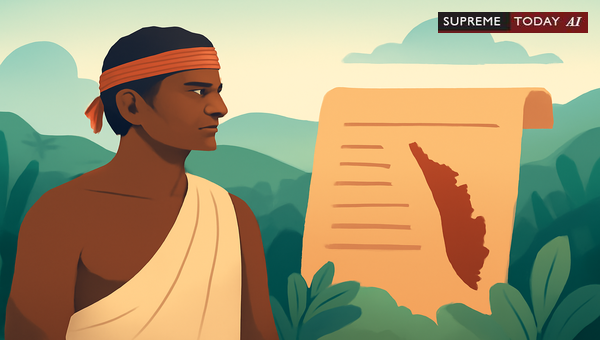
Kerala Tribal Support Measures: Laws, Challenges, and Pathways Forward
Kerala's lush landscapes, particularly in regions like Wayanad, are home to vibrant tribal communities that form a significant part of the state's cultural and demographic fabric. These (STs) face unique challenges, including , , and limited access to welfare schemes. A pressing question arises: What tribal support measures should the take? This blog delves into the legal frameworks, ongoing issues, and actionable recommendations to empower these communities, drawing from established laws and judicial insights.
Overview of Tribal Welfare in Kerala
The bears a constitutional and moral responsibility to uplift tribal populations, ensuring their rights to land, livelihood, and dignity. With tribals comprising a notable portion of Wayanad's residents, targeted interventions are crucial. Efforts span land protection, development programs, and welfare schemes, but implementation gaps persist. Recent reports highlight encroachments on forest lands exceeding 5000 hectares in Kerala, underscoring the urgency for robust measures. 2024 Supreme(Online)(NGT) 3561
Key Legal Frameworks Protecting Tribal Rights
Kerala has enacted specific legislation to safeguard tribal interests, focusing primarily on land rights—a cornerstone of tribal identity and sustenance.
1.
This pioneering Act restricts land transfers by and mandates restoration of alienated lands. It aims to prevent exploitation where tribals lose ancestral properties to non-tribals. However, challenges in implementation have been noted, emphasizing the need for stronger enforcement. 2004 1 Supreme 243
2.
Building on the Act, this successor legislation reinforces restrictions and balances interests of tribal and non-tribal holders. It addresses eviction concerns for long-term non-tribal occupants while prioritizing restoration. The Act recognizes practical realities in land disputes. 2018 0 Supreme(Ker) 462
3. The Seven-Point Agreement ()
Born from tribal agitations, this pact commits to:- Allocating five acres of land to landless tribals where feasible.- A five-year livelihood program on distributed lands.- Enacting laws against and a master plan for tribal development. 2024 0 Supreme(Ker) 117
Nationally, the , complements these by conferring legal rights on eligible forest dwellers, aiding Kerala's tribal forest communities. 2024 Supreme(Online)(NGT) 3561
Current Challenges in Tribal Support
Despite these frameworks, hurdles remain:
- Land Allocation Delays: Many tribals are landless, with pending applications. Government land assigned to non-tribals at nominal rates worsens scarcity. 2024 0 Supreme(Ker) 117
- Implementation Gaps: Welfare schemes falter, evident in high child mortality in tribal areas. 2006 0 Supreme(Bom) 1513
- Encroachment and Forest Rights: Over 5000 hectares of forest land in Kerala face encroachment, prompting calls for eviction support involving police and forest officers. 2024 Supreme(Online)(NGT) 3561
Additional socio-legal issues include succession rights. Under , it does not apply to unless notified. Courts have urged amendments for gender parity, noting, There may not be any justification to deny so far as female member of Tribal is concerned. The is directed to review exemptions for equality under and 21. 2023 1 Supreme 652
Family planning services are provided without compulsion, according special consideration to Kerala's tribals, aligning with non-coercive welfare policies. 2016 6 Supreme 595
Recommendations for Effective Government Action
To bridge these gaps, the may consider:
- Prioritize Land Distribution
- Expedite tribal land applications.
Review and revoke non-tribal assignments where tribal claims pend. 2024 0 Supreme(Ker) 117
Strengthen Law Enforcement
- Bolster the and Acts' implementation.
Enhance resources for monitoring. 2004 1 Supreme 243 2018 0 Supreme(Ker) 462
Foster Community Engagement
- Involve tribals in project planning, respecting cultural practices.
Set up feedback mechanisms for scheme impacts.
Promote Awareness and Empowerment
- Launch campaigns on rights and schemes.
- Offer training for governance participation.
, as in related notifications, should regulate development to secure livelihoods, prohibiting commercial conversions in forests and parks. 2020 0 Supreme(P&H) 239
Broader Judicial and Policy Insights
Courts have emphasized holistic support. In medical admissions, tribals receive benefits under state notifications, permitting participation in counseling with weightage. 2017 0 Supreme(SC) 561 Public health initiatives, like family planning, underscore non-compulsory services for tribals, ensuring reproductive rights under Article 21. 2016 6 Supreme 595
The reinforces state duties to protect natural resources, relevant for tribal forest habitats. States must delineate to prevent irreversible damage. 2020 0 Supreme(P&H) 239
Conclusion and Key Takeaways
Kerala's tribal support framework—via the and Acts, the Agreement, and national laws like the Forest Rights Act—lays a strong foundation. Yet, challenges like land delays and implementation shortfalls demand urgent action. By prioritizing distribution, enforcement, engagement, and education, the government can foster equitable upliftment.
Key Takeaways:- Land restoration remains pivotal; enforce Acts rigorously. 2004 1 Supreme 243 2018 0 Supreme(Ker) 462- Address gender disparities in succession via policy reforms. 2023 1 Supreme 652- Integrate tribal voices for sustainable development.
This article provides general information based on public legal sources and is not legal advice. Consult a qualified attorney for specific cases.












