




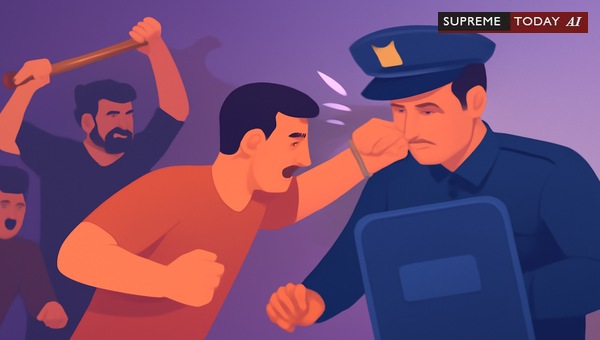
Mob on Police: Can Named Persons Be Guilty Under IPC Sections 353 and 332?
In tense situations like protests or public agitations, mobs sometimes confront police officers, leading to assaults and verbal abuse while demanding immediate action. But does this automatically make individuals guilty under specific (IPC) provisions? Specifically, if the mob assaults the police and abuses them demanding action, can some named persons be held guilty for the offences under Section 353 and ?
This question arises frequently in cases involving public unrest. While such acts are serious, liability under these sections isn't automatic. This blog post breaks down the legal requirements, drawing from key judicial interpretations and . Note: This is general information based on legal principles and is not specific legal advice. Consult a qualified lawyer for your situation.
Understanding IPC Sections 353 and 332
Section 353 IPC deals with or to deter a from . It punishes acts intended to obstruct or intimidate officials like police officers while they perform lawful functions. Punishment can include up to 2 years imprisonment, fine, or both. [
#IPC353 #AssaultOnPolice #CriminalLawIndia












