


Co-Passenger Car Door Opening: Negligence?
Introduction
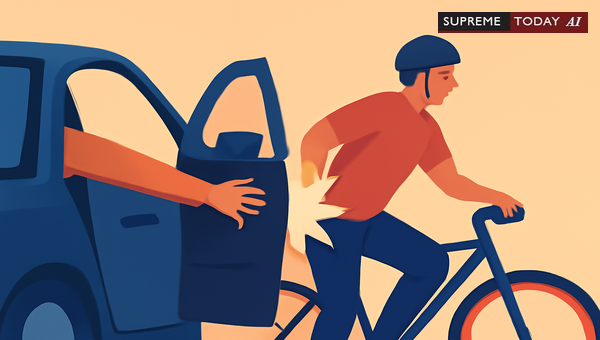
Imagine you're driving down a busy street when suddenly a car door swings open from a parked vehicle, causing a collision. Was it the driver's fault, or does the co-passenger who opened the door bear responsibility? The question Opening of Car Door by Co-Passenger Comes to Negligence arises frequently in personal injury claims and insurance disputes. This blog post explores the legal nuances of negligence in such scenarios, drawing from established tort law principles, key case precedents, and real-world judgments. While this provides general insights, it's not legal advice—consult a qualified attorney for your specific situation.
Overview of Negligence in Car Door Opening Incidents
Negligence claims involving a co-passenger opening a car door typically revolve around whether the act breached a and directly caused harm. In tort law, plaintiffs must prove duty, breach, causation, and damages. Passengers generally aren't for the driver's actions, but their individual conduct can lead to if unreasonable. 1997 9 Supreme 69
Courts assess if the door opening was foreseeable and preventable. For instance, opening a door without checking mirrors or traffic can be deemed careless, especially in high-traffic areas. However, intervening factors like another driver's speed may reduce or shift liability. 1993 0 Supreme(Ker) 260
Key Legal Principles
Everyone owes a duty to act reasonably to avoid harming others. Vehicle occupants, including co-passengers, must exercise caution before opening doors. The law doesn't automatically impute the driver's negligence to passengers unless the passenger actively contributes. The principle of requires individuals to act reasonably to avoid causing harm to others. In the context of passengers in a vehicle, the law generally does not impute the driver's negligence to the passengers. 1997 9 Supreme 69
Causation and
Causation links the door opening to the accident. While it may initiate events, supervening causes—like an oncoming vehicle's rash driving—can break the chain. The act of opening the car door may be seen as a direct cause of an accident; however, it is essential to establish whether this act alone constitutes negligence... other factors, such as the presence of another vehicle, can be considered . 1993 0 Supreme(Ker) 260
Landmark Case Law
Gee v. The Metropolitan Railway Company
In this classic case, the court ruled that passengers can reasonably assume safety measures, like secure doors, are in place. Liability often falls on operators if defects cause harm, not innocent passengers. A passenger is entitled to assume that safety measures (like a properly fastened door) are in place. If an accident occurs due to a failure of these measures, the liability may rest with the operator rather than the passenger. 2014 2 Supreme 134
The Bernina Case
This precedent reinforces that crew or driver's negligence isn't imputed to passengers. It protects co-passengers from automatic liability. 1997 9 Supreme 69
Application to Co-Passenger Scenarios
If a co-passenger opens the door leading to an accident, liability depends on reasonableness. Was traffic visible? Did they check for cyclists or vehicles? If not, it may constitute negligence. However, if the door was opened in a manner that a reasonable person would not foresee as dangerous, liability may not attach to the co-passenger. Other factors like vehicle speed can absolve them via . 1993 0 Supreme(Ker) 260
Insights from Additional Cases
Real-world judgments highlight how courts apportion fault:
In a U.S. case, As Dooley approached, Disla opened the car door. Disla testified that he did not recall looking in his mirror to check for any oncoming traffic before opening his door. This lack of caution contributed to a bicycle collision, underscoring negligence in door opening. 2023 Supreme(US)(ca2) 214
Indian courts have ruled similarly. In one instance, a van passenger abruptly opened the door, causing a scooter crash: the fourth respondent who was sitting inside a Maruti van... opened its front right door abruptly and negligently and the handle of the scooter... hit on the door. 2019 0 Supreme(Ker) 590
Abdul Rehaman (Supra) attributed 70% negligence to sudden door opening by a co-passenger or driver. 2023 0 Supreme(Del) 5729
In the Tata Sumo case, the driver's door opening was the sole cause of collision, backed by eyewitnesses. 2023 Supreme(Online)(Mad) 82894
Courts often assign partial fault: 75% to the door opener in one case for not noticing passing vehicles. 2024 Supreme(Online)(KER) 2290
is common: Opening a vehicle door without due caution, especially in traffic, is recognized as a negligent act. Cases like 2025 Supreme(Online)(Mad) 58303 and 2023 Supreme(Online)(Mad) 87388 emphasize checking surroundings.
These examples show courts consistently view careless door opening as , impacting compensation. In 2023 0 Supreme(UK) 615, loose door bolts highlighted shared duties, but rash opening established negligence.
Factors Influencing Liability
- Traffic Conditions: Busy roads heighten the duty to check.
- Visibility: Failure to look (e.g., no mirror check) strengthens negligence claims. 2023 Supreme(US)(ca2) 214
- Speed of Impacting Vehicle: Can mitigate as a supervening cause. 1993 0 Supreme(Ker) 260
- Eyewitness Testimony: Critical for causation, as in FIR-supported cases. 2023 Supreme(Online)(Mad) 82894
Insurance replies often contest, claiming claimant negligence, but tribunals apportion based on evidence. 2023 0 Supreme(Raj) 1976
Conclusion and Key Takeaways
Opening a car door by a co-passenger doesn't automatically equal negligence, but carelessness often leads to liability. Principles from Gee, Bernina, and modern cases stress reasonable conduct and causation analysis. may protect the opener, but courts frequently assign significant fault for rash actions.
Key Takeaways:- Always check mirrors and traffic before opening doors.- Document scenes with photos, witnesses for claims.- Liability is fact-specific—negligence degrees vary (e.g., 70-75%).- Explore case law like 2023 0 Supreme(Del) 5729 2024 Supreme(Online)(KER) 2290 for defenses.
Recommendations:- Analyze incident details, including witness statements. 1993 0 Supreme(Ker) 260- Identify to mitigate liability.- Apply precedents to argue lack of negligence. 2014 2 Supreme 134
This overview draws from documents like 1997 9 Supreme 69 1993 0 Supreme(Ker) 260 2014 2 Supreme 134. For personalized guidance, seek professional legal counsel. Stay safe on the roads!
#CarDoorNegligence, #PassengerLiability, #DooringAccidents















