


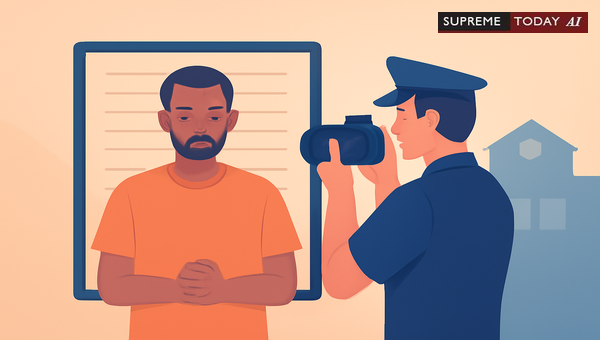
Can Police Photograph an Accused in Custody and Release to Press?
In high-profile criminal cases, it's common to see images of suspects splashed across newspapers or social media shortly after arrest. But is this practice legal under Indian law? The question arises: Whether Police is Permitted to Take Photograph of Accused while in Custody and it can be Released to Press? This issue touches on fundamental rights to privacy, dignity, and a fair trial, balanced against investigative needs. This blog post breaks down the legal position, drawing from statutes, court judgments, and key precedents. Note: This is general information, not legal advice. Consult a lawyer for specific cases.
The Legal Framework Governing Photography of Accused
Under Indian law, police powers to photograph individuals in custody are strictly regulated. The primary statute is the , particularly . This provision allows a of the first class to order the measurement or photographing of a person if necessary for investigation or proceedings, but only if the person has been arrested in connection with the case. 2020 0 Supreme(Ker) 530
Key restrictions include:- No arbitrary police power: Police lack independent authority under the to photograph accused without . 2020 0 Supreme(Ker) 530- 's order mandatory: Photographs can only be taken pursuant to a specific judicial directive. 2020 0 Supreme(Ker) 530- Police standing orders: These generally forbid photographing under-trial prisoners unless conditions under the Act are met. 2020 0 Supreme(Ker) 530
As stated in judicial analysis, The police do not have the authority under Indian law to take photographs of an accused in custody without adhering to the provisions of the , and related guidelines. 2020 0 Supreme(Ker) 530
Judicial Precedents on Unauthorized Photography
Indian courts have repeatedly deprecated unauthorized photography. Such actions violate of the Constitution, which protects life and personal liberty, including privacy and dignity. Courts emphasize that parading accused before media or snapping photos at crime scenes without approval prejudices trials. 2020 0 Supreme(Ker) 530
For instance:- Photographs are vital for preventing impersonation and identity verification but must follow legal procedures. 2020 0 Supreme(Ker) 530- Unauthorized release to media interferes with under . 2020 0 Supreme(Ker) 530
In one ruling, courts noted that taking and releasing photographs of accused persons to the media without following due process violates their , dignity, and can impede . 2020 0 Supreme(Ker) 530
Can Police Release Photographs to the Press?
The answer is a firm no without proper authorization. Releasing custody photos to media is impermissible and amounts to misconduct. Courts have observed that such publicity causes prejudice, violating privacy and fair trial standards. 2020 0 Supreme(Ker) 530
- Deprecated practice: Parading accused or leaking images without procedure is unlawful. 2020 0 Supreme(Ker) 530
- Legal consequences: Violations may lead to disciplinary action against officers or . 2020 0 Supreme(Ker) 530
This aligns with broader principles where media exposure can taint public perception before guilt is proven.
Insights from Additional Case Law and Sources
While the core rule is restrictive, some judgments permit photography for investigative purposes under supervision. For example, in certain cases, courts have noted that photographs should be taken in the presence of an Investigating Officer and kept on file as part of standard procedures. 2022 Supreme(Online)(MP) 212
- Investigative allowance: Police may photograph accused during custody for evidence documentation or identification, provided it's lawful and not for publicity. 2022 Supreme(Online)(MP) 212
- No general bar: Such practices are typically part of investigations and do not inherently violate rights if used properly. 2022 Supreme(Online)(MP) 212
However, release to press remains scrutinized. In a case involving press notes, investigations probed police roles in disseminating information, highlighting risks of unauthorized releases prejudicing trials. 2024 Supreme(Online)(Kar) 38076 It was stated that it is not the contention of the respondent that... the accused in this case have managed to get such press note released. 2024 Supreme(Online)(Kar) 38076
Other snippets reinforce caution:- In bail matters, references to photographs sent between accused or used in evidence underscore their evidentiary role but not public dissemination. 2025 Supreme(Online)(HP) 7296- Forged or morphed photos in cases highlight misuse risks, but lawful police photos must stay confidential. 2024 Supreme(Online)(GUJ) 14567 2021 Supreme(Online)(Guj) 1730
Overall, while photography for official purposes is often permitted, media release requires safeguards to protect .
Exceptions and Limitations
Limited exceptions exist:- : Photos during judicially supervised parades are lawful. 2020 0 Supreme(Ker) 530- Formal procedures: Under , with oversight. 2020 0 Supreme(Ker) 530
But publicity for media is unlawful. Courts prioritize accused privacy: Privacy rights of accused persons are paramount, and their images should not be publicized arbitrarily. 2020 0 Supreme(Ker) 530
Recommendations for Compliance
To avoid violations:- Adhere to : Obtain orders before photographing. 2020 0 Supreme(Ker) 530- Official use only: Limit photos to identification, not media. 2020 0 Supreme(Ker) 530- Training and monitoring: Enforce guidelines via awareness programs. 2020 0 Supreme(Ker) 530- Consequences for breach: Disciplinary or legal action. 2020 0 Supreme(Ker) 530
Police should document photos transparently, as in cases where photographs taken during custody are part of investigation, and their management is regulated by law. 2022 Supreme(Online)(MP) 212
Conclusion and Key Takeaways
In summary, Indian police generally cannot photograph accused in custody without a 's order under the . Even if taken lawfully for investigation—as permitted in some precedents—release to the press is typically impermissible, safeguarding privacy, dignity, and fair trials. 2020 0 Supreme(Ker) 530 2022 Supreme(Online)(MP) 212
Key Takeaways:- Rely on for authority; no CrPC general power. 2020 0 Supreme(Ker) 530- Avoid media leaks to prevent prejudice. 2020 0 Supreme(Ker) 530- Balance investigation needs with constitutional rights. 2022 Supreme(Online)(MP) 212
This nuanced position evolves with case law. Stay informed, and for personalized guidance, seek professional legal counsel.
References
- 2020 0 Supreme(Ker) 530: Core provisions and judgments on photography and media release.
- 2022 Supreme(Online)(MP) 212: Investigative photography practices.
- 2024 Supreme(Online)(Kar) 38076: Scrutiny on press releases.
- Other cases: 2025 Supreme(Online)(HP) 7296, 2024 Supreme(Online)(GUJ) 14567, etc., for contextual insights.












