


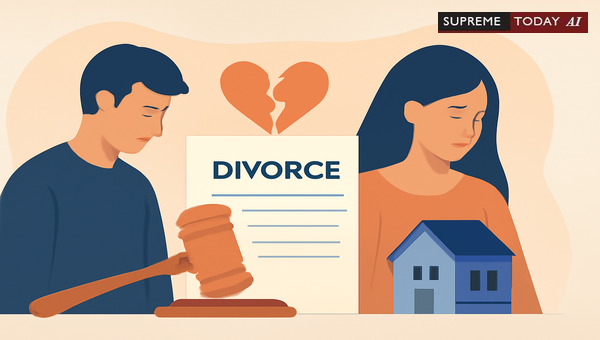
Rejected Cruelty Charges Against Husband: Effect on Maintenance Claims?
In the complex world of Indian matrimonial law, disputes often involve overlapping criminal and civil proceedings. A common scenario arises when a wife files charges of cruelty against her husband under provisions like or the . If these charges are rejected or the husband is acquitted, what happens to her pending maintenance claim under of the CrPC based on the same allegations?
This question—Effect of Rejection of Charges of Cruelty against Husband Upon Pending Claim under on same Allegations—is pivotal for many families navigating separation. While a rejection in criminal proceedings does not automatically bar a civil maintenance claim due to differing standards of proof ( vs. ), repeated or frivolous filings can have significant repercussions. Specifically, they may amount to by the wife, providing grounds for the husband to seek divorce. This post delves into judicial precedents, key findings, and practical insights.
Main Legal Finding: Repeated Litigations as
Courts have consistently held that multiple criminal cases or litigations filed against a husband after a long gap following marriage can constitute valid grounds for cruelty, particularly , justifying divorce—especially when they demonstrate a pattern of harassment, reputation damage, or mental distress. 2023 4 Supreme 492 2005 1 Supreme 626
This principle is crucial in understanding the ripple effects of rejected cruelty charges. Even if the wife's claim proceeds independently, the husband's defense can highlight these filings as evidence of cruelty, potentially leading to divorce proceedings under the .
Key Points from Judicial Precedents
- Repeated filing of criminal cases or litigations against the husband after a long period of separation or marriage can amount to .2023 4 Supreme 492 2005 1 Supreme 626
- The pattern of conduct, including acts that cause mental pain, distress, or damage to reputation, is relevant to establishing cruelty.2023 4 Supreme 492 2005 1 Supreme 626 2023 0 Supreme(P&H) 3419
- Long-term separation itself, coupled with ongoing litigation and harassment, can be inferred as acts of cruelty, particularly , rendering the marriage .2023 4 Supreme 492 2002 4 Supreme 596 1978 0 Supreme(Raj) 38
Detailed Analysis: How Repeated Litigation Constitutes Cruelty
Repeated Litigation and Harassment as Cruelty
Persistent and repeated criminal or civil proceedings by one spouse against the other, especially over a prolonged period, are regarded as acts of cruelty. For instance, the court in 2023 4 Supreme 492 noted that repeatedly filing of criminal cases by one party against other in a matrimonial matter would amount to cruelty. Similarly, 2023 0 Supreme(P&H) 3419 observes that filing of false and frivolous complaints against the spouse and his family, and multiple proceedings, can be acts of .
When cruelty charges against the husband are rejected, this strengthens arguments that the complaints were baseless, escalating them into evidence of harassment. Such a pattern causes ongoing mental distress, which courts recognize as divorce grounds.
Pattern of Conduct and
is established through sustained unjustifiable conduct and behavior of one spouse actually affecting physical and mental health of the other spouse, as held in 2005 1 Supreme 626. Acts causing mental pain, reputation damage, or constant harassment suffice. 2023 4 Supreme 492 2002 4 Supreme 596 2023 0 Supreme(P&H) 3419
Additional sources reinforce this: Multiple Court Cases & Long Separation—the existence of multiple legal disputes over extended periods (often 25 years or more) and long separation are strong indicators of marriage breakdown, constituting cruelty. Courts note that continuing such marriages inflicts cruelty. 2023 Supreme(Online)(DEL) 8157 2024 Supreme(Online)(MP) 43298 2024 Supreme(Online)(MAD) 37350 2024 Supreme(Online)(AP) 16619
Effect of Legal Harassment: Misuse of legal processes to harass or cause mental agony crosses into cruelty. 2025 Supreme(Online)(ORI) 273
Long Separation and Its Implications
Long-term separation combined with litigation is deemed . In 2002 4 Supreme 596, the court observed that long separation and ongoing disputes lead to irreparable marriage and mental suffering. 1978 0 Supreme(Raj) 38 echoes this, where over 16 years' separation inferred and irretrievable breakdown.
From other precedents, Irretrievable Breakdown & Cruelty: Long separation, no cohabitation, and persistent disputes signal breakdown; combined with cruelty, it justifies divorce. 2023 Supreme(Online)(DEL) 9030 2024 Supreme(Online)(AP) 16619INDALL_2024_AHC_4946_2024_AHC_4946
In 2024 Supreme(Online)(ALL) 170, a desertion claim against the husband failed, but divorce was granted on cruelty grounds, emphasizing treatment with cruelty post-marriage.
Exceptions and Limitations
Not all litigation qualifies as cruelty. Courts assess if allegations are grave, weighty, and make cohabitation unreasonable. 2014 0 Supreme(SC) 700 2013 0 Supreme(HP) 717 Isolated incidents or trivial disputes do not count; persistence and gravity matter. Unilateral Decisions & Acts of Cruelty, like unfounded allegations (e.g., impotency), also qualify as . 2024 Supreme(Online)(MP) 43298 2020 Supreme(Online)(MP) 3481 2025 Supreme(Online)(Chh) 7932
Regarding specifically, rejection of criminal charges typically does not preclude maintenance claims, as civil remedies focus on the wife's needs. However, proven falsity can influence credibility and quantum.
Practical Recommendations
- Document evidence: Husbands facing repeated cases should record filings, rejections, and their mental impact to substantiate cruelty claims.
- Seek divorce proactively: Where patterns exist, file for divorce citing and irretrievable breakdown.
- Consider mediation: Long separations with litigation often warrant counseling or settlement to avoid prolonged agony.
- Understand nuances: Maintenance claims may proceed, but husbands can counter with cruelty defenses in linked proceedings.
Specific Grounds & Judicial Precedents: cases like and Naveen Kohli affirm false allegations and prolonged separation as cruelty.
Conclusion and Key Takeaways
In summary, while rejection of cruelty charges against a husband may not directly terminate a wife's claim on identical allegations, it bolsters the husband's case that such actions reflect via harassment and false complaints. Courts view multiple cases after long marital gaps as valid divorce grounds, especially with separation. 2023 4 Supreme 492 2002 4 Supreme 596 2023 0 Supreme(P&H) 3419
Key Takeaways:- Repeated litigations = pattern. 2023 4 Supreme 492- Long separation + disputes = irretrievable breakdown. 2002 4 Supreme 596- False complaints damage reputation, justify divorce. 2023 0 Supreme(P&H) 3419
This article provides general information based on judicial trends and is not legal advice. Consult a qualified family lawyer for case-specific guidance. Laws evolve, and outcomes depend on facts.
#FamilyLawIndia, #MentalCruelty, #DivorceGrounds















