


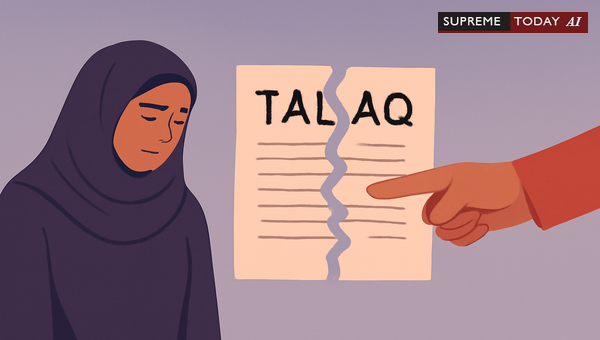
Sexual Assault Without : Legal Risks in India
In the complex interplay of personal laws and criminal statutes in India, questions around marital rights and obligations often arise, especially in Muslim contexts. A poignant query that highlights this tension is: Bina Ke Dekar Dekar Bala Ka Balatkar Karna—translating roughly to the act of repeatedly committing sexual assault (balatkar) on a woman named Bala without granting a formal divorce (). This issue probes whether marital status offers immunity from criminal liability for non-consensual sexual acts.
This blog post delves into the legal framework, drawing from established principles under the and Islamic . While remains a debated topic, the law provides clear boundaries on and assault. Note: This is general information and not specific legal advice. Consult a qualified lawyer for personalized guidance.
Understanding Under Islamic
, the unilateral right of a Muslim husband to dissolve marriage, is governed by specific Islamic guidelines and increasingly by judicial oversight in India. For to be valid:
- It must be pronounced with clear intent, communicated to the wife, and followed by reconciliation attempts via family arbitrators. 2002 0 Supreme(Bom) 442 2002 7 Supreme 39
- must be for a reasonable cause and preceded by efforts at reconciliation; otherwise, it may be invalid. 2002 7 Supreme 39 2017 0 Supreme(Bom) 2179
- Improper forms like -e-Biddat () are sinful and potentially legally ineffective if challenged, especially post the . 2002 0 Supreme(Bom) 442
Without a valid , the marital bond persists legally, but this does not grant unchecked rights over the spouse's body. Courts emphasize that marriage does not imply perpetual .
Sexual Assault (Balatkar) Under
The cornerstone of protection against sexual assault is , which criminalizes rape and aggravated forms thereof. Key points:
- Sexual assault is punishable regardless of marital status. 1979 0 Supreme(SC) 43
- Non-consensual acts, even within marriage, can qualify as rape if involving force, coercion, or lack of free .
- Punishment ranges from 7 years to life imprisonment, underscoring its gravity.
In the context of the query, bina (without divorce), a husband cannot claim immunity. If the act involves coercion or violence—described as dekar dekar (repeatedly)—it falls squarely under criminal law. The law views such acts as violations of , not spousal privileges. 1979 0 Supreme(SC) 43
Application: No Immunity Without Valid
Applying these principles:
- Without formal , the husband remains legally married, but this status does not shield against assault charges. must be voluntary; coercion negates it.
- Repeated acts (dekar dekar) aggravate the offense, potentially invoking enhanced penalties under IPC provisions.
- Courts have clarified that exceptions are narrow and do not cover violent or non-consensual acts. 1979 0 Supreme(SC) 43
Related case insights reinforce this. For instance, in matters involving assault on women, courts have addressed under , noting that physical harassment, disrobing, or abusive language in disputes (e.g., land conflicts) constitutes offenses. 2021 0 Supreme(Del) 617 One judgment states: Petitioner was physically harassed and disrobed using sexual language, abused by caste and dirty words, dragging her from land... This highlights zero tolerance for coercive acts, even in personal disputes. 2021 0 Supreme(Del) 617
Broader Context from Judicial Precedents
Indian courts consistently prioritize criminal law over defenses in assault cases. While other sources mention tangential matters like eviction suits or service dismissals, relevant parallels emerge in women’s protection:
In a case under , allegations of assault to outrage modesty were examined alongside defamation claims. The court dismissed bundled complaints lacking merit but affirmed legal procedures for grievances. 2021 0 Supreme(Del) 617 Quote: Contents of telecast... only show the grievance of respondents for which they made a complaint to concerned SP and informed same to the press - Since this is the complaint of the respondents... same cannot amount to an offence of defamation. This underscores pursuing remedies through proper channels, applicable to assault victims. 2021 0 Supreme(Del) 617
Eviction and property disputes sometimes intersect with personal allegations, but courts reject improper claims. For example, a suit was dismissed where plaintiffs lacked landlord status under , emphasizing proper legal standing—mirroring validity requirements. 1995 0 Supreme(Pat) 485
These precedents illustrate that invalid procedures (like improper ) invite challenges, much like flawed eviction or departmental actions. 2002 0 Supreme(Jhk) 1114 In one service law case: dismissal order passed in when criminal proceeding... was pending – petitions acquitted in – petition allowed. 2002 0 Supreme(Jhk) 1114 This shows criminal proceedings' precedence.
Challenges and Evolving Law on
Debate persists on explicit criminalization, but current law protects against non-consensual violence. Victims can file FIRs under IPC 376, seek protection orders under the , or pursue maintenance/divorce.
Factors influencing cases:- Evidence of non-: Coercion, injury, or repetition strengthens claims.- documentation: Proper arbitration and notice prevent disputes. 2002 7 Supreme 39- Interim relief: Courts may grant protection during proceedings.
Recommendations for Navigating Such Situations
To avoid legal pitfalls:
- Seek legal counsel early: Family courts handle validity; police/courts manage criminal complaints.
- Document everything: Pronouncements, witnesses, and reconciliation efforts are crucial. 2002 0 Supreme(Bom) 442
- Reconciliation first: Islamic law mandates it; courts favor it. 2002 7 Supreme 39
- Support for victims: Helplines like 181 (women's helpline) or provide aid.
Key Takeaways
- No legal shield: Sexual assault without valid attracts IPC 376 liability. 1979 0 Supreme(SC) 43
- rigor: Must follow procedures or risk invalidity. 2002 0 Supreme(Bom) 442 2002 7 Supreme 39
- Victim rights: is paramount; coercion is criminal.
This analysis highlights the supremacy of criminal law in protecting dignity. As laws evolve, staying informed is key. For tailored advice, consult a legal expert.
#MaritalRapeLaw, #TalaqValidity, #IPC376












