


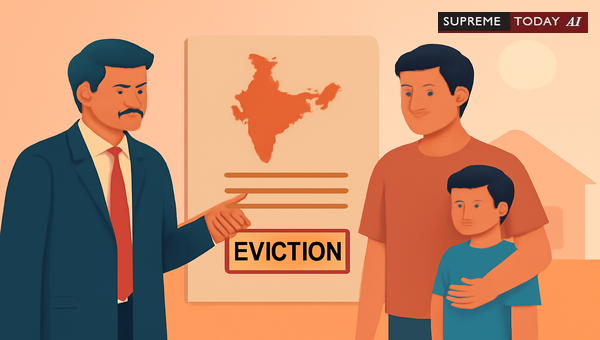
Can a Son Be a Subtenant? Indian Rent Control Guide
Introduction
In the complex world of Indian rent control laws, tenants often face questions about who can occupy rented premises without violating subletting rules. A common dilemma arises: Can a son be a subtenant of the tenant in the premises? This issue frequently leads to disputes between tenants, landlords, and courts, potentially resulting in .
This blog post dives deep into the legal principles, case laws, and factors that determine whether a son's occupation constitutes subletting. Drawing from established precedents and statutory provisions, we'll clarify when a son is treated as a family member (not a subtenant) versus an . Note: This is general information based on legal precedents and not specific legal advice—consult a qualified lawyer for your situation.
Understanding Under Indian Rent Control Laws
typically occurs when a tenant of the premises by allowing a third party to occupy it exclusively, often for rent, without the landlord's consent. Various state Rent Control Acts, such as the and , prohibit as a ground for eviction.
However, courts have carved out exceptions for family members. If the occupant is a family member residing with the tenant, it generally does not amount to subletting, as the tenant retains control over the premises. For instance, if a tenant allows a family member to occupy the premises, it does not constitute subletting [
#RentControlIndia, #TenantRights, #SublettingLaws












