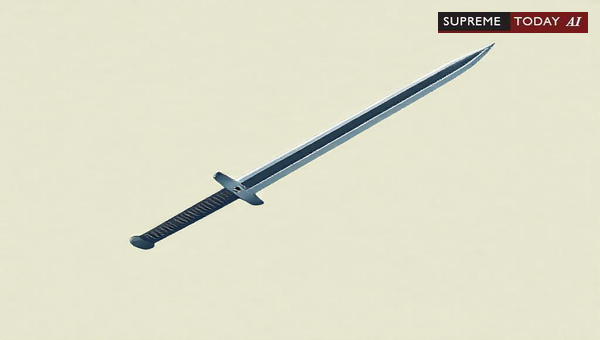
Is a Stick Considered a Weapon Under the Arms Act?
In India, the Arms Act, 1959 regulates the possession, use, and carrying of arms and ammunition. But what about everyday items like a stick? The question Is a Stick Considered a Weapon under the Arms Act often arises in legal disputes involving ordinary objects used in altercations. While a plain walking stick might seem harmless, courts have scrutinized modified versions like sword-sticks, emphasizing context, design, and intent.
This post breaks down the legal definition of 'arms,' examines key judgments, and highlights when a stick crosses into regulated territory. Note: This is general information based on case law, not legal advice. Consult a lawyer for specific situations, as outcomes depend on facts.
What Does the Arms Act Say About 'Arms'?
The Arms Act, 1959, defines 'arms' under Section 2(c) as:
arms means articles of any description designed or adapted as weapons for offence or defence, and includes firearms, sharp-edged and other deadly weapons... (excluding articles designed solely for domestic or agricultural use such as a lathi or an ordinary walking stick)
Ankena Narayana VS State of Andhra Pradesh
Key points:- Designed or adapted: A stick isn't automatically an arm unless modified for attack/defense.- Exclusions: Ordinary walking sticks or lathis (domestic/agricultural tools) are typically exempt.- Prohibited arms: Under Section 2(1)(i) and notifications under Section 4, certain weapons require licenses regardless of area. 1981 0 Supreme(All) 134
Courts interpret this broadly. Even defective firearms qualify if they fit the description. Similarly, sticks with hidden blades raise red flags. 2007 0 Supreme(AP) 713
Sword-Stick: The Classic 'Stick' Case Under Arms Act
A landmark early case addressed whether a sword-stick is an 'arm':
Does a sword-stick come within the definition of the word arms? ... It appears to us that a sword-stick is a sword sheathed in a cane stick... whatever can be used as an instrument of attack or defense for cutting as well as for thrusting, and is not an ordinary implement for domestic purposes, comes within the meaning of the 'arms' under the statute. 1907 0 Supreme(Cal) 159
Findings:- Accused carried a sword-stick without a license.- Court convicted under Section 19(e) but imposed a nominal fine (Rs. 1), considering lack of knowledge.
This ruling established that disguised weapons like sword-sticks are 'arms,' not mere sticks. Possession without license violates the Act, even if not used. 2025 Supreme(Online)(Ker) 57417
Modern Interpretations of Sticks and Blades
Recent cases refine this:- Sword as prohibited arm: Conviction under Section 25 requires proof it's 'prohibited' via notification. No evidence? Acquittal. 2018 Supreme(Online)(Chh) 781 and 2018 Supreme(Online)(KER) 2953- Gandasa (sharp-edged weapon): Not prohibited without Section 4 notification. Prosecution failed due to lack of evidence. 2014 Supreme(Online)(Chh) 160- Sword-stick recovery: Prosecution under Section 27 invalid if area not notified under Section 4. 2025 Supreme(Online)(Ker) 57417
Plain sticks rarely trigger the Act unless adapted (e.g., sharpened or concealed blade).
Conscious Possession: Key to Arms Act Convictions
Even if an item is an 'arm,' courts require conscious possession:
the possession of a firearm... must have an element of conscious possession in the person charged with such offence...
Rasleen Kaur @ Rasleen Gulati VS State (Govt. of NCT of Delhi)
Examples:- Bullets in baggage: Wife unaware of husband's licensed ammo in her bag—FIR quashed. No intent.
Rasleen Kaur @ Rasleen Gulati VS State (Govt. of NCT of Delhi)
- No firearm recovered: Petitioners not in 'conscious possession' of cartridges—proceedings quashed. 2020 0 Supreme(Del) 1202- Unused weapons: No evidence of use under Section 27(2)—anticipatory bail granted. 2015 Supreme(Online)(KER) 43546For sticks: Mere carrying isn't enough. Proof of knowledge and intent to use as weapon is crucial. 1924 0 Supreme(Mad) 845
Broader Contexts: Deadly Weapons and Exceptions
Sticks appear in murder cases as potential arms:- Sword-stick in homicide: Used in coordinated attack signals common intention to kill, not private defense. 2023 0 Supreme(Bom) 1775- Non-working guns: Still 'arms' under Section 2(c)—defect irrelevant if designed as weapon.
Ankena Narayana VS State of Andhra Pradesh
2007 0 Supreme(AP) 713Dummy weapons for films? Not 'arms'—incapable of real use. Rejection of permits quashed. 2025 Supreme(Online)(MAD) 14369
Prohibited vs. Non-Prohibited:| Type | Examples | License Needed? ||------|----------|-----------------|| Prohibited | Automatic firearms, notified blades >9 2005 7 Supreme 581 | Always, per notification || Non-Prohibited | Semi-auto pistols, ordinary sticks | Generally no, unless adapted || Exempt | Lathis, walking sticks for domestic use | No |
Natural Justice and Procedural Safeguards
Arms Act cases often intersect with natural justice principles:- Hearings before license revocation or impounding. 1978 0 Supreme(SC) 29- Reasons must support administrative actions. 1990 0 Supreme(SC) 471
In tender disputes, excluding bidders without hearing violated principles. 1994 0 Supreme(SC) 697
Key Takeaways for Sticks Under Arms Act
- Ordinary stick? Typically not a weapon—excluded as domestic implement.
Ankena Narayana VS State of Andhra Pradesh
- Sword-stick or modified? Yes, 'arms' requiring license. 1907 0 Supreme(Cal) 159
- Context matters: Intent, area notification (Section 4), and possession proof essential. 2025 Supreme(Online)(Ker) 57417
- No use = weaker case: Absent evidence of wielding, convictions falter. 2015 Supreme(Online)(KER) 43546
Practical Advice:1. Avoid modifying sticks into weapons.2. In notified areas, even sharp tools may need licenses.3. If charged, challenge lack of 'conscious possession' or notification.4. Seek legal help—courts often reduce sentences for first offenses or ignorance.
Conclusion
A plain stick is generally not considered a weapon under the Arms Act, thanks to explicit exclusions for domestic items. However, sword-sticks and adapted versions qualify as 'arms,' as affirmed in historic and modern rulings. Legal outcomes hinge on design, intent, and evidence—highlighting the Act's focus on preventing misuse.
Disclaimer: Laws evolve, and cases vary. This analysis draws from precedents like 1907 0 Supreme(Cal) 159,
Ankena Narayana VS State of Andhra Pradesh
, and others. For personalized guidance, contact an Indian criminal lawyer. Stay informed, stay compliant.