


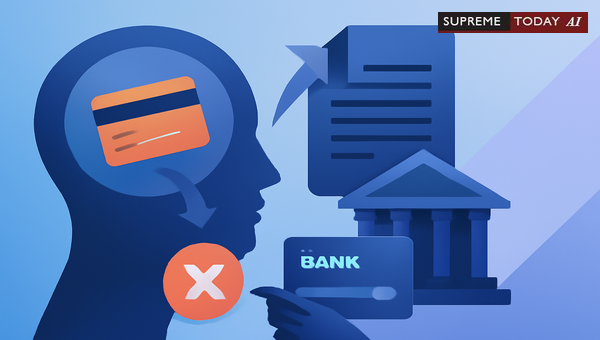
What Is Shadow Credit in Banking? A Comprehensive Guide
In today's digital age, unauthorized electronic transactions can strike without warning, leaving customers scrambling for recourse. If you've ever wondered, What is Shadow Credit Banking Term?, you're not alone. This term often surfaces in disputes over fraudulent debits, referring to a critical banking mechanism known as or provisional crediting. It acts as a safeguard, allowing banks to temporarily credit back disputed amounts while investigations unfold.
This blog post dives deep into the definition, procedures, legal framework, and real-world implications of shadow credit. Drawing from RBI guidelines and key legal cases, we'll clarify how it works, its differences from broader concepts like shadow banking, and tips for consumers. Note: This is general information, not legal advice. Consult a professional for your specific situation.
Understanding Shadow Credit: Definition and Core Concept
Shadow credit, frequently termed in banking parlance, is the process by which a bank credits () the amount involved in the to the customer's account upon notification. This is to be as of the date of the unauthorised transaction, providing immediate relief without admitting final liability.
AWADHESH SINGH vs AND 2 OTHERS -
Unlike permanent reversals, shadow credit is temporary. Banks typically complete this within 10 working days of customer notification, though they retain discretion to waive liability even in negligence cases. 2025 Supreme(Online)(Megh) 463 It ensures customers aren't left out-of-pocket during probes into fraud or errors.
Key Features of Shadow Credit
- Immediate Action: Triggered by customer complaint; no need for full proof upfront.
- Value Dating: Credit reflects the original transaction date to avoid interest losses.
- Bank Discretion: Institutions may freeze or block funds instead if investigations warrant. 2025 Supreme(Online)(Ker) 50284
- Regulatory Backing: Governed by RBI directives on electronic transactions and customer liability.
This mechanism balances customer protection with banks' need for due diligence, preventing abuse while fostering trust.
Shadow Credit vs. Shadow Banking: Clearing the Confusion
While shadow credit focuses on remedial crediting in traditional banking, shadow banking describes a broader ecosystem of unregulated financial activities mimicking banks—think hedge funds, P2P platforms, and money market funds performing outside .
| Aspect | Shadow Credit | Shadow Banking ||---------------------|----------------------------------------|-----------------------------------------|| Scope | Remedial crediting for unauthorized txns | Non-bank credit intermediation, liquidity provision || Entities | Regulated banks handling disputes | Hedge funds, SIVs, P2P lenders || Regulation | RBI timelines and banking laws | Regulatory gray area, systemic risks || Risks | Localized (e.g., impact) | Systemic (leverage, crises) |
Shadow credit operates within formal banking, addressing operational glitches, whereas shadow banking evades traditional oversight. Understanding this distinction is vital for regulators and consumers alike.
Operational Procedure: How Shadow Credit Works Step-by-Step
- Customer Notification: Report unauthorized transaction immediately to the bank.
- Bank Acknowledgment: Institution verifies claim and initiates .
- : Amount credited back, value-dated to transaction day. On being notified by the customer, the bank shall credit () the amount involved... The credit shall be to be as of the date of the unauthorised transaction.
AWADHESH SINGH vs AND 2 OTHERS -
- Investigation: Bank probes within 90 days (RBI norm); funds may be clawed back if fraud is customer-linked.
- Resolution: Liability waived or adjusted; no customer loss in genuine cases.
Banks cannot release disputed funds without consent or court order, ensuring procedural integrity. 2025 Supreme(Online)(Ker) 50284
Legal and Regulatory Framework
RBI mandates underscore shadow credit's role in consumer protection under the and electronic transaction guidelines. Key cases illuminate its application:
- Score Impacts: Unauthorized debits creating shadow accounts harmed credit profiles. Due to this shadow account, the Complainant’s score has been reduced which reflected the name of the Complainant and it resulted in rejection of Credit Card by the Opposite Party Bank and other Banks. 2025 Supreme(Online)(SCDRC) 3733
- Ombudsman Interventions: Complaints to often resolve delays, as seen when replies blamed complainants post-shadow issues. 2025 Supreme(Online)(SCDRC) 3733
- Facility Disputes: In loan contexts, shadow-like crediting ties to broader facilities like term loans and letters of credit.
- 2021 Supreme(Online)(MAD) 8575
vs M/S.OLYMPIC CARDS LIMITED -
- International Angles: U.S. cases note assignments in term loans involving banking, highlighting global parallels. 2023 Supreme(US)(ca2) 179
- Repayment Plans: Cash credit and term loan facilities allow structured resolutions post-shadow adjustments. 2025 Supreme(Online)(KER) 8256
These precedents emphasize transparency, timelines, and borrower safeguards, indirectly informing shadow credit practices.
Practical Implications and Risks for Customers
Benefits
- Financial Relief: Quick access to funds during disputes.
- Liability Caps: RBI limits customer exposure (e.g., zero if notified within 3 days).
Risks and Challenges
- Credit Score Damage: Lingering shadow accounts tank , blocking loans/credit cards. 2025 Supreme(Online)(SCDRC) 3733
- Investigation Delays: Provisional credits may reverse if negligence proven.
- Fraud Proliferation: Unregulated P2P or informal lending blurs into shadow credit risks.
Pro Tip: Document everything—screenshots, timestamps—and escalate to Ombudsman if unresolved.
Conclusion: Key Takeaways on Shadow Credit
Shadow credit banking term encapsulates , a vital RBI-backed tool for rectifying unauthorized electronic transactions through provisional crediting. It offers swift protection but demands prompt reporting to mitigate hits or reversals.
- Act Fast: Notify banks immediately for value-dated credits.
- Know Your Rights: Leverage RBI timelines and ombudsman support.
- Monitor Credit: Check regularly post-dispute.
While distinct from expansive shadow banking, both highlight the need for robust regulation. Stay informed to navigate banking pitfalls effectively.
This post references general legal insights; seek tailored advice from a lawyer or financial advisor.
References
AWADHESH SINGH vs AND 2 OTHERS -
2025 Supreme(Online)(SCDRC) 3733- 2021 Supreme(Online)(MAD) 8575
vs M/S.OLYMPIC CARDS LIMITED -
2023 Supreme(US)(ca2) 179 2025 Supreme(Online)(KER) 8256 2025 Supreme(Online)(Megh) 4632025 Supreme(Online)(Ker) 50284














