


Can Universities Unreasonably Hike Affiliation Fees with Tuition?
In the dynamic landscape of higher education in India, students and affiliated colleges often face rising costs. A common concern is: Can Universities Hike Affiliation Fee Unreasonably with Hiking Tuition Fee Chargeable from Students? This question arises as universities adjust fees to cover operational expenses, infrastructure, or regulatory compliance. However, affiliation fees—mandatory payments from colleges to universities for recognition and oversight—are not arbitrary commercial charges. They are typically tied to like quality regulation. This post delves into the legal framework, GST implications, judicial precedents, and practical guidance, drawing from key court rulings and notifications.
While fee structures may evolve, courts emphasize reasonableness, statutory limits, and exemptions from taxes like GST. Note: This is general information based on precedents; consult a legal expert for specific advice.
Understanding Affiliation Fees: Statutory vs. Commercial
Affiliation fees are collected by universities from colleges for granting recognition, inspection, and ongoing monitoring. These ensure compliance with standards under university acts, such as the , or state-specific laws. Unlike tuition fees charged directly to students, affiliation fees fund regulatory functions, not core teaching.
Courts have consistently ruled that such fees are and statutory, performed in discharge of . For instance, educational activities, including affiliation, do not constitute business or under the . 2025 0 Supreme(Bom) 861 The court observed: Educational activities are not commercial in nature and thus do not fall under the definition of 'business' as per the . 2025 0 Supreme(Bom) 861
Hikes in these fees must align with statutory provisions or university regulations. Unreasonable increases—lacking justification like inflation, infrastructure upgrades, or legislative backing—may invite challenges under (equality) or as .
Key Factors Influencing Fee Hikes
- Statutory Caps: Many university acts specify fee schedules or revision processes. Late payments can lead to affiliation denial, as seen where a college's delay in remitting fees resulted in rejection. 2022 0 Supreme(Mad) 2478
- Timely Compliance: Courts uphold rejections for delayed fees, directing payment per demand statements. The petitioner college was directed to remit the affiliation fees as specified in the demand statement immediately for grant of affiliation. 2022 0 Supreme(Mad) 2478
- Private Institutions' Rights: Fully private colleges have the right to choose affiliations, subject to regulations. Mandatory affiliation to a specific university may violate and 19(1)(d). 2016 0 Supreme(P&H) 1067
GST Exemption on Affiliation Fees: A Core Protection
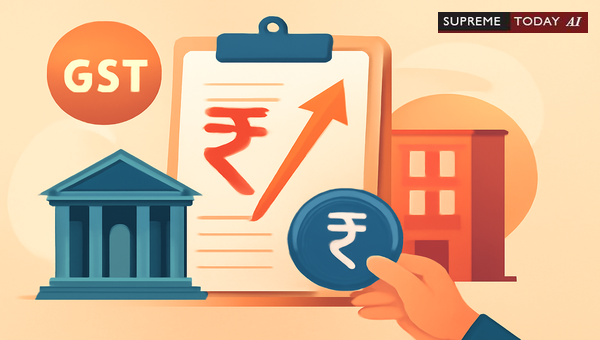
A major relief for institutions is the GST exemption on affiliation fees. These are exempt as per Notification No. 12/2017-CT (R) dated , covering statutory educational services. The Supreme Court in Madurai Kamaraj University and Sahitya Mudranalaya affirmed that affiliation is part of the educational process, not commerce. 2025 0 Supreme(Bom) 861
Even circulars like those dated and attempting to tax these fees were invalidated if contradicting notifications. The circulars cannot take away the effect of the notification statutorily issued. The circular cannot whittle down the scope of the exemption notification. 2025 0 Supreme(Bom) 861
Contrasting views exist; some rulings hold inspection and affiliation fees taxable absent explicit exemption. 2025 Supreme(Online)(Tel) 15616 However, predominant judicial support favors exemption for core regulatory fees. 2025 Supreme(Online)(Del) 7168 The quashed GST notices on affiliation fees, reinforcing exemptions. 2025 Supreme(Online)(Del) 7168
Exceptions:- Non-educational income (e.g., leasing, canteens) may attract GST.- Delayed or disputed fees could trigger demands, but challengeable via precedents. 2024 0 Supreme(Kar) 349
Judicial Precedents on Fee Reasonableness and Affiliation
Courts scrutinize fee hikes for arbitrariness:- Timeliness Matters: A college depositing fees late (July to December) had funds treated for the next session; no illegality found, but inspection ordered expeditiously. 2014 0 Supreme(MP) 865 Admittedly, the petitioner's College did not deposit the affiliation fees in July 2013. In the circumstances, the action of the respondents... cannot be said to be illegal. 2014 0 Supreme(MP) 865- No Retrospective Affiliation: Colleges admitting students pre-affiliation risk denial; fees alone don't grant . 2023 0 Supreme(Pat) 388- State Powers Limited: Governments can't bypass university acts for permissions; affiliations follow -like provisions. 1984 0 Supreme(Kar) 255- Choice in Affiliation: Private institutions can't be forced into specific universities, protecting against exploitative fee structures. When the college is completely privately run... it has right to affiliate itself with a university of choice. 2016 0 Supreme(P&H) 1067
In GST-specific challenges, universities successfully argued against demands on fees from affiliated colleges. 2024 Supreme(Online)(Ker) 76948
Balancing Hikes with Tuition Fees
Universities often link affiliation and tuition hikes, but tuition (student-facing) differs from affiliation (college-to-university). Tuition hikes face fee regulatory committees under / guidelines, capping increases. Affiliation fees, being regulatory, may rise per bylaws but must be transparent.
Unreasonable hikes—e.g., disproportionate to services or ignoring inflation indices—can be contested via . Integration with tuition doesn't alter their statutory character, preserving GST exemptions.2025 0 Supreme(Bom) 861 2024 0 Supreme(Kar) 349
Practical Recommendations for Colleges and Students
- Verify Statutory Basis: Check university acts/calendars for fee schedules before challenging hikes.
- Timely Payments: Avoid affiliation lapses; courts rarely grant equity for delays. 2022 0 Supreme(Mad) 2478
- Challenge GST Demands: Cite Notification 12/2017 and rulings like 2025 0 Supreme(Bom) 861 for exemptions.
- Documentation: Maintain records proving fees' statutory use to defend assessments.
- Seek Alternatives: Private colleges may explore affiliations offering better value. 2016 0 Supreme(P&H) 1067
Key Takeaways
Universities can revise affiliation fees, but hikes must be reasonable, statutory-backed, and non-arbitrary. They remain GST-exempt as activities, shielding institutions from dual burdens. While timely compliance is crucial, judicial safeguards protect against overreach. Precedents affirm: statutory functions prioritize public interest over profit. 2025 0 Supreme(Bom) 861
Stay informed on notifications and circulars, as they evolve. For personalized guidance amid fee pressures, professional legal counsel is advisable—this overview draws from established cases but isn't advice.
References:- 2025 0 Supreme(Bom) 861: Core judgment on GST exemption.- 2024 0 Supreme(Kar) 349: Exemption for educational services.- Additional insights from 2025 Supreme(Online)(Del) 7168, 2022 0 Supreme(Mad) 2478, 2016 0 Supreme(P&H) 1067, etc.
#AffiliationFees #EducationLaw #GSTExemption












