
 Back
Back





IN THE HIGH COURT OF JUDICATURE AT BOMBAY AURANGABAD BENCH
RAJNISH R. VYAS, J.
Subhash Mahadu Mahajan – Appellant
Versus
State of Maharashtra – Respondent
Criminal Appeal No. 848 of 2025, Criminal Application No. 4193 of 2025
Decided On : 07-03-2026
| Table of Content |
|---|
| 1. appeal challenges ndps cannabis cultivation conviction. (Para 1 , 2) |
| 2. lack of proof that accused cultivated shared land. (Para 3 , 4 , 19) |
| 3. raid procedure from information to charge framing. (Para 5 , 6 , 7 , 8 , 9 , 10) |
| 4. section 20 punishes cannabis plant cultivation. (Para 11 , 12) |
| 5. raid uncovers plants; accused identifies cultivation spot. (Para 13 , 14 , 15 , 16 , 17 , 18) |
| 6. cross-examination reveals lapses in ownership verification. (Para 20 , 21 , 22 , 23 , 24 , 25 , 26) |
| 7. witnesses confirm joint ownership; no specific cultivator link. (Para 27 , 28 , 29 , 30 , 31 , 32 , 33) |
| 8. cultivation requires planting and nurturing cannabis. (Para 34 , 35) |
| 9. no cultivation evidence warrants acquittal like alakh ram. (Para 36 , 37) |
| 10. precedents demand proof of exclusive possession. (Para 38 , 39 , 40 , 41 , 42 , 43) |
| 11. prosecution fails beyond reasonable doubt; appeal allowed. (Para 44 , 45 , 46) |
JUDGMENT :
RAJNISH R. VYAS, J.
1. This appeal, at the instance of the sole accused, challenges the judgment in Special Case No. 386/2022 passed by the learned Additional Sessions Judge-2, Aurangabad. The appellant was convicted of an offence punishable under Section 20 (a) (i) of the Narcotic Drugs and Psychotropic Substances Act, 1985, and sentenced to rigorous imprisonment for five years and a fine of Rs. 10,000/-. A default sentence of three months' simple imprisonment was also imposed upon the appellant.
2. Heard Mr Rehan Khan, along with Advocate Mr Al. Amoodi and Learned APP Ms Ghanekar, for the State, at length.
3. In short, it is the case of the prosecution that the appellant was cultivating Cannabis plants on Gut No. 29, which is an offence under the provisions of Section 20 of the Act of 1985. It is this conviction that the appellant assails through his lawyer, Mr Rehan Khan. Mr Khan has argued as follows:
i. There is nothing on record to prove that it was the appellant who was cultivating the land.
ii. The case has not been proved beyond a reasonable doubt.
4. Ms Ghanekar, learned APP, per contra, has submitted that the prosecution has proved the case beyond a reasonable doubt, and the accused has nowhere stated that the other owners of the property were cultivating / in possession of the property.
5. At this stage, it is necessary to mention that receipt of secret information has resulted in summoning the panchas, conducting the raid, informing the superior officers, submitting a letter to the Magistrate for certifying the inventory , drawing a spot panchnama, forwarding the material for chemical analysis and ultimately filing a chargesheet.
6. The first information report no. 0199/2022 was the trigger point that set criminal law in motion and, consequently, led to the filing of a chargesheet, as stated above.
7. Upon submission of the final report, the Special Court found a prima facie case against the accused, resulting in the framing of charges as per Exhibit 13-C dated 18.02.2023. The charge against the accused reads as follows:
“That you accused on 12.10.2022 at about 16.00 hours in your agricultural field, Gat No. 29, situated at Jarandi Village, Tq. Soygaon, District Aurangabad, found cultivating living plant of Ganja of different size and weighing in all 62 Kg 190 gram worth of Rs. 315950/- strong smelling, some damp moist, in contravention of the provisions and Rule of the NDPS Act, 1985 and you thereby committed an offence punishable U/s 20 (a) (i) of NDPS Act, and within cognizance of this court. And, I hereby direct that you be tried by me for the above-said charges.”
8. As the accused did not plead guilty, the prosecution examined all four witnesses, mentioned below :
A. List of prosecution witnesses :-
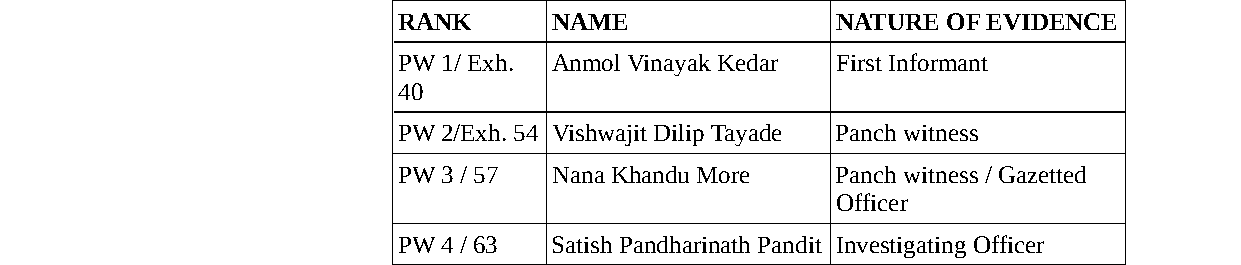
9. A total of twenty-eight documents were relied upon by the prosecution.
10. The accused neither entered the witness box nor examined any other witnesses, but when enquired under Section 313 Code of Criminal Procedure, more particularly in answer to question no. 36, he stated that the place from which the mat
AI
Prosecution must prove beyond reasonable doubt accused's active cultivation of cannabis on jointly owned land through evidence of possession and nurturing; mere presence or joint ownership insufficie....

The main legal point established in the judgment is that the prosecution must prove the accused's guilt beyond reasonable doubt, and failure to establish key elements of the alleged offense can resul....


Conviction for drug-related offences requires proof of knowledge and intent; mere ownership of property does not suffice for liability without substantial evidence.

The court emphasized the necessity of applying the correct standard of proof beyond reasonable doubt in drug-related cases, particularly where circumstantial evidence is involved.

The judgment established the importance of legally admissible evidence and the burden of proof in criminal cases.

The prosecution must prove beyond reasonable doubt that the accused cultivated prohibited plants, not merely that they were found on their property.


To convict under the NDPS Act for cannabis cultivation, it must be proven that the accused intentionally cultivated the plants, supported by proper evidence and segregation of the plants.



An indispensable Tool for Legal Professionals, Endorsed by Various High Court and Judicial Officers
Please visit our Training & Support
Center or Contact Us for assistance

Scan Me!
India’s Legal research and Law Firm App, Download now!


For Daily Legal Updates, Join us on :



 Back to top


