
 Back
Back





HIGH COURT OF CHHATTISGARH AT BILASPUR
Rajani Dubey, J.
Jaffer Sadik, S/o. Mohd. Molvik – Appellant
Versus
Union of India, through Central Bureau of Investigation - Respondent
CRA No. 493 of 2006, CRA No. 528 of 2006
Decided On : 10-03-2026
| Table of Content |
|---|
| 1. allegations against appellants regarding tender manipulation. (Para 2 , 3 , 8 , 11 , 12) |
| 2. witnesses and evidence presented in trial. (Para 4 , 5 , 10 , 14 , 15) |
| 3. arguments presented by appellants' counsels refuting charges. (Para 6 , 7 , 19) |
| 4. legal definitions and principles regarding conspiracy and corruption. (Para 20 , 21 , 22) |
| 5. conclusion and acquittal of appellants. (Para 24 , 25 , 26) |
JUDGMENT :
Rajani Dubey, J.
1. As both these appeals arise out of the impugned judgment of conviction and order of sentence dated 22.06.2006 passed by the learned Special Judge (C.B.I.) in Special Criminal Case No. 13/2004, they are heard analogously and are being disposed of by this common judgment. The trial court has convicted and sentenced the appellants as under :-
In CRA 493/2006
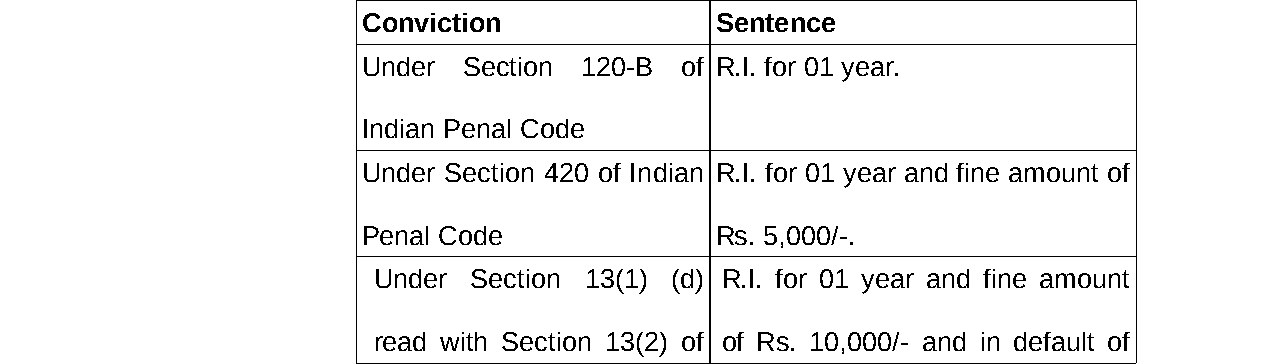

(All the substantive sentences are directed to run concurrently.)
In CRA No. 528/2006
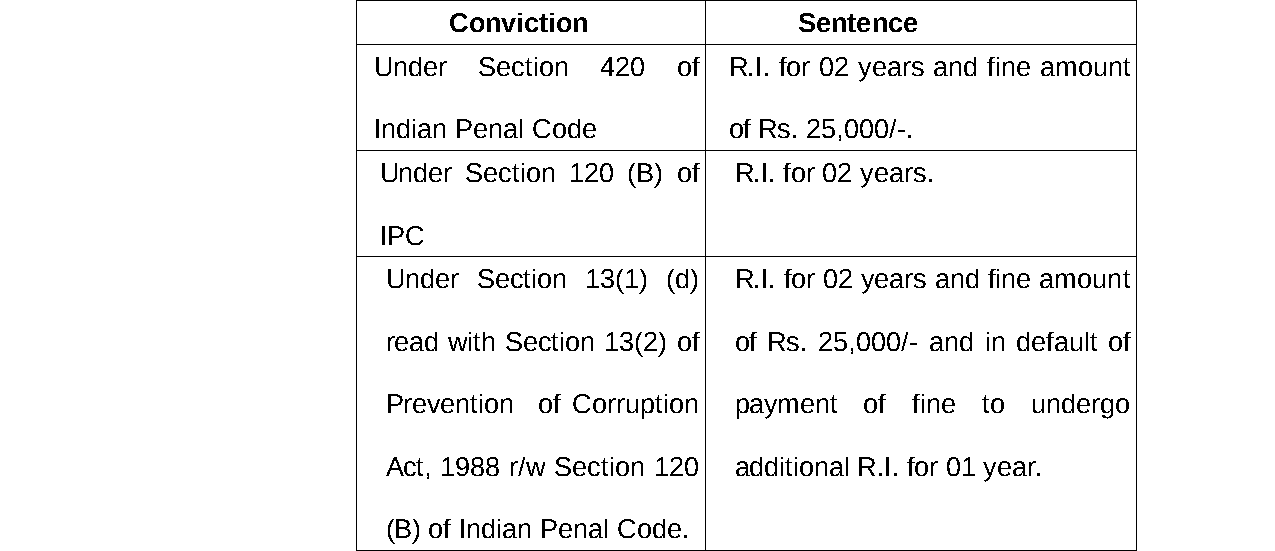
(All the substantive sentences are directed to run concurrently.)
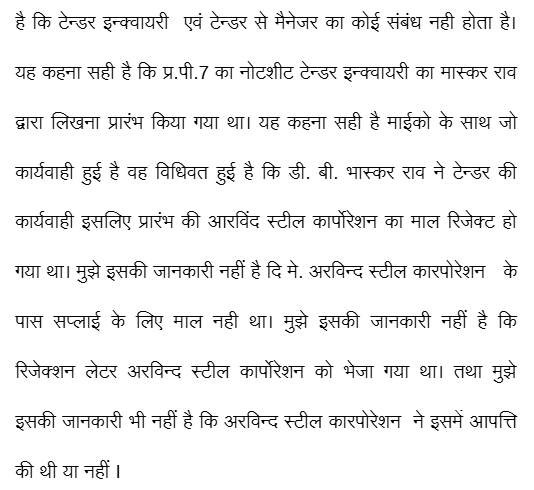
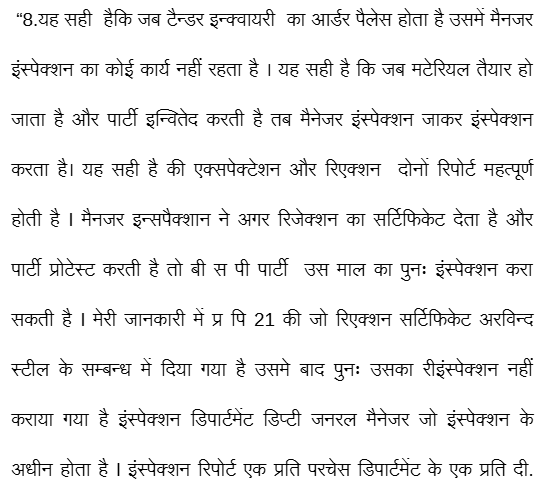
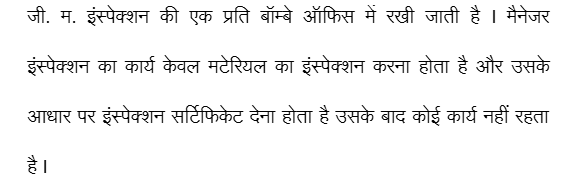
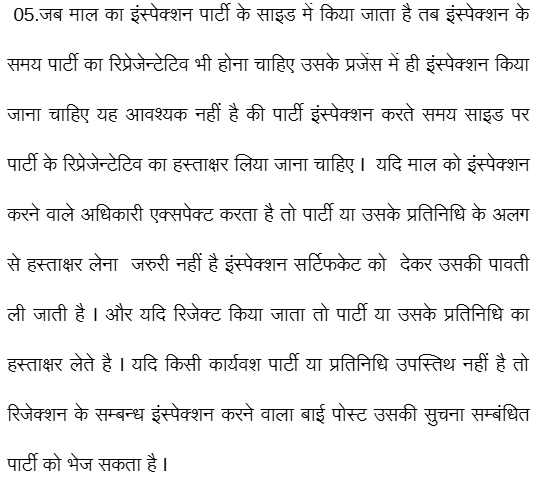
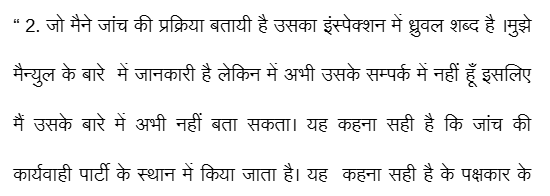
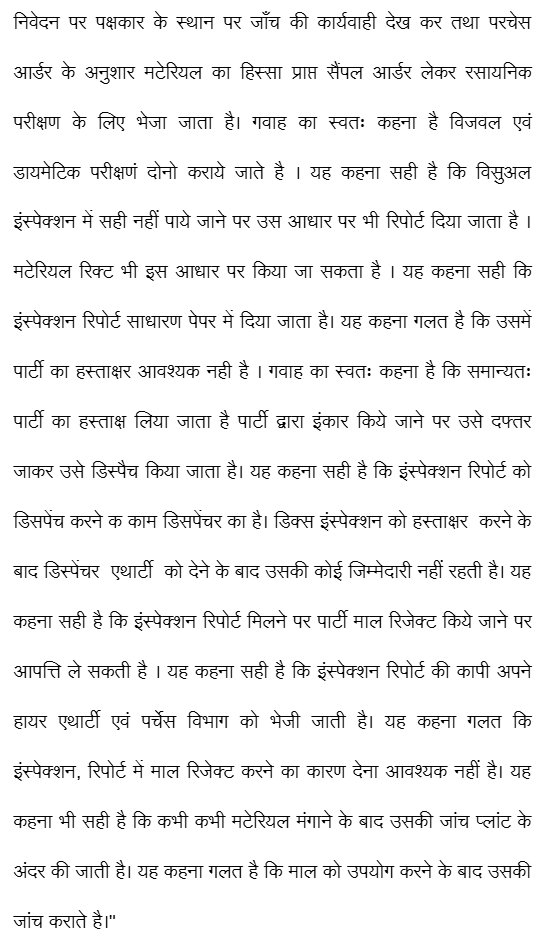
2. Brief facts of the case as adumbrated by the appellants is that the accused D.B. Bhaskar Rao (died during the pendency of the case) was resident of Bhilai Steel Plant at Bombay Office, the present appellant Jaffer Sadik was Manager (Inspection) Bhilai Steel Plant at Bombay Office and N.V. Krishnamurthy was General Manager (Material) Bhilai Steel Plant at Bhilai and the appellant Mahendra Pratap Chandra Shah was a working partner of M/s. Mico Metal Industries Ltd. Bombay. The main allegation/charge against the appellant Jaffer Sadik along with D.B. Bhaskar Rao (died) and N.V. Krishnamurthy is that they have rejected the material (seamless pipes) which was to be supplied by one M/s Arvind Steel Corporation, Bombay at a lower price i.e., @ Rs. 3330/- per meter and has accepted the material of a supplier namely M/s Mico Metal Industries at the price of Rs. 4495/- per meter and they swindled Bhilai Steel Plant for self-enrichment. Thereafter, on 06.07.1991, the Bhilai Steel Plant had placed an order to M/s. Arvind Steel Corporation, Bombay for purchase of 325 mtrs seamless pipes along with certificate of IBR (Indian Boiler Regulation) @ Rs. 3330/- per/mtr. However, it was alleged that M/s. Arvind Steel Corporation was not in a position to supply the material to the BSP, because of the ban of interstate IBR inspection facility by Maharashtra Government. It was alleged on 16.03.1992, the main accused D.B. Bhaskar Rao issued a tender inquiry for purchase of seamless pipes and on the same day, five parties had given their quotations and a comparative statement was also prepared. It was alleged that though M/s. Heavy Metal and Tubes had quoted the lowest price, the main accused Bhaskar Rao had allotted the work order in favour of M/s. Mico Industries @ Rs. 4495/- per meter and without the certificate of IBR and the seamless pipes were accepted by the Bhilai Steel Plant and there was no complaint in respect of the quality of those pipes, even those pipes were used by the Bhilai Steel Plant. It was alleged that as the information of the work contract came into the knowledge of M/s. Arvind Steel Corporation, Bombay, and then they made an offer to supply the same goods at the older rates i.e., Rs. 3330/- per meter, which was eventually accepted and Jaffer Sadik has inspected the goods (seamless pipes) of M/s. Arvind Steel Corporation and rejected the same on 17.03.1992 on the grounds that upon visual inspection, it was unable to correlate the markings with the test certificate, and that the mentioned pipes were not pitted and were not up to the mark. It was further alleged that the rejection memo Ex. P-25 was not issued in a format and signature for acknowledgment of supplier was also not obtained on it. It is pertinent to mention that the learned Special Judge has not appreciated the fact that at the time of the alleged incident, the appellant Jaffer Sadik was only in charge of inspection and his duty was only to inspect the goods which are being purchased by the Bhilai Steel Plant and comply with the st
AI
Insufficient evidence of misconduct or conspiracy led to the acquittal of public servants in a procurement corruption case.

In cases of criminal conspiracy, better evidence than acts and statements of co-conspirators is hardly ever available.

In tender-related fraud cases, a conspiracy can be inferred from circumstantial evidence, allowing for charge framing even without direct evidence.

The main legal point established in the judgment is that conspiracy can be proven by circumstantial evidence, and the material on record must be evaluated to determine the existence of the ingredient....

The need for a demand or request for a valuable thing or pecuniary advantage from the public servant to establish an offence under Section 13(1)(d) of the Prevention of Corruption Act, 1988.

The prosecution must establish beyond a reasonable doubt the elements of cheating and conspiracy, including dishonest intent and the specific role of accused in the alleged fraud.
Procedural violations in public procurement can constitute criminal misconduct under the Prevention of Corruption Act, highlighting the need for transparency and adherence to regulations in awarding ....
The judgment emphasizes the need for establishing criminal conspiracy beyond reasonable doubt and the requirement of dishonest intention for the offense of cheating under Section 420 IPC.
The main legal point established in the judgment is that the violation of financial rules, sham tender process, and evidence of conspiracy to favor a specific contractor constituted a prima facie cas....

The main legal point established in the judgment is that at the stage of consideration of charge, an accused cannot rely on materials by way of defense, and the power under Section 482 of the Code of....



An indispensable Tool for Legal Professionals, Endorsed by Various High Court and Judicial Officers
Please visit our Training & Support
Center or Contact Us for assistance

Scan Me!
India’s Legal research and Law Firm App, Download now!


For Daily Legal Updates, Join us on :



 Back to top


