
 Back
Back





IN THE HIGH COURT OF KERALA AT ERNAKULAM
NITIN JAMDAR, C.J., SHOBA ANNAMMA EAPEN, J.
Kulathoor Jaisingh, S/o Late Devanesan – Appellant
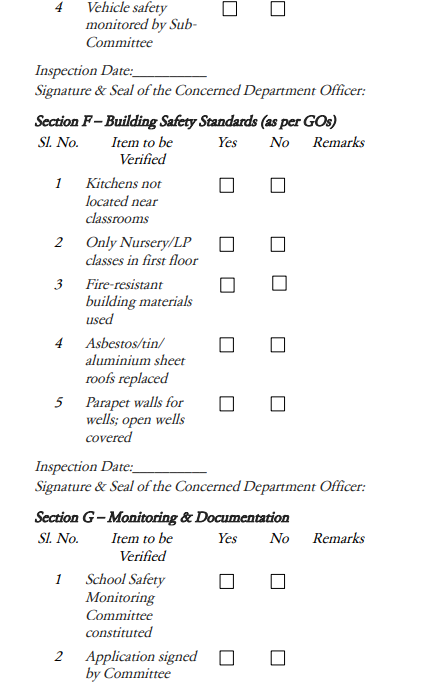
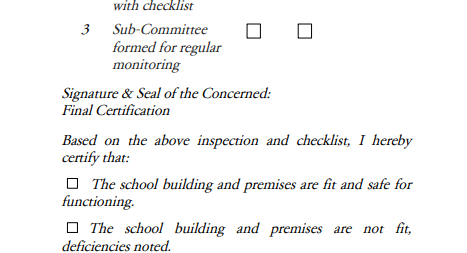
Versus
State Of Kerala, (Deleted) – Respondent
W.P.(C)s. 32493 & 34037 of 2019
Decided on : 26-09-2025
JUDGMENT :
Nitin Jamdar, C.J.
Snakebite envenoming is a life-threatening disease that, without timely treatment, can cause death or permanent disability. In Kerala, snakebite envenoming in school children is a serious problem, especially in rural areas. Snakebite prevention in the schools would require the involvement of several departments of the State, not just the education department. No comprehensive policy document exists to co-ordinate the role of different departments to address the issue of snakebites in schools. Many States in India have declared snakebite envenoming as a notifiable disease, making it mandatory to report cases, as without reliable data, policy interventions remain ad hoc. However, in the State of Kerala, snakebite envenoming has not yet been declared a notifiable disease. A significant number of snakebite cases in Kerala are of the Hump-nosed Pit Viper, for which no specific antivenom is available. This serious issue was brought into sharp focus by the public protest that followed a tragic incident on 20 November 2019, when a fifth-standard student in the Government School at Sulthan Bathery, Wayanad, was bitten by a venomous snake and succumbed before medical care could be provided.
2. The incident at Wayanad led to the filing of the two petitions before us. Both highlight the lack of medical care required for urgent treatment of child victims of snakebite and deficiencies in school buildings, hygiene, and related matters in Kerala. The petitions were heard together, and consolidated affidavits were directed to be filed. On 7 February 2020, the Under Secretary to the Government, General Education Department, filed a counter affidavit, annexing a circular issued by the Education Department on 22 November 2019. On 4 March 2020, after considering the counter affidavit, the Division Bench directed the District Legal Services Authority (DLSA) to conduct inspections of school premises and hospitals to assess the availability of medical facilities. The DLSA submitted its report on 12 February 2021, recording visits to the Taluk Headquarters Hospital, Thamarassery, Taluk Hospital, Kuttiadi, District Hospital, Kanhangad, Government Hospital, Kasaragod, Women and Children’s Hospital, Mattanchery, and Government Hospital, Kottayam. The report noted that lack of necessary medical equipments such as paediatric ventilators were available in some hospitals, but in others they were either absent or non-functional. When the petitions were listed on 4 January 2023, the Court, taking note of the report of the DLSA, issued directions for ensuring the availability of medical facilities.
3. We have heard Mr. R. Gopan, learned counsel for the Petitioner in W.P.(C) No.32493 of 2019, Mr. Santhosh Mathew, learned Senior Advocate appearing for the Kerala State Legal Services Authority (KeLSA), Mr. K. R. Ranjith, learned Government Pleader, and Mr. G. Biju, learned Advocate, appointed as Amicus Curiae to assist the Court.
4. When the petitions came up on 5 March 2025, the broader issue of infrastructure and basic medical care facilities for school children in relation to snakebites was taken up for consideration. During the hearing on 26 March 2025, it was noted that the Circular dated 22 November 2019 issued by the Director of General Education in response to the incident that gave rise to the suo motu Public Interest Litigation did not effectively address the question of ensuring basic medical care. The learned Government Pleader sought time to obtain instructions on this aspect.
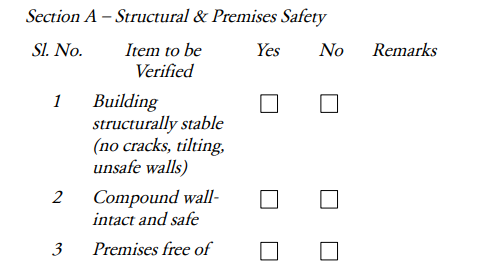
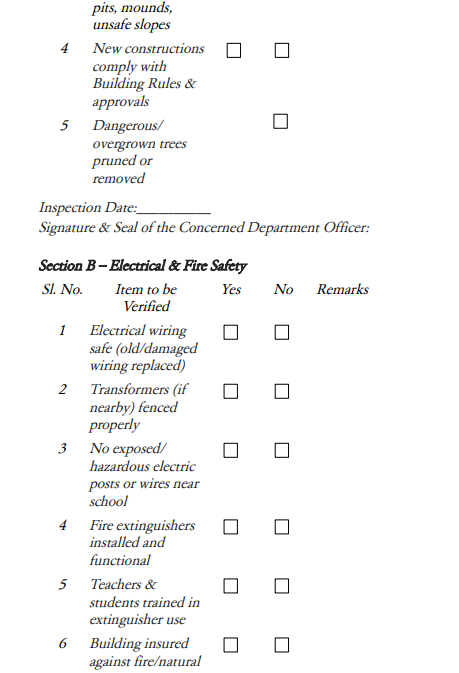
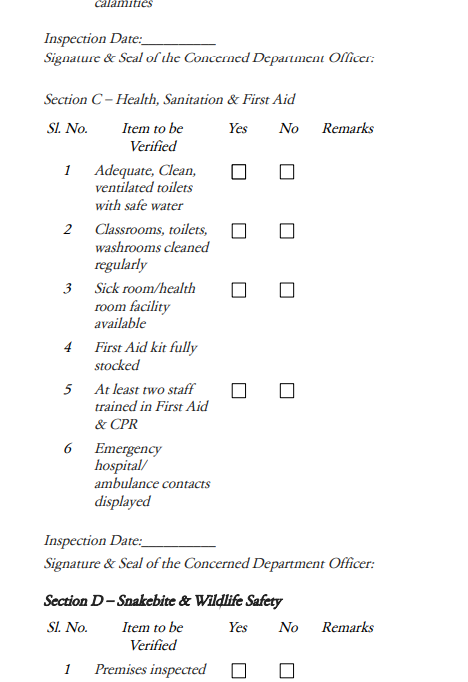
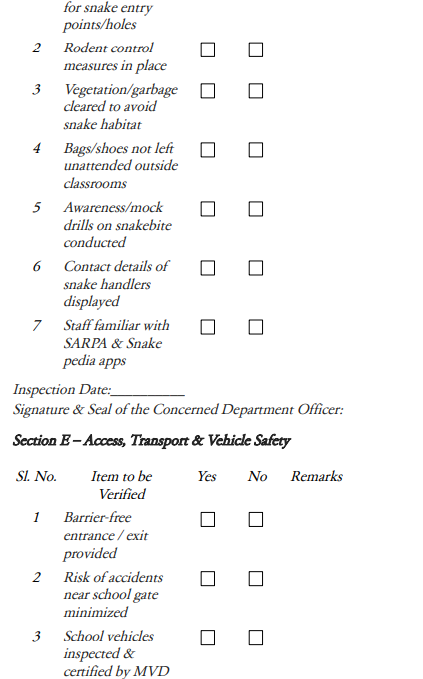
5. During the hearing on 5 June 2025, the learned Government Pleader placed before the Court the Circular dated 30 May 2025 issued by the Department of General Education in the meanwhile. This Circular was also found to be deficient in several respects. The Circular issued by the Department of General Education placed the entire burden of medical care, training, and related responsibilities on school authorities, without any role of other departments such
The judgment establishes a framework mandating inter-departmental collaboration for snakebite management in schools, necessitating accurate reporting as notifiable diseases to improve data collection....

The central legal point established in the judgment is the recognition of rights inherent in animals and the obligations of humans to protect those rights, invoking the doctrine of parens patriae to ....

The court affirmed that compliance with safety and structural regulations is a pre-existing obligation for all educational institutions, and the challenged circular merely enforces these requirements....

The court mandated the State to urgently implement road safety measures under the Kerala Road Safety Authority Act, 2007, to curb the rising number of traffic accidents, asserting that public safety ....

The court emphasizes the need for effective coordination among enforcement agencies to address drug-related issues and hold officials accountable.

Each of the Court premises should have child friendly courts and vulnerable witness courts and in this regard, we direct all the District Judges concerned to ensure that child friendly courts are mad....
Effective implementation of the Juvenile Justice (Care and Protection of Children) Act is essential for child welfare, requiring proactive judicial oversight and accountability from state authorities....
Human life prevails over animal rights; authorities must enforce ABC Rules and cruelty provisions to control stray dogs, balancing public safety with humane treatment, while establishing interim comp....



An indispensable Tool for Legal Professionals, Endorsed by Various High Court and Judicial Officers
Please visit our Training & Support
Center or Contact Us for assistance

Scan Me!
India’s Legal research and Law Firm App, Download now!


For Daily Legal Updates, Join us on :



 Back to top


