
 Back
Back





HIGH COURT OF JUDICATURE FOR RAJASTHAN BENCH AT JAIPUR
SANJEEV PRAKASH SHARMA, ACJ, SANJEET PUROHIT, J.
Kritesh Oswal S/o Sohan Lal – Appellant
Versus
Union of India, through its Cabinet Secretary, New Delhi – Respondent
D.B. Civil Writ (PIL) Petition No. 9095 of 2019
Decided On : 13-10-2025
| Table of Content |
|---|
| 1. right to food as an integral part of the right to life. (Para 1 , 2 , 3) |
| 2. pil addressing concerns regarding gm food regulations. (Para 5 , 6 , 9) |
| 3. need for urgent safety regulations for food safety. (Para 18 , 19 , 20 , 31) |
| 4. no approvals for gm food without established regulations. (Para 44 , 45 , 62) |
| 5. court mandates actions on gm food regulations. (Para 63 , 64) |
JUDGMENT :
SANJEET PUROHIT, J.
I. PREFACE:
1. Food is the foundation of life, sustaining not merely the physical body but nourishing the very essence of human existence and consciousness. The profound wisdom embedded in our ancient Vedic scriptures establishes food safety as the supreme principle underlying all existence. The Taittiriya Upanishad, in it’s Brahmanandavalli (2nd Anuvaka), verse 1 says:
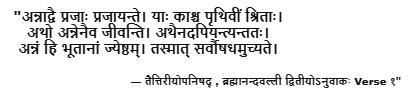
"Indeed, all species of living beings on Earth originate from food; therefore, they live by food and in the end, they merge back into food. Since among all created substances, food is the oldest, it is called the ‘Supreme Medicine’ of the entire universe."
This reveals food as the primordial source, sustainer, and ultimate destination of all life forms in the Cosmos.
2. The Chandogya Upanishad also illuminates in verse 6.5.4 says:

"O Somya, the mind is nourished by food, prāṇa by water, and speech by fire."
This sacred teaching demonstrates that food constitutes not merely physical sustenance but forms the very essence of mental faculties and also consciousness. The finest portion of consumed food ascends to create the mind, establishing an inextricable connection between physical nourishment and intellectual capacity.
3. These eternal Vedic precepts find profound resonance in the constitutional framework and judicial pronouncements of modern India, where the right to food has been recognized as an integral component of the fundamental Right to Life under Article 21. The judiciary has consistently held that access to safe and nutritious food is not a privilege but an inalienable right essential for human dignity and existence.
4. The question as how far our nation has advanced in safeguarding the food safety values enshrined in our constitutional framework and the role of constitutional courts in ensuring the adherence to and enforcement of food safety values, lies at the heart of the present petition. More specifically, where does the Food Safety and Standards regime stand in fulfilling its duty to protect public health amid the increasing presence of genetically modified foods?
4.1 The principle concern expressed in the present petition is that Section 22 of the Food Safety and Standards Act, 2006 (hereinafter referred to as “Act of 2006”) vests the Central Government / Food Safety Authority of India (hereinafter referred to as “FSSAI”) with the authority to frame detailed regulations governing the manufacture, sale, import and distribution of genetically engineered foods. Notwithstanding the clear mandate, no such regulations have been notified till date.
4.2 Question thus arises as to whether, in the absence of such regulations, the legislative scheme envisaged under Section 22 has been rendered nugatory, thereby frustrating the very objectives of the said provision and leaving the statutory framework incomplete and unenforceable. Consequently, what is the appropriate course of action until such regulations are formulated and notified to ensure protection of public health and consumer interests? These matters form the very basis of present Public Interest Litigation.
II. BRIEF FACTS AND GROUNDS:
5. Present writ titled as Public Interest Litigation (hereinafter referred to as “PIL”) has been filed raising concerns regarding the sale, manufacture, distribution or import of genetically modified (hereinafter referred to as “GM”) articles of food in India, in violation of Section 22 of the Act of 2006. The following prayers are made in the present writ petition:-
“1. That to direct the respondents in accordance of Section 22 of Food Safety and Standards Act
AI
The absence of a regulatory framework for genetically modified foods under Section 22 of the Food Safety and Standards Act violates the right to life and health, necessitating immediate legislative a....


![Mumbai Jivdaya Mandali, [The Bombay Humaniterian Legue] VS Standard Review Call - 2024 Supreme(Guj) 460](https://supremetoday-s3.b-cdn.net/Gujarat_1.png)
The responsibility of the authorities for strict implementation of food safety regulations and the need for specific instances of violation to support a petition.

Point of law: Section 89 of the FSSA, gives the provisions of the FSSA, an overriding effect on all other food related laws. Once it is held that tobacco and other products, fall within the definitio....

Restriction imposed trade and business in chewing/chewable tobacco products is in larger public interest and is a reasonable restriction and in no way offends right to carry on trade guaranteed under....

Any food article which is hazardous or injurious to public health is a potential danger to fundamental right to life guaranteed under Article 21 of Constitution of India.


The Food Safety and Standards Act provides an exclusive mechanism for prosecuting food safety violations, superseding provisions of the IPC, making unrelated FIRs impermissible.
The Food Safety and Standards Act, 2006 exclusively governs food adulteration matters, rendering prosecution under the IPC concurrent provisions impermissible.



An indispensable Tool for Legal Professionals, Endorsed by Various High Court and Judicial Officers
Please visit our Training & Support
Center or Contact Us for assistance

Scan Me!
India’s Legal research and Law Firm App, Download now!


For Daily Legal Updates, Join us on :



 Back to top


