1. Claim in negligence and nuisance arising from construction works causing repeated flooding to a place of worship and adjacent land. (Para 1 , 5 , 7 , 9 )
 Back
Next 





2026 MarsdenLR 2488
IN THE HIGH COURT OF MALAYA AT JOHOR BAHRU
NORADURA BINTI HAMZAH, JC
DATO' DR GHAZALI BIN ISMAIL – Appellant
Versus
SHAROM BIN OTHMAN – Respondent
CIVIL SUIT NO. : JA-22NCvC-146-10/2021
Important Points
A contractor is liable in negligence and private nuisance if inadequate temporary construction works and earthworks alter natural water flow, causing foreseeable flooding to neighboring land. Liability is reinforced by failures in hydraulic analysis, engineering compliance, and the deliberate withholding of key witnesses.
Subject
Civil Law - Tort (Negligence & Nuisance)
Act Referred
Peraturan- Peraturan Jawatankuasa Pengurusan Kariah Masjid dan Surau Negeri Johor 2019
Societies Act 1966
Evidence Act 1950: S.101, S.114(g), S.90A
Street, Drainage and Building Act 1974: S.70A
National Land Code: S.44(1)(b)
Civil Law Act 1956: S.11
Rules of Court 2012: O.42 R.12
Headnote
(A) Evidence Act 1950 - Sections 101 and 114(g) - Street, Drainage and Building Act 1974 - Section 70A - National Land Code - Section 44(1)(b) - Civil Law Act 1956 - Section 11 - Negligence and Private Nuisance - Construction of temporary culverts in a rail project causing flood damage to neighboring property.
(B) Negligence - A contractor owes a duty of care to neighboring landowners whose property is foreseeably at risk from construction works. Breach of duty is established where there is a failure to conduct hydraulic analysis, non-compliance with design instructions, and failure to ensure the structural integrity of temporary works through proper compaction and inspection. (Paras 45-46)
(C) Private Nuisance - Consists of an act or omission that interferes, disturbs, or annoys a person in the enjoyment of their occupation and usage of land. The interference must be unlawful, substantial, and unreasonable. Where a nuisance is continuing, a fresh cause of action accrues daily, allowing for damages until the date of trial. (Paras 66-69)
(D) Evidence Act 1950 - Section 114(g) - An adverse inference may be drawn where a party deliberately withholds a witness who is best placed to explain central issues, particularly when the failure to call such witness is not explained and the evidence is likely to be unfavourable. (Paras 74-76) (E) Aggravated Damages - Compensatory in nature, awarded where the manner of the wrong causes additional injury to the plaintiff's dignity, self-respect, or emotional well-being, such as the repeated inundation of a place of worship due to the defendant's failure to remedy a known problem. (Para 110)
Facts of the case:
The defendant, a contractor for a rail project, replaced existing box culverts with temporary pipe culverts and performed earthworks. This resulted in repeated destructive flooding of a nearby place of worship and adjacent agricultural land. Despite a stop work order from the local authority citing the obstruction of water flow, the defendant delayed the completion and operation of a permanent culvert for several months, during which time flooding continued.
Findings of Court:
The court found that the temporary culverts were inadequate and the associated earthworks altered the natural flow of water, directly causing the flooding. The defendant was negligent in the planning and execution of the works and committed a private nuisance. The defendant failed to prove that major flooding pre-existed the works or that river pollution was the primary cause.
Issues: Whether the flooding was pre-existing; whether the defendant's construction works caused the flooding; whether the defendant was negligent in the planning and execution of the works; whether the works were approved by authorities; and whether river pollution caused the flooding.
Ratio Decidendi: The court reasoned that the chronology of events—no major floods before works, severe floods during the use of temporary culverts, and the cessation of floods after the permanent culvert became operational—established causation. Negligence was found due to the absence of hydraulic analysis, failure to follow engineering specifications, and failure to conduct requisite inspections. The repeated flooding of a place of worship constituted a substantial and unreasonable interference with the use and enjoyment of land, thus establishing a continuing private nuisance.
Result: Judgment entered for the plaintiffs for special damages, general damages for continuing nuisance, and aggravated damages, with interest and costs awarded.
Legal Category Hierarchy
- tort
- practice and procedure
Advocates:
Solicitor for the Plaintiffs :
Mohd Fairuz bin Abdullah
(together with Ismail bin Mohd Tahir)
Messrs. Mohd Najid & Partners
Solicitor for the Defendant :
Goh Toh Jen
Messrs. TJ Goh & Co.
Table of Contents
2. Dispute over causation of flooding; plaintiffs alleged inadequate culverts and earthworks, defendant asserted pre-existing flooding and river pollution. (Para 10 , 11 , 16 , 20 )
3. Defendant's own adjuster reports, admissions of engineer, and local authority stop work order established that construction works caused flooding. (Para 30 , 31 , 33 , 36 , 38 , 39 , 42 )
4. A contractor owes a duty of care to neighbouring landowners; inadequate temporary works altering water flow constitute negligence and continuing nuisance. (Para 15 , 45 , 67 , 69 , 75 )
5. Judgment entered for plaintiffs; special damages, general damages for nuisance, and aggravated damages awarded with interest and costs. (Para 114 , 115 , 116 )
6. What constitutes negligence in the design and construction of temporary culverts by a contractor?
Contractor must conduct hydraulic analysis, follow engineer instructions, ensure proper inspection, and design to handle foreseeable flood and debris. (Para 46 , 47 , 49 , 51 )
7. When does interference with land enjoyment amount to continuing private nuisance?
When there is repeated, substantial, and unreasonable interference over a period, such as repeated flooding of a place of worship for many months. (Para 67 , 68 , 69 )
8. Under what circumstances can an adverse inference be drawn under section 114(g) Evidence Act?
When a party withholds a witness within their control likely to give unfavorable evidence, such as failing to call the engineer who designed the culvert. (Para 75 , 76 )
9. Does approval from a ministry or compliance with a contract absolve a contractor from liability for negligence?
No, a contractor's duty of care to neighbours is independent of contractual obligations; project approval does not excuse negligent execution causing damage. (Para 55 , 58 )
10. What is the test for causation in nuisance from construction works?
Causation is established where the defendant's works materially contributed to the flooding, supported by direct evidence, admissions, and the sequence of events. (Para 28 , 42 , 44 )
GROUNDS OF JUDGMENT
INTRODUCTION
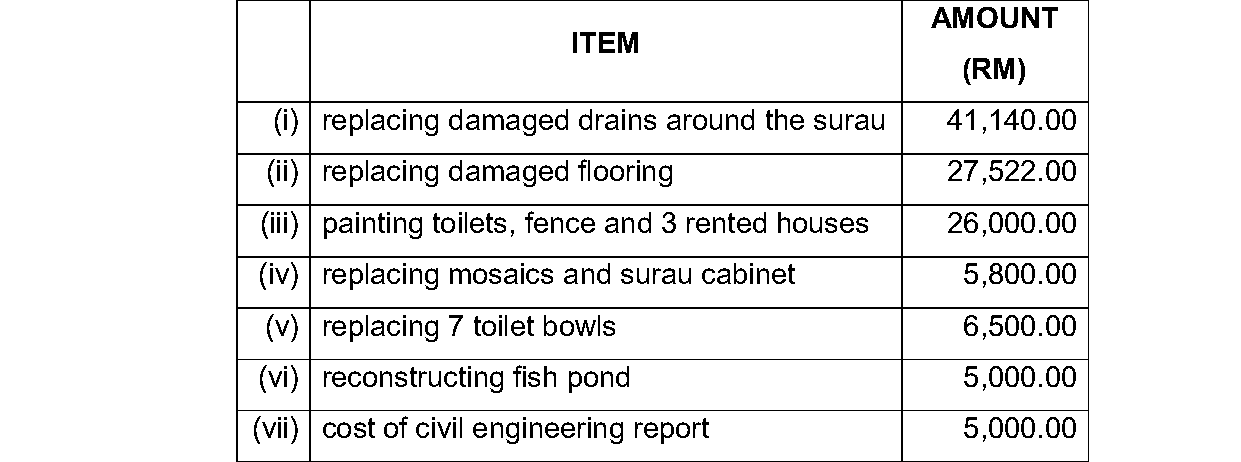
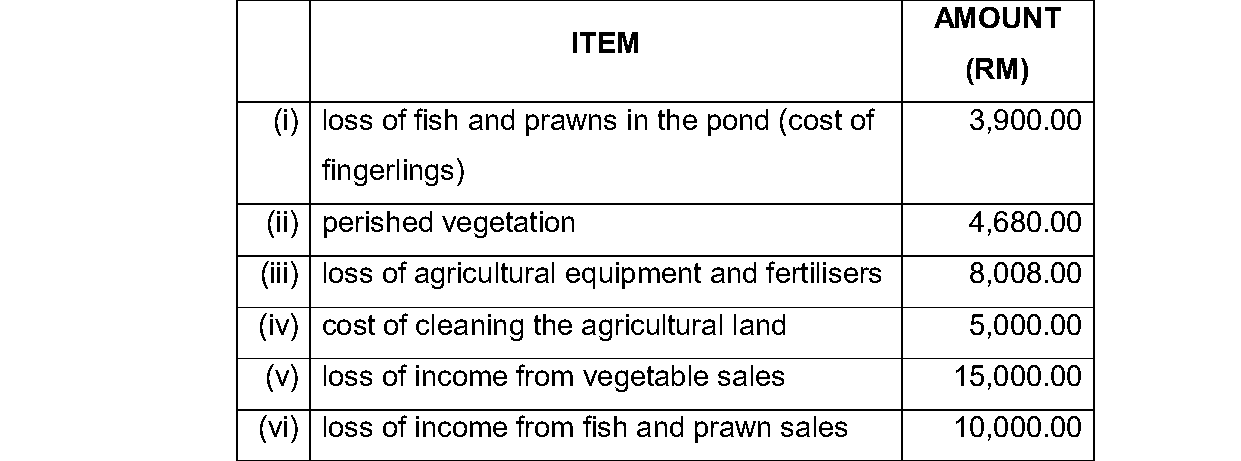
1. This is a claim by the Plaintiffs against the Defendant for negligence and nuisance arising from the Defendant’s construction works relating to the Electrified Double Track Project from Gemas to Johor Bahru ("EDTP"). The Plaintiffs allege that the Defendant’s earthworks and construction of temporary culverts at Sungai Sebulong (a tributary of Sungai Tebrau) caused repeated flooding of Surau Ar Rahman and the adjacent agricultural land managed by the 2nd Plaintiff, resulting in damage to the surau premises, loss of property and agricultural produce and continuing nuisance to a place of worship.
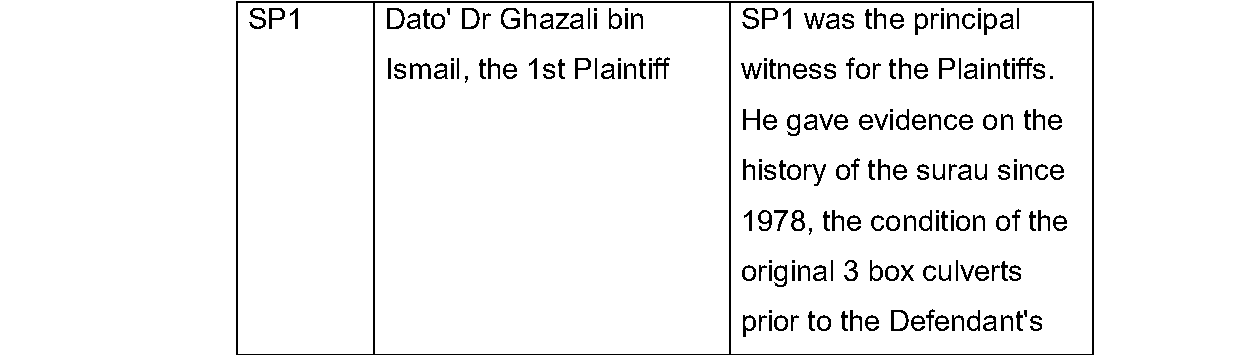
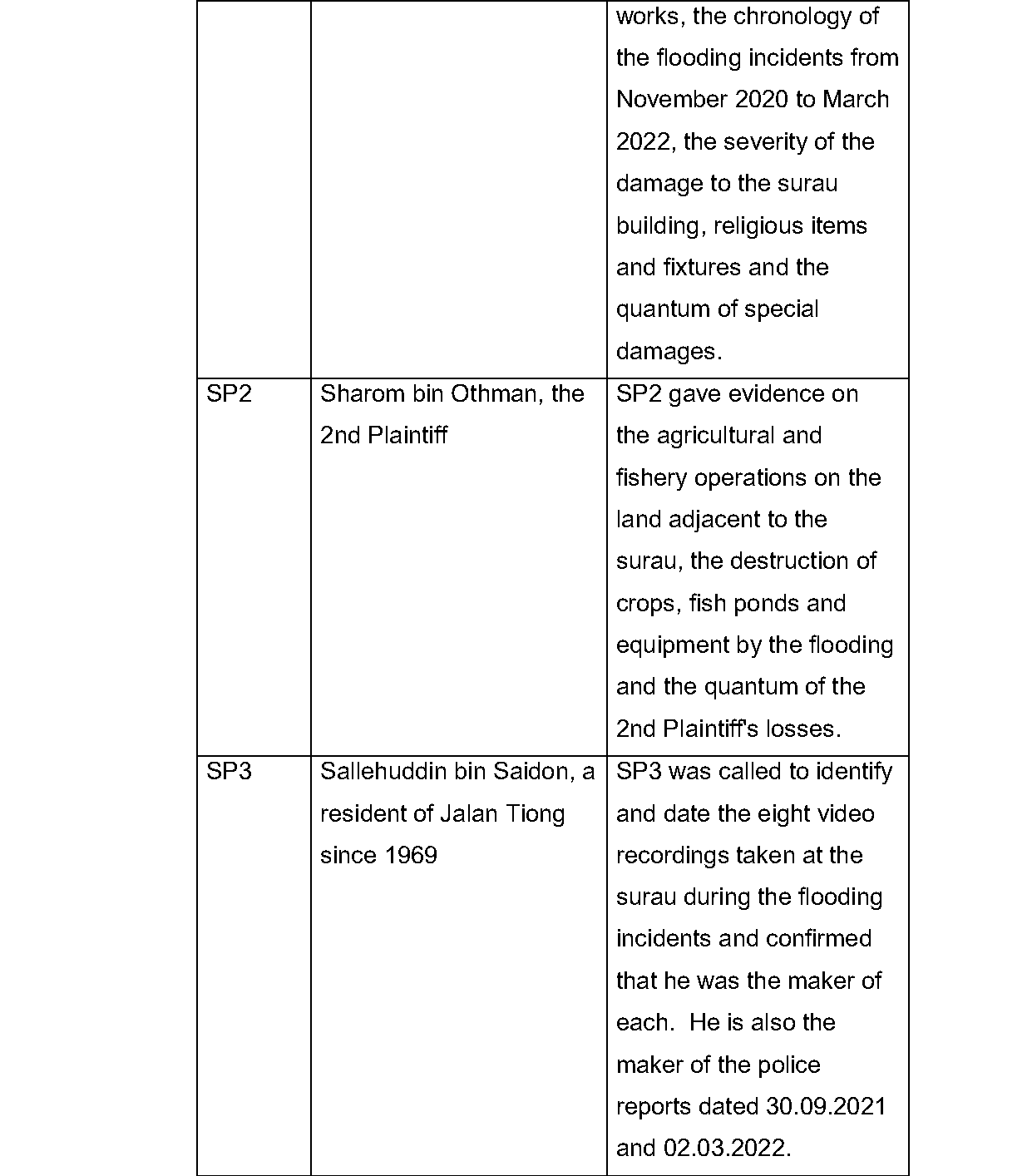
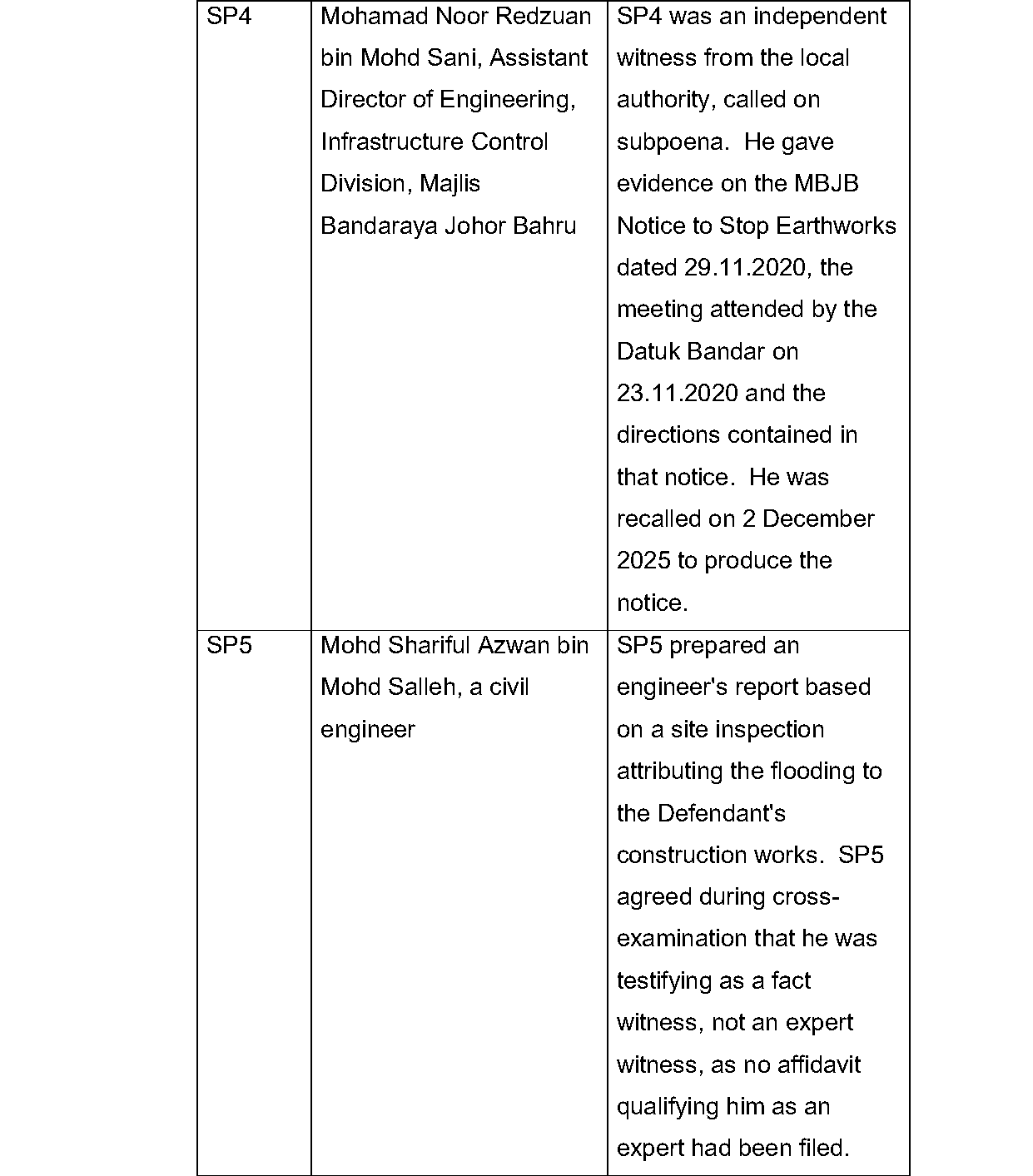
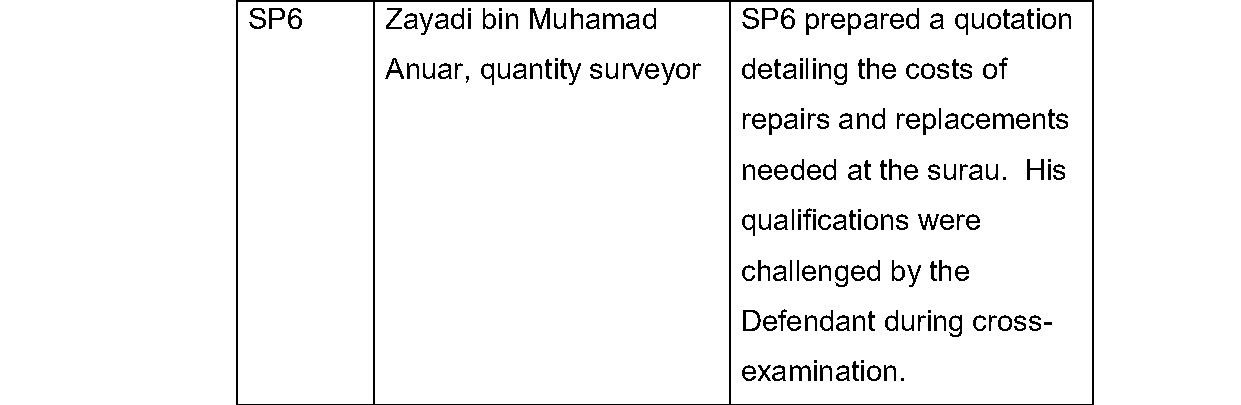
2. The trial of this matter was heard over 10 days, namely 3, 4, 28 November 2025, 1, 2, 3, 23, 24, 27 December 2025 and 27 January2026. The Plaintiffs called 6 witnesses –
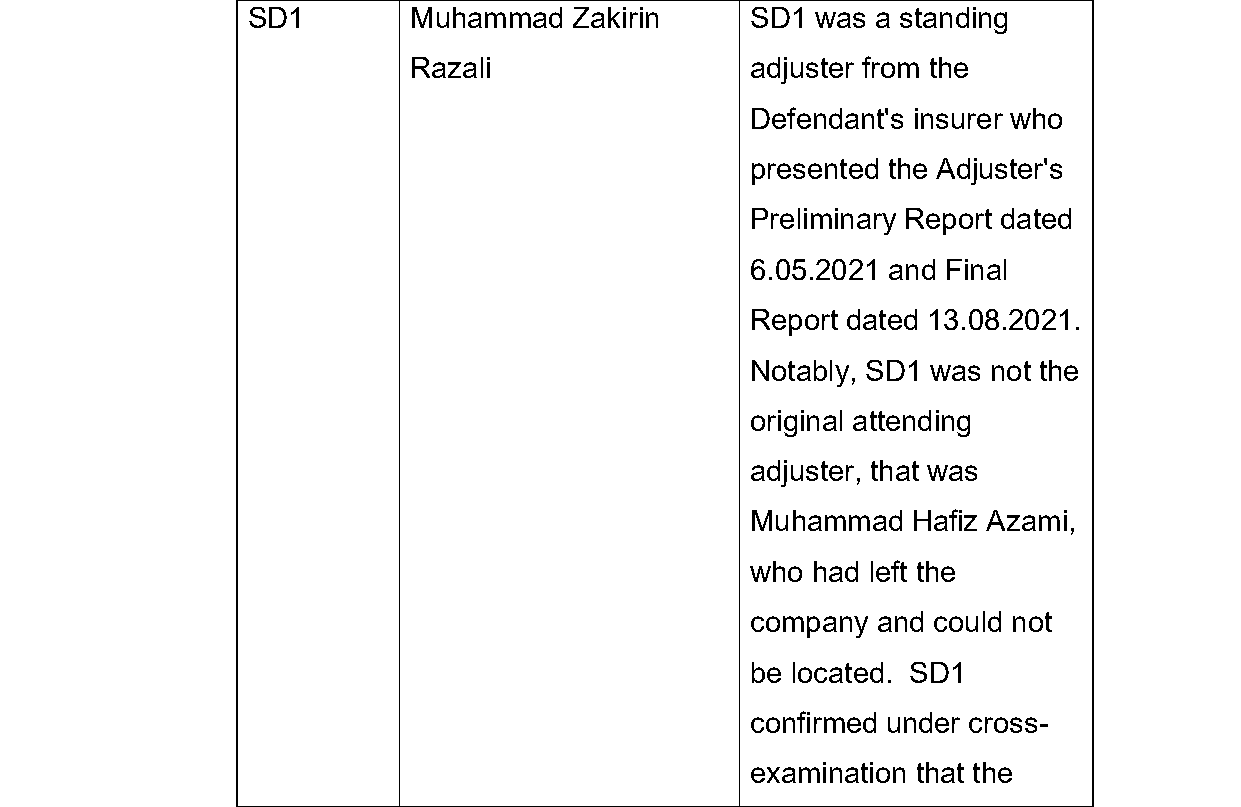
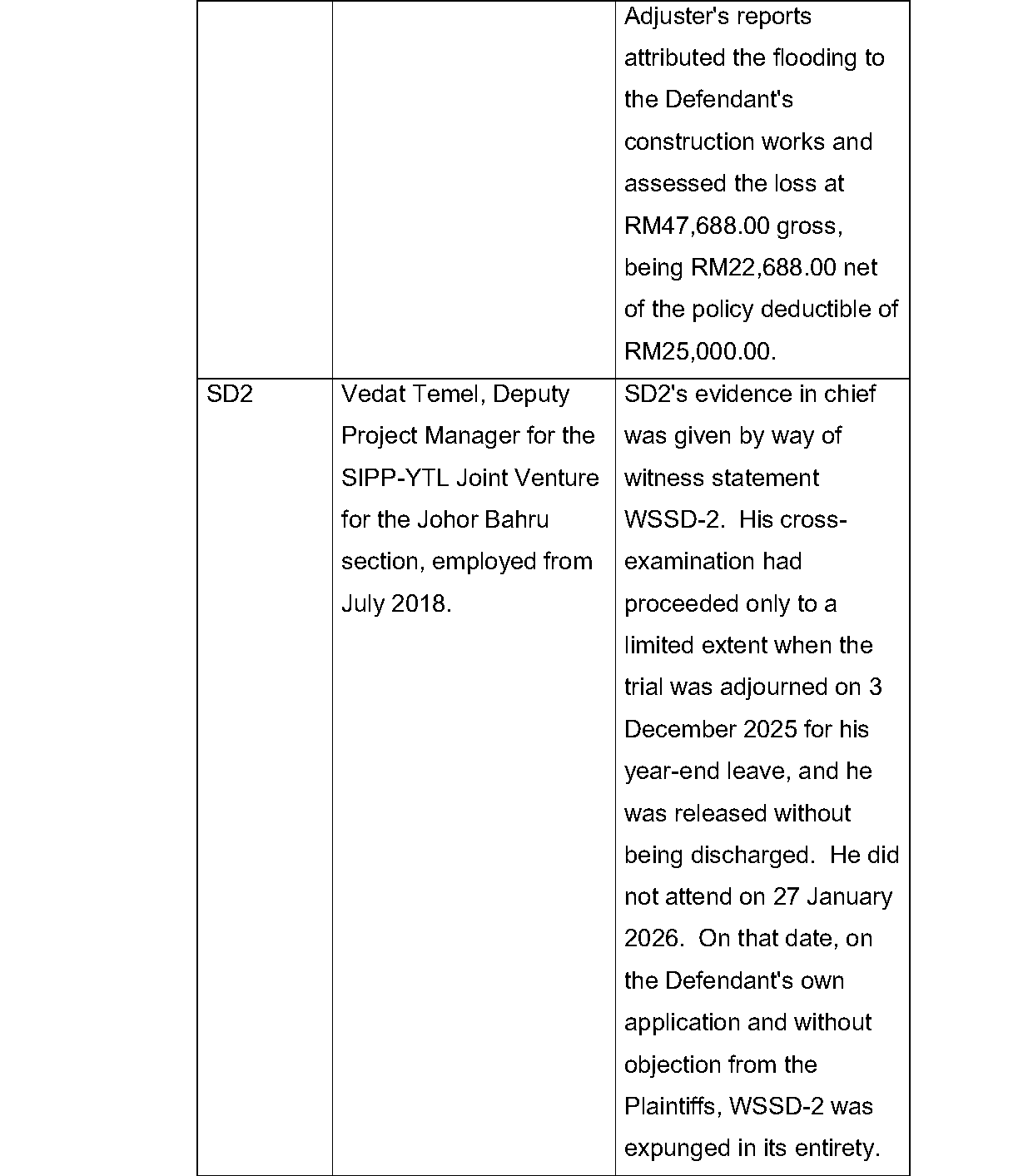
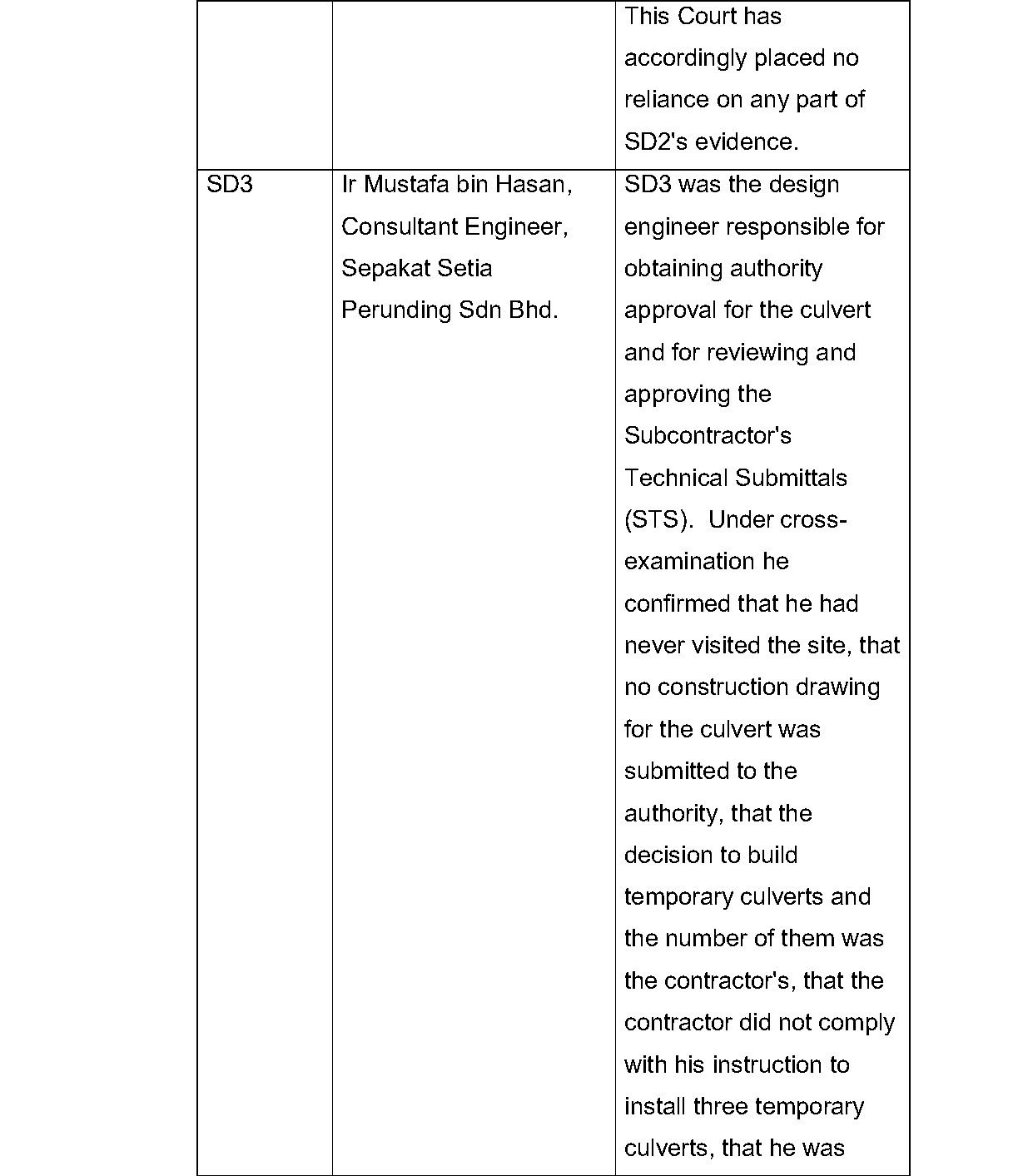
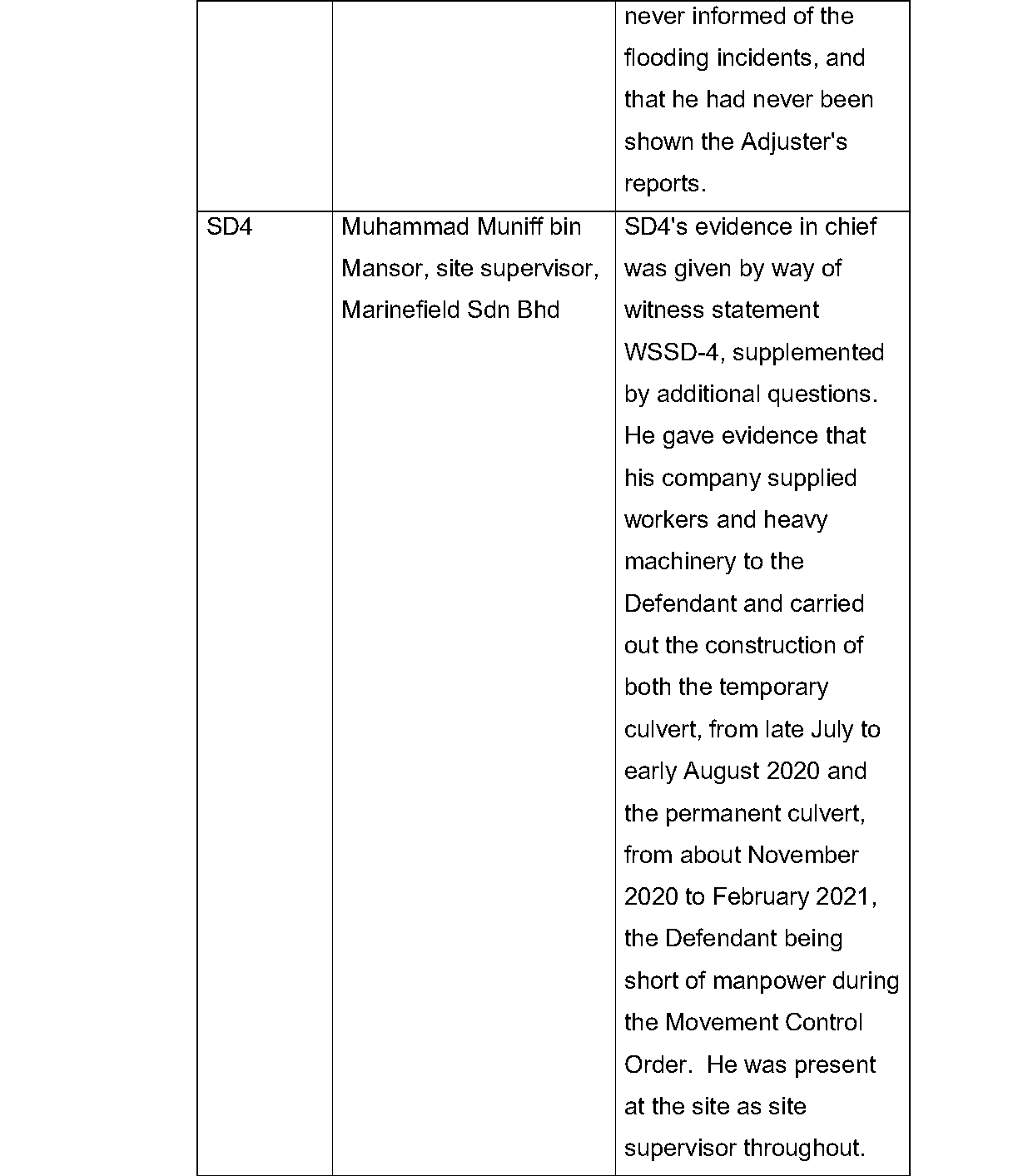
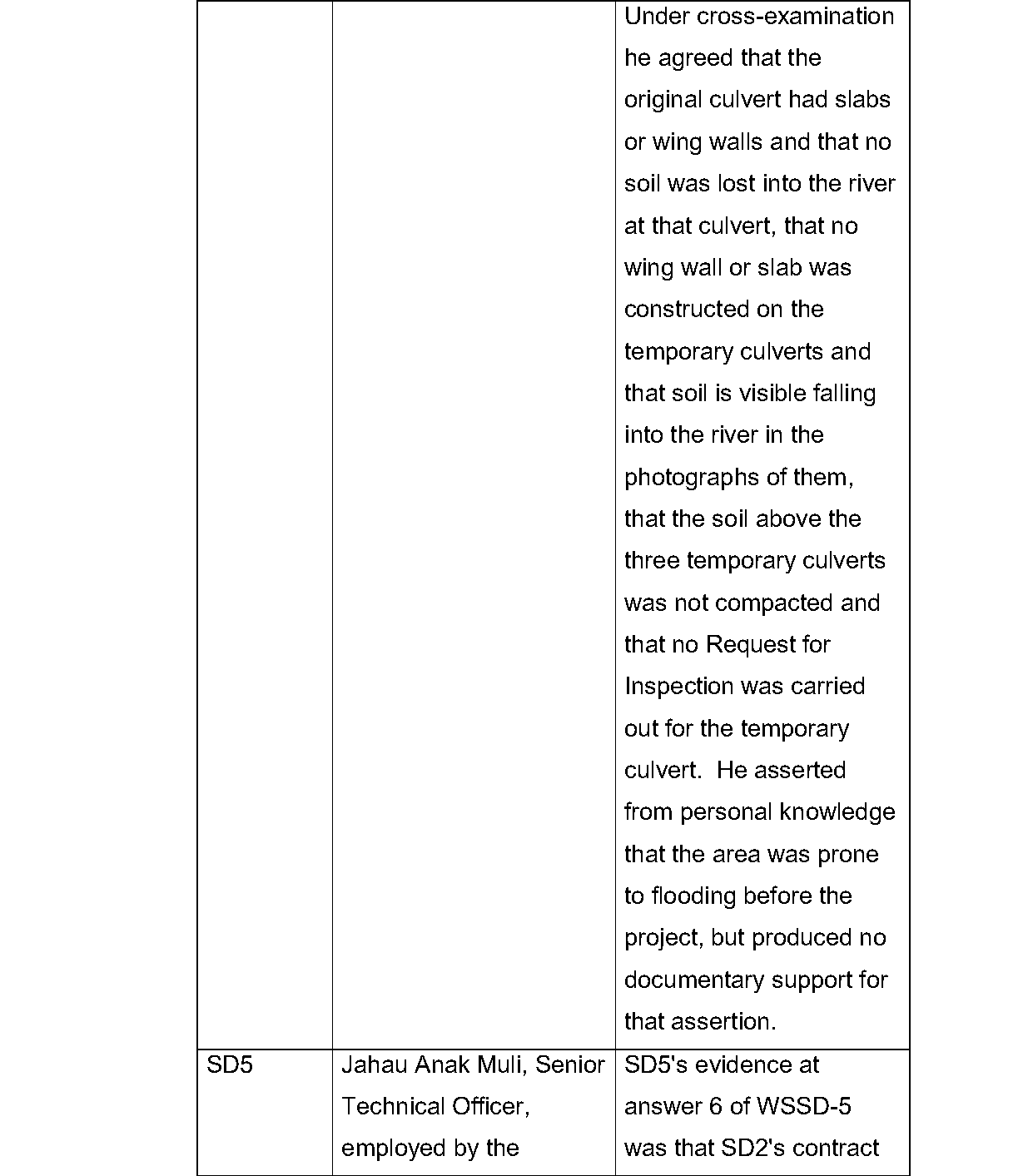
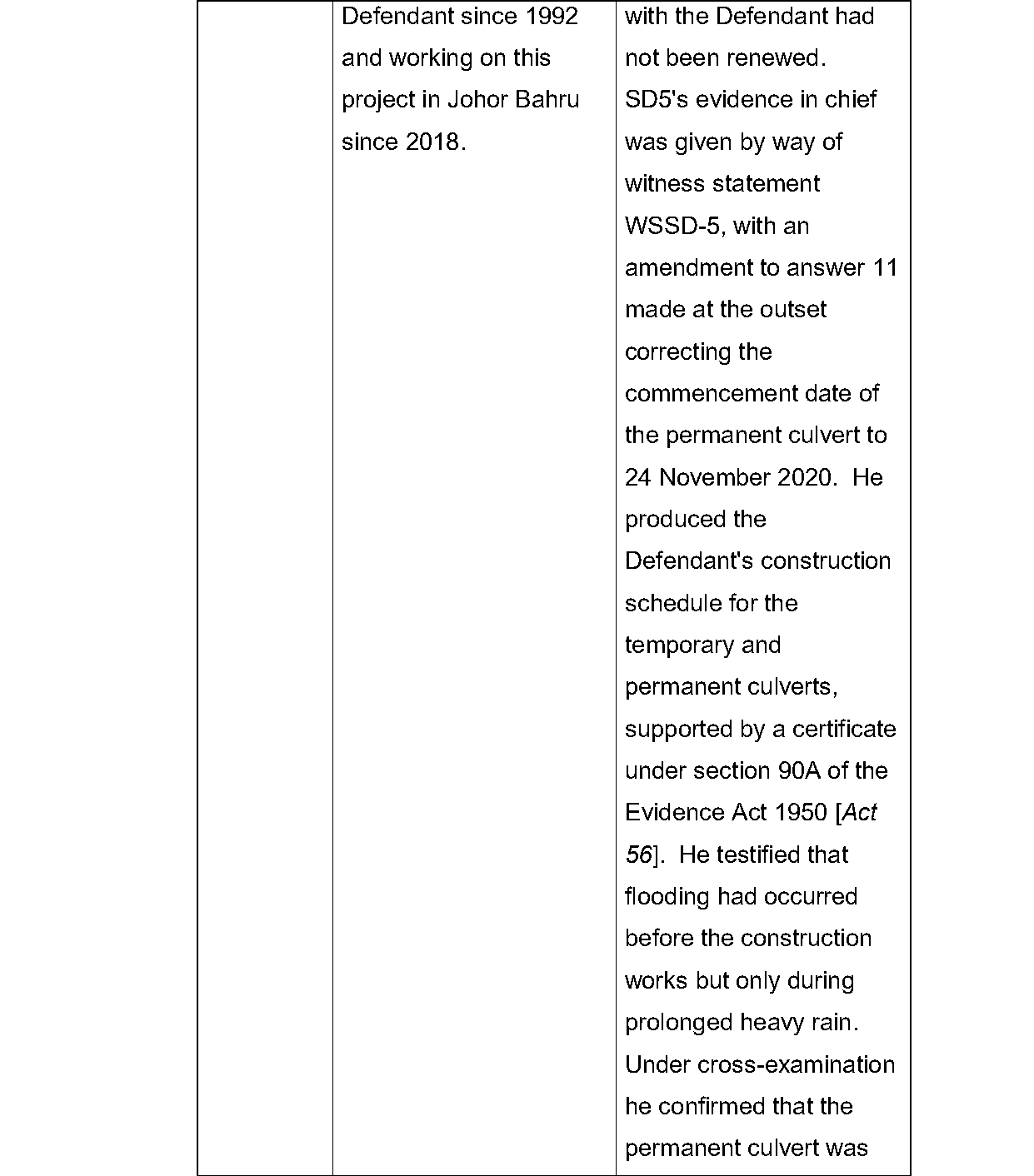
3. The Defendant originally called 5 witnesses, the evidence of one of whom was subsequently expunged –
4. Written submissions were filed by both parties, followed by reply submissions. The Court now delivers its decision and grounds of decision.
BACKGROUND
5. The 1st Plaintiff, brings this action as the Chairman of the Economic and Development Committee (Jawatankuasa Ekonomi dan Pembangunan) for the Management Committee of Kariah Surau Ar Rahman, Larkin Jaya, Johor Bahru, appointed under the Peraturan- Peraturan Jawatankuasa Pengurusan Kariah Masjid dan Surau Negeri Johor 2019 . The 2nd Plaintiff, brings this action as the Public Officer of Persatuan Komuniti Agro Tiong Larkin Jaya, Johor, a registered society under the Societies Act 1966 [Act 335].
6. The Defendant, is a company incorporated in Malaysia, having its registered address at 33rd Floor, Menara YTL, 205, Jalan Bukit Bintang, 55100 Kuala Lumpur. The Defendant was at all material times the local contractor appointed to carry out the design and construction of the EDTP, including the construction of trackside drainage on the land belonging to Keretapi Tanah Melayu Berhad which spread across and was situated above Sungai Sebulong, the position of which is adjacent to the land where Surau Ar Rahman is situated. This Court also notes that the Defendant is also known as YTL Construction Sdn Bhd, bearing the same company number 12479-V, as appears from the Suruhanjaya Syarikat Malaysia search dated 06.10.2021, and that this was not disputed by the Defendant.
7. Surau Ar Rahman is an Islamic assembly building functioning as a place for prayers and other religious activities for the Muslim residents in Jalan Tiong, Larkin Jaya, Johor. It has served the local community since 1978. The surau is situated next to Sungai Sebulong. SP1 gave evidence that the surau conducted five daily obligatory prayers, wirit tunjakan and Asmaulhusna sessions and Fardhu Ain classes including Tajwid and Quran translation. The river is variously spelt Sebulong, Sebulung and Sembulong in the documents. This judgment adopts the spelling Sebulong.
8. On 14 January 2026, this Court together with the learned counsel for both parties conducted a site visit to Surau Ar Rahman and the surrounding area. The Plaintiffs were also present in person, the Defendant being represented by its counsel alone. No evidence was taken at the view, nothing was said to this Court by the Plaintiffs in the course of it and neither party addressed this Court upon the merits. Its purpose was to enable this Court to understand the evidence given at trial as to the physical layout of the surau premises, its proximity to Sungai Sebulong, the location of the permanent culvert which has replaced the temporary culvert, the river reserve area and the general topography. This Court has used the view for that purpose only and no finding in this judgment rests upon anything observed at the view which was not also the subject of evidence at trial.
9. By the Agreed Facts filed on 13 July 2022, the parties agreed to three facts, namely –
(a) the Defendant was the contractor appointed for the construction of the double electric railtrack project from Gemas