


Is Alcometer Use Advisable in Court? Legal Guide
In today's legal landscape, alcohol-related cases, such as DUI charges or workplace incidents, often hinge on evidence from detection devices. But when someone asks, Alcometar is Not Advisiable, it raises a critical question: Is using an alcometer—or similar breathalyzer—truly inadvisable? This blog dives into the legal analysis, drawing from court documents and precedents to clarify when these tools strengthen a case and when they risk invalidation.
We'll explore the context, key principles, and practical recommendations, emphasizing that proper use is key to . Note: This is general information, not specific legal advice. Consult a qualified attorney for your situation.
What is an Alcometer?
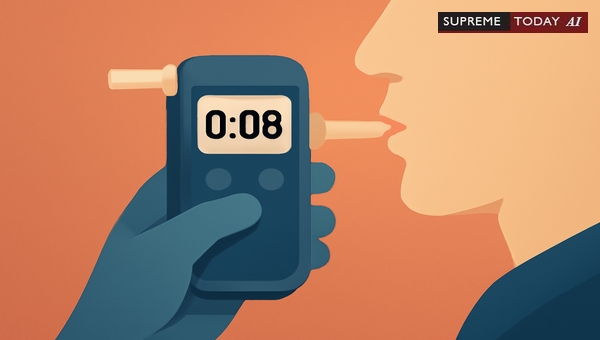
An alcometer, often likened to a breathalyzer, is a device designed to measure blood alcohol concentration (BAC) through breath analysis. Commonly used in traffic stops, employment screenings, or criminal investigations, it provides quick results. However, its reliability in court depends on strict protocols.
The term alcometar likely refers to such alcohol detection tools. Legal documents stress that while useful, they require proper handling to serve as credible evidence. SUO MOTU PROCEEDINGS INITIATED BASED ON A REPRESENTATION SUBMITTED BY SRI. N. RAMACHANDRA I.P.S. vs STATE OF KERALA -
Legal Context and General Principles
Court analyses highlight the foundational role of evidence reliability and procedural compliance. Devices like alcometers are valuable for detecting alcohol levels but must be wielded by trained professionals, such as mental health experts or multidisciplinary teams. SUO MOTU PROCEEDINGS INITIATED BASED ON A REPRESENTATION SUBMITTED BY SRI. N. RAMACHANDRA I.P.S. vs STATE OF KERALA -
Key principles include:- Requirements: Evidence must follow legal procedures, including device calibration, maintenance, and operator training.- Expert Involvement: Devices like alcometers are useful tools for detecting alcohol levels and are recommended to be used by trained professionals... supported by multidisciplinary teams. SUO MOTU PROCEEDINGS INITIATED BASED ON A REPRESENTATION SUBMITTED BY SRI. N. RAMACHANDRA I.P.S. vs STATE OF KERALA -
Without these, evidence may be challenged or deemed inadmissible, underscoring why improper use renders alcometer results inadvisable.
Advisability of Using Alcometers: Court Precedents
Legal precedents affirm that alcometers are generally advisable under controlled conditions. In one key document, the emphasis is on proper equipment and expertise, indicating that the use of such devices is advisable when properly managed. SUO MOTU PROCEEDINGS INITIATED BASED ON A REPRESENTATION SUBMITTED BY SRI. N. RAMACHANDRA I.P.S. vs STATE OF KERALA -
Conversely, the absence of protocols can invalidate results. For instance, case 2013 0 Supreme(All) 1931 discusses reliability in criminal matters, implying device evidence needs and legal standards: The case 2013 0 Supreme(All) 1931 discusses the reliability of in criminal cases, implying that evidence obtained from devices like alcometers should be corroborated and obtained following legal standards to be considered reliable.
Procedural Safeguards
Courts mandate:1. Calibration and Maintenance: Devices must be regularly checked to ensure accuracy.2. Trained Operators: Only qualified personnel should administer tests.3. : Proper documentation prevents tampering claims.
Failure here compromises credibility, making reliance on alcometers inadvisable.
Insights from Related Legal Cases
Broader case law reinforces these principles, particularly around evidence assessment and procedural adherence—parallels applicable to alcometer use.
In motor accident compensation disputes, courts scrutinize disability assessments tied to functional impairment, much like BAC readings. For example, 2022 0 Supreme(Kar) 481 notes: Considering the same, we notionally assess the permanent disability affect earning capacity of the petitioner is to an extent of 75% to the whole body. He can do the work which is not strenuous... This highlights expert evaluation's role in validating impacts, akin to needing medical for alcometer results in impairment cases.
Similarly, 2019 0 Supreme(Kar) 2116 addresses a driver's wrist injury: As regards disablement... he has examined Dr.K.S. Kantesh... who has stated that the claimant-respondent no.1 has suffered 43% permanent physical impairment... However, he is categorical... that he can not assess functional disablement. The court reasoned: If impairment is because of restriction of wrist/ finger movement and pain interfering with work loss of earning capacity could reasonably be assessed... claimant-respondent No.1 is a driver... This underscores that physical metrics (like BAC) require functional analysis by experts, or risk under- or over-assessment—directly relevant to alcometer evidence in driving cases.
Procedural lapses echo in other domains. 2011 0 Supreme(Mad) 299 on panchayat removals stresses : The impugned order removing the President was not in accordance with the procedures outlined in ... emphasizing the need for considering the views of the Village Panchayat... Just as administrative actions need Village Panchayat input, alcometer evidence demands procedural rigor to avoid invalidation.
In contract enforcement, 2014 0 Supreme(Mad) 3062 emphasizes readiness: Continuous readiness and willingness of the plaintiff is a to the grant of relief of . This mirrors the ongoing preparedness (calibration, training) required for alcometer .
These cases collectively illustrate: Evidence from tools like alcometers must be procedurally sound, experted-backed, and corroborated—lest it falter like uncorroborated disability claims or procedural oversights.
When is Alcometer Use Advisable?
Based on the documents, alcometer deployment is advisable when:- The device is properly calibrated and maintained.- The operator is trained and qualified.- Evidence collection follows legal procedures for .- Supported by expert testimony, especially in contested matters.
It becomes inadvisable if:- Lacking verification or proper use, compromising credibility. SUO MOTU PROCEEDINGS INITIATED BASED ON A REPRESENTATION SUBMITTED BY SRI. N. RAMACHANDRA I.P.S. vs STATE OF KERALA - - Solely relied upon without . 2013 0 Supreme(All) 1931
Recommendations for Legal Proceedings:- Always document calibration logs and operator credentials.- Pair with blood tests or observations for stronger cases.- Involve multidisciplinary experts, as suggested: recommended to be used by trained professionals, such as mental health experts or psychiatrists, supported by multidisciplinary teams. SUO MOTU PROCEEDINGS INITIATED BASED ON A REPRESENTATION SUBMITTED BY SRI. N. RAMACHANDRA I.P.S. vs STATE OF KERALA -
Potential Risks and Limitations
Documents do not deem alcometers inherently inadvisable; cautions focus on misuse. Factors like device malfunction, operator error, or environmental interference (e.g., mouth alcohol) can skew results. Courts may exclude evidence if chains of custody break, paralleling compensation cases where unassessed functional disablement led to appeals. 2019 0 Supreme(Kar) 2116
In criminal contexts, reliability is paramount: proper handling of evidence, which applies to devices like alcometers. Proper calibration, maintenance, and operator training are crucial... SUO MOTU PROCEEDINGS INITIATED BASED ON A REPRESENTATION SUBMITTED BY SRI. N. RAMACHANDRA I.P.S. vs STATE OF KERALA -
Conclusion and Key Takeaways
The query Alcometar is Not Advisiable oversimplifies a nuanced issue. Properly used, alcometers are advisable tools enhancing . Conclusion from documents: the use of alcometar (or similar alcohol detection devices) is advisable when used correctly and in accordance with legal standards. Improper use or lack of proper procedures makes its application inadvisable and potentially legally invalid. SUO MOTU PROCEEDINGS INITIATED BASED ON A REPRESENTATION SUBMITTED BY SRI. N. RAMACHANDRA I.P.S. vs STATE OF KERALA -
Key Takeaways:- Prioritize protocols for .- Leverage experts for credibility.- Avoid sole reliance—corroborate always.- Draw from precedents like disability assessments to bolster cases. 2022 0 Supreme(Kar) 481 2019 0 Supreme(Kar) 2116
For alcohol detection in legal matters, adherence trumps convenience. Stay informed, ensure compliance, and consult professionals to navigate these waters effectively.
This post synthesizes public legal documents for educational purposes. Laws vary by jurisdiction; seek tailored advice.
#AlcometerLaw, #LegalEvidence, #Breathalyzer















