


How to Identify Law Points from a in India
In the intricate world of Indian civil litigation, the serves as the foundational document where the plaintiff outlines their claims, facts, and relief sought. But how do you pinpoint the law points—the critical legal issues that can make or break a case? Whether you're a lawyer drafting defenses, a judge assessing , or a party navigating court proceedings, understanding how to extract these points is essential.
This guide answers the key question: How to Find out the Law Points from a . We'll break it down using principles from the (), landmark judgments, and practical steps, ensuring you can analyze plaints effectively while focusing on and attached documents.
Overview of Law Points in a
A is more than a narrative; it's a legal blueprint. Law points emerge from its (statements of fact), cited provisions, and implications like , , , or statutory bars. Courts emphasize reading the as a whole, without isolated scrutiny or defendant's defenses at preliminary stages. 2023 0 Supreme(Bom) 920 2018 0 Supreme(Bom) 1848
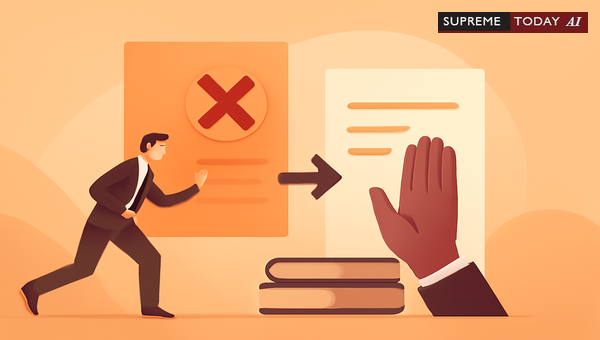
Under , plaints can be rejected if they fail to disclose a , are , , or lack . This provision underscores why identifying law points early is crucial—it's often the gateway to dismissal. 2007 7 Supreme 532 1999 0 Supreme(Raj) 6
Key Principles for Extracting Law Points
To uncover law points, anchor your analysis in these core principles:
Read the Holistically The entire document, including and annexed documents, must be considered. The made in the are to be read as a whole to find out whether the discloses a or is barred under any law. 2016 0 Supreme(Guj) 728 Isolated sentences mislead; context rules. 2023 0 Supreme(Bom) 920 2018 0 Supreme(Bom) 1848
Defined as a bundle of facts entitling the plaintiff to relief when paired with law, it must involve defendant's acts. 2012 4 Supreme 289 2014 0 Supreme(Ori) 618 Courts check solely from , ignoring defenses. 2007 7 Supreme 532 2004 0 Supreme(Raj) 628 Failure here triggers rejection under .
Includes periods. It is well settled that the expression 'barred by any law' used in clause (b) of Rule 11 of Order 7 must include the law of as well and, therefore, the can be rejected under this provision on the ground of bar of also. So, it would have to be seen only from the made in the and reading them as a whole. 2016 0 Supreme(Bom) 218 No external evidence; alone suffices. 2007 7 Supreme 532 1999 0 Supreme(Raj) 6
and Scrutinize for civil court or time bars. Issues like or may arise. 2020 0 Supreme(Bom) 607
2015 7 Supreme 324
Additional insights from case law highlight rejection grounds: courts assess only contents for , legal bars, or (e.g., ). Extraneous matters like valuation or procedural defects are trial issues, not rejection bases. 2024 Supreme(Online)(MAD) 12350
2023 Supreme(Online)(Mad) 94665 2021 0 Supreme(Mad) 38 2021 0 Supreme(Mad) 403
Step-by-Step Guide to Identify Law Points
Follow this structured approach for thorough analysis:
- Examine the 's Structure
- Pinpoint main claims and factual foundations.
Note cited or implied legal provisions (e.g., specific statutes).
Identify Key Legal Issues
- Does it disclose a ? Check for essential facts.
- Is it , like ?
- defects? E.g., wrong forum.
Doctrines like ?
2015 7 Supreme 324
Review Accompanying Documents These bolster claims or reveal contexts, but stay within scope for Order 7 Rule 11. Courts limit to attached items, not external proofs. 2023 Supreme(Online)(MAD) 10333 2025 0 Supreme(Guj) 1709
Check Common Rejection Grounds
- bars.
- No .
(e.g., ). 2022 Supreme(Online)(MAD) 38699 2023 Supreme(Online)(Kar) 32782 Raise all at once; later objections rarely entertained. 2023 Supreme(Online)(MAD) 10333 2023 Supreme(Online)(Mad) 94665
Summarize Findings List points with references and laws, e.g., para 5 implies bar under .
Other sources reinforce: No without explicit statements on agency or malice.
Fraud allegations may need civil courts, not arbitration. 2020 0 Supreme(Bom) 249
Practical Examples and Case Insights
Consider a alleging contract breach. Law points: (1) from non-performance facts; (2) via suit value/forum; (3) from breach date. If barred, reject under . Courts stringently apply this, per Hardesh Ores P. Ltd. (2007) 5 SCC 614. 2016 0 Supreme(Bom) 218
In fraud cases, complex law-fact mixes favor civil forums. 2020 0 Supreme(Bom) 249 Historical Smriti analogies remind: Authority limits apply similarly today. 2018 0 Supreme(Guj) 1220 2018 0 Supreme(Guj) 1223
Conclusion and Key Takeaways
Identifying law points from a demands a holistic, -centric review under . Focus on for , bars, and to spot rejection opportunities or strengthen cases.
Key Takeaways:- Read entirely; no piecemeal. 2023 0 Supreme(Bom) 920 2018 0 Supreme(Bom) 1848 2016 0 Supreme(Guj) 728- Order 7 Rule 11 confines to . 2007 7 Supreme 532- Raise all grounds early.- Documents aid, but don't expand scope.
This is general guidance based on legal principles and cases; outcomes vary. Consult a qualified lawyer for specific advice. For more on Indian civil law, explore our resources.
References:2023 0 Supreme(Bom) 1020 2023 0 Supreme(Bom) 920 2020 0 Supreme(Bom) 607 2022 0 Supreme(Chh) 137
2015 7 Supreme 324 2007 7 Supreme 532 2012 4 Supreme 289 1999 0 Supreme(Raj) 6 2014 0 Supreme(Ori) 618 2004 0 Supreme(Raj) 628 2016 0 Supreme(Guj) 728 2016 0 Supreme(Bom) 218 #PlaintLawPoints, #CPCOrder7, #IndianCivilLaw












