


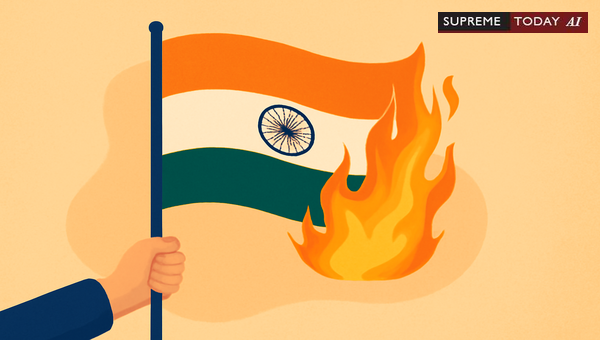
Burning Indian Flag: Bail Eligibility Explained
In a nation rich with symbolism, the Indian National Flag stands as a profound emblem of unity, integrity, and sovereignty. Yet, acts like burning the flag during protests often spark heated debates: Is it protected , or a punishable offense? A common query arises—Burning of Indian Flag Bail—as individuals facing charges wonder about their right to bail. This post delves into the legal nuances, exploring when such acts constitute crimes under Indian law and the circumstances under which courts typically grant bail. Note: This is general information, not legal advice. Consult a qualified lawyer for specific cases.
Legal Framework Governing Flag Desecration
The cornerstone legislation is , which prohibits burning, mutilating, defiling, or otherwise showing disrespect to the Indian National Flag in public view. Offenders may face imprisonment up to three years, a fine, or both 2009 0 Supreme(MP) 802 2020 0 Supreme(Mad) 933.
The is a similar piece of legislation, which is enacted to protect the Indian National Flag from burning, trampling, defacing, disfiguring, destroying, defiling or mutilating or any contemptuous act towards the Indian National Flag or the Constitution of India. 2018 0 Supreme(Raj) 1969 2017 0 Supreme(Raj) 1904
However, the Act carves out protections for democratic expression. Explanation 1 to Section 2 explicitly states: Comments expressing disapprobation or criticism of the Constitution or of the Indian National Flag or of any measures of the Government with a view to obtain an amendment of the Constitution of India or an alteration of the Indian National Flag by lawful means do not constitute an offence under this section. 2009 0 Supreme(MP) 802 1987 0 Supreme(Mad) 136. This underscores that not every act of burning equates to a crime—intent matters2009 0 Supreme(MP) 802 2020 0 Supreme(Mad) 933 2021 0 Supreme(Mad) 2774.
When Does Burning the Flag Become an Offense?
The law targets acts performed with to insult or disrespect. Mere burning, without such intent, does not automatically trigger liability. For instance:
- Prohibited acts include burning, damaging, or displaying the flag improperly in public, as outlined in Explanation 4 of Section 22009 0 Supreme(MP) 802.
- Protected acts encompass lawful criticism aimed at reform, such as protests seeking constitutional changes 2021 0 Supreme(Mad) 2774.
Courts emphasize context. The Parliament by enacting Explanation 1, expressly saved the democratic right to dissent in the exercise of which a citizen may express disapprobation or criticism of the Constitution or of the Indian National Flag... 2009 0 Supreme(Mad) 3909.
From case records, uploading videos of flag burning or adding derogatory remarks can lead to charges if seen as intentional insult. In one instance, It is alleged in the FIR that, the Petitioner uploaded a video of burning Indian National flag, on her WhatsApp status... She is also accused of uploading derogative remarks against the country... 2025 Supreme(Online)(Bom) 5129. Similarly, public processions involving flag burning to hurt the religious sentiments of other community have drawn scrutiny 2023 Supreme(Online)(JHK) 3949.
Disrespect extends beyond burning: displaying upside down, draping over objects, or letting it touch the ground may qualify as offenses 2025 0 Supreme(All) 3089.
The Critical Role of Intent in Flag Burning Cases
Intent is pivotal. Courts have ruled that mere act of burning does not automatically constitute an offense unless accompanied by disrespectful intent 2009 0 Supreme(MP) 802 2020 0 Supreme(Mad) 933 2021 0 Supreme(Mad) 2774.
- : Burning to provoke contempt or communal disharmony typically results in charges and potential bail denial 2023 Supreme(Online)(JHK) 3949.
- Lawful protest: Acts during political demonstrations, framed as dissent, often escape criminality 1994 0 Supreme(Bom) 455 1999 0 Supreme(Ker) 299.
The , while not legally binding, permits burning paper flags during events if done with dignity and not with 2009 0 Supreme(MP) 802 2021 0 Supreme(Mad) 2774. This guides judicial interpretation toward leniency in non-insulting contexts.
Bail Considerations: When Courts Grant Relief
Bail in flag burning cases hinges on proving lack of . Courts generally lean toward granting bail if the act aligns with protected expression:
- Favorable factors: Evidence of protest context, absence of additional disrespectful acts, and reliance on Explanation 1 1994 0 Supreme(Bom) 455 1999 0 Supreme(Ker) 299.
- Unfavorable factors: Clear intent to insult, like derogatory videos or communal provocation, may lead to bail rejection 2025 Supreme(Online)(Bom) 5129 2025 0 Supreme(Ker) 1852.
In one case, was considered where petitioners burned a flag of other community amid a procession, as the court weighed allegations against law and order impacts 2023 Supreme(Online)(JHK) 3949. Conversely, deliberate desecration threatens national dignity, prompting stricter stances 2021 Supreme(Online)(MAD) 14150.
Courts have granted bail in cases where acts like burning the Flag were deemed to be acts of protest or criticism, not intended to insult the nation 1994 0 Supreme(Bom) 455 1999 0 Supreme(Ker) 299.
While Indian courts prioritize national symbols, global precedents like rulings recognize flag burning as inherently under , influencing nuanced views on intent 2023 Supreme(US)(ca7) 343 2023 Supreme(US)(ca7) 342.
Exceptions, Limitations, and Practical Recommendations
Key exceptions include:- Lawful criticism for reforms 2009 0 Supreme(MP) 802.- Paper flag burning per Flag Code guidelines 2021 0 Supreme(Mad) 2774.- No proof of intent, shielding accidental or expressive acts 2021 0 Supreme(Mad) 2774 1999 0 Supreme(Ker) 299.
Recommendations for those seeking bail:- Highlight absence of malice and protest nature.- Collect contextual evidence (videos, witness statements).- Avoid acts listed in Explanation 4.- Argue protections under .
Courts scrutinize these elements, often favoring bail for non-malicious acts.
Conclusion: Context is King in Flag Burning Cases
Burning the Indian National Flag isn't per se illegal—intent and context determine criminality and bail eligibility. Under the 1971 Act, malicious disrespect invites penalties, but lawful dissent enjoys safeguards. Recent cases affirm courts' balanced approach, granting bail where protests prevail over insult 1994 0 Supreme(Bom) 455.
Key Takeaways:- Prove lack of intent for stronger bail claims.- Leverage Explanation 1 for criticism-based defenses.- Flag Code offers interpretive support.
Stay informed, express responsibly, and seek professional counsel. National symbols demand respect, yet democracy cherishes dissent.
References
- 2009 0 Supreme(MP) 802 1987 0 Supreme(Mad) 136
- Key judgments: 1994 0 Supreme(Bom) 455, 1999 0 Supreme(Ker) 299, 2023 Supreme(Online)(JHK) 3949, 2025 Supreme(Online)(Bom) 5129
This post draws from legal sources for educational purposes only.
#IndianFlagBail #NationalHonourAct #FlagDesecration















