


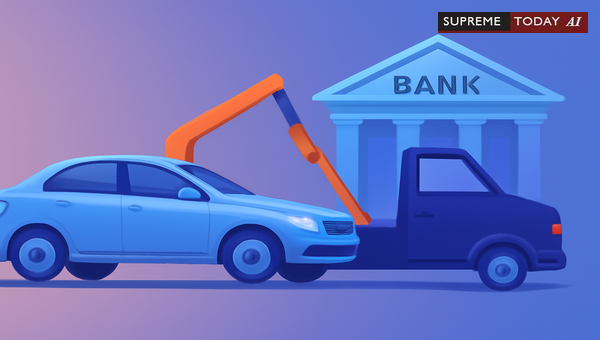
Can Banks Recover After Selling Your Car? Legal Guide
Imagine defaulting on your car loan, only to have the bank repossess and sell your vehicle. Then, unexpectedly, they start further recovery actions. A Bank Cannot Initiate the Recovery Proceedings after Selling of the Hypothecated Vehicle—or can they? This common question arises frequently among borrowers in India facing financial distress. In this post, we break down the legal nuances under the , key case laws, and borrower rights. While this provides general insights, consult a legal expert for your specific situation.
Understanding and Bank Rights
is a where the borrower retains possession of the vehicle but pledges it as for the loan. Banks secure loans through agreements, which typically grant them rights to repossess and sell the asset upon default.
2015 0 Supreme(Del) 2881
The RDDBFI Act governs debt recovery for banks and financial institutions, overriding general procedures under the for securing dues from hypothecated vehicles. 2017 0 Supreme(Gau) 313
Lakhi G. Marak VS HDFC Bank Limited - Dishonour Of Cheque ()
Key rights include:- Appointing a to take custody of the vehicle.- Selling it to recover outstanding amounts.
However, these rights have limits, especially post-sale.
Bank's Authority to Sell the Vehicle
Banks undoubtedly have the power to sell hypothecated vehicles. Courts have upheld this in various cases. For instance, in a stolen vehicle scenario, the court allowed the bank to appoint a under the RDDBFI Act, emphasizing procedural precedence. 2017 0 Supreme(Gau) 313
Similarly, execution courts handle attachments, but they cannot implead parties or release vehicles without proper applications. In one case, the court noted: has no authority to implead respondent Nos.2 and 3 as parties to execution proceedings, without any application claiming property is not tenable in law.
Byrapuram Abdul Samad, S/o. Byrapuram Abdul Hamid VS Pinjari Chand Basha, S/o. Pinjari Shalimiah
Tribunals often restrain borrowers from selling or transferring hypothecated vehicles until dues are cleared, directing bank representatives to take custody.
Legal Standing After the Sale: No Further Proceedings on the Same Asset
Once the bank sells the hypothecated vehicle, it generally cannot initiate further recovery proceedings against that specific asset. The sale concludes the bank's claim over the vehicle itself. 2012 0 Supreme(Chh) 203 1978 0 Supreme(MP) 956
Courts have ruled consistently: The sale of the vehicle effectively concludes the bank's claim over that specific asset, although the borrower remains liable for any outstanding loan amounts. 1991 0 Supreme(MP) 319 2010 5 Supreme 39
This principle aligns with the bank's duty to . Under , banks must take reasonable steps to sell seized vehicles promptly to avoid . In a notable case, the court held that delaying sale for 13 years absolved the borrower and guarantors: the bank failed to take proper care of the seized vehicle and did not mitigate the loss, leading to significant in value. 2015 0 Supreme(J&K) 663
Borrowers remain liable for the balance dues after sale proceeds are adjusted. Banks can pursue other assets or via RDDBFI or .
Relevant Case Findings and Precedents
Stolen or Disputed Vehicles: Even if stolen, banks can recover via RDDBFI procedures. However, post-sale, no further action on the vehicle. 2017 0 Supreme(Gau) 313
Execution Proceedings: Courts dismiss attempts to sell vehicles in execution if exists, prioritizing finance companies. The said vehicle cannot be sold in the execution proceedings.
Byrapuram Abdul Samad, S/o. Byrapuram Abdul Hamid VS Pinjari Chand Basha, S/o. Pinjari Shalimiah
DRT Restraints: often permit custody but restrain sales until hearings.
ICICI BANK LIMITED vs YASH TRANS LOGISTICS PVT LTD AND ANR
Insurance and Theft Claims: In theft cases, delays in claims don't bar recovery if explained, but banks must act swiftly post-seizure. Related consumer disputes highlight borrower hardships when vehicles are auctioned due to unresolved insurance.
Shriram General Insurance Co. Ltd. VS Malan Nivruti Kamble
Forcible Possession: Courts deny arbitration if possession is taken forcibly, pushing matters to civil suits.
These cases underscore that while banks have strong initial rights, post-sale actions shift to residual dues only.
Borrower's Protections and Bank Obligations
Borrowers should note:- Documentation is Key: Maintain records of all communications, sale proceeds, and adjustments to challenge excesses. 2022 Supreme(Online)(MAD) 14661
Mitigation Duty: Banks cannot let assets depreciate unnecessarily. Failure can reduce borrower liability. 2015 0 Supreme(J&K) 663
No Double Recovery: Post-sale, proceedings under the same end for that asset.
In insurance-linked hypothecations, settlements per surveyor reports protect insurers, indirectly affecting bank recoveries.
WORLD WIDE IMMIGRATION CONSULTANCY SERVICES LTD. VS RELIANCE GENERAL INSURANCE CO. LTD.
Recommendations for Borrowers
- Settle outstanding dues promptly to avoid further actions.
- Challenge undue delays in sales or improper procedures in DRT.
Seek if defending claims.
Consult advocates specializing in banking law before responding to notices.
Conclusion and Key Takeaways
In summary, banks can repossess and sell hypothecated vehicles under the RDDBFI Act, but cannot initiate recovery proceedings after selling the vehicle for that asset. Borrowers stay liable for shortfalls, and banks must diligently. This balance protects lenders while curbing overreach.
Key Takeaways:- RDDBFI Act prevails over CrPC.
Lakhi G. Marak VS HDFC Bank Limited - Dishonour Of Cheque ()
- Sale finalizes claim on the vehicle. 1978 0 Supreme(MP) 956- Document everything; act swiftly on defaults.This article is for informational purposes only and not legal advice. Laws evolve, and outcomes depend on facts. Always seek professional counsel.
References:2017 0 Supreme(Gau) 313
2012 0 Supreme(Chh) 203 1991 0 Supreme(MP) 319 2010 5 Supreme 39
Lakhi G. Marak VS HDFC Bank Limited - Dishonour Of Cheque ()
2015 0 Supreme(Del) 2881Byrapuram Abdul Samad, S/o. Byrapuram Abdul Hamid VS Pinjari Chand Basha, S/o. Pinjari Shalimiah
2015 0 Supreme(J&K) 663 #BankRecovery #HypothecatedVehicle #DebtLawIndia















