


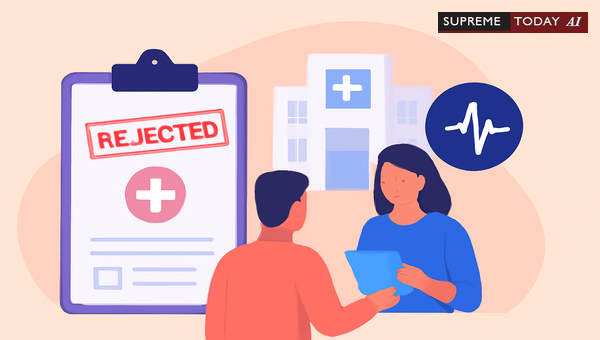
CGHS Medical Reimbursement: Fighting Unfair Denials
In the realm of government health schemes like the , beneficiaries often face frustrating denials of medical reimbursements. A common grievance is unfair reimbursement of medical claims by CGHS, where legitimate expenses are rejected on technical grounds, even in emergencies or at non-empanelled hospitals. If you've experienced this, you're not alone. Courts have repeatedly intervened to protect claimants' rights, emphasizing that health is a under . This post breaks down key legal principles, court rulings, and practical steps to navigate such issues.
Note: This article provides general information based on judicial precedents and is not a substitute for professional legal advice. Consult a lawyer for your specific case.
Main Legal Finding
Reimbursement of medical expenses under CGHS is governed by scheme rules, government orders, and constitutional protections. Courts have ruled that claims must be evaluated on factual merits—actual treatment, supporting documents, and —rather than rigid technicalities. Denials solely because treatment occurred in non-network hospitals or deviated from standard procedures are often unsustainable, especially in emergencies. Grievance mechanisms like , , and are binding unless properly appealed. 2023 5 Supreme 334 2021 0 Supreme(Mad) 925 2020 0 Supreme(Mad) 57
This approach stems from the recognition that denying reimbursement in genuine cases undermines the social welfare intent of schemes like CGHS. For instance, one ruling notes that reimbursement has got a and intention, ensuring beneficiaries aren't deprived of essential aid.
Key Points from Judicial Precedents
- Merit-Based Decisions: Claims hinge on proof of treatment via certified records, not formalities alone. 2023 5 Supreme 334 2021 0 Supreme(Mad) 925 2020 0 Supreme(Mad) 57
- Non-Network and Emergency Treatment: Reimbursement can't be denied just for using non-empanelled facilities in urgencies, if justified medically. 2021 0 Supreme(Mad) 925 2020 0 Supreme(Mad) 57
- Binding Grievance Bodies: DLEC, SLEC, and HLEC decisions must be honored; arbitrary overrides are illegal. 2021 0 Supreme(Mad) 925
- Constitutional Backing: Medical reimbursement ties to Article 21's right to life and health; technical lapses don't justify denial of valid claims. 2023 5 Supreme 334 2021 0 Supreme(Mad) 925
- Scheme Flexibility: Policies allow emergencies outside networks with proper evidence. 2021 0 Supreme(Mad) 925 2021 0 Supreme(Del) 2463
These principles align with broader High Court observations, such as rejecting when treatment by expert doctors outside government hospitals is necessary.
Detailed Analysis: Navigating CGHS Reimbursement Challenges
Reimbursement Under CGHS Schemes and Orders
CGHS guidelines prioritize beneficiary access to care, with provisions for emergencies and non-network treatment when unavoidable. Courts clarify that scheme administrators must follow redressal hierarchies. For example, decisions from DLEC/SLEC/HLEC are final unless appealed per protocol—insurers can't unilaterally dismiss them. 2021 0 Supreme(Mad) 925
In practice, this means submitting complete bills, prescriptions, and discharge summaries promptly. Partial rejections, like those seen in cases of piecemeal processing, can be challenged if full documentation supports the claim.
Treatment in Non-Network Hospitals and Emergencies
A frequent denial reason is treatment at . However, courts stress: emergencies demand immediate action, and doctors—not bureaucrats—decide necessity. A pivotal ruling states, The real test must be the . Before any medical claim is honoured, the authorities are bound to ensure as to whether the Claimant had actually taken treatment and the is supported by records duly certified by Doctors/Hospitals concerned. Once, it is established, the claim cannot be denied on technical grounds. 2020 0 Supreme(Mad) 57
This echoes sentiments in other cases, where full reimbursement was directed for actual expenditures, overriding partial acceptances based on rigid rules.
Courts have quashed hyper-technical rejections, affirming no bar to benefits if non-government experts treated the patient appropriately.
Grievance Redressal Mechanisms: Your First Line of Defense
CGHS mandates structured appeals: start with local wellness centers, escalate to DLEC/SLEC/HLEC. These bodies' recommendations bind authorities; ignoring them invites judicial scrutiny. One judgment deems such rejections illegal, as schemes explicitly outline appeals. 2021 0 Supreme(Mad) 925
Claimants should exhaust these before courts, documenting every step. Failure to do so may weaken .
Constitutional and Legal Safeguards
Article 21 elevates health to a , compelling schemes to avoid unjust denials. Courts hold that procedural hiccups pale against life-saving needs, provided records substantiate claims. 2023 5 Supreme 334 2021 0 Supreme(Del) 2463
This welfare-oriented view ensures reimbursement isn't a mere formality but a right, preventing deprivation through bureaucratic hurdles.
Limitations and Common Pitfalls
While courts favor claimants, success requires:- Proper documentation (bills, medico-legal certificates, etc.)- Proof of emergency/non-availability of network facilities- Exhaustion of internal remedies
Unsubstantiated or delayed claims risk rejection. Schemes don't cover elective procedures outside panels without prior approval. 2021 0 Supreme(Mad) 925
Practical Recommendations for CGHS Beneficiaries
To maximize reimbursement chances:- Gather Evidence Meticulously: Collect all bills, reports, and doctor certifications immediately.- Leverage Grievance Channels: File with DLEC/SLEC/HLEC promptly; track via CGHS portal.- Appeal Rejections: Use scheme timelines; document communications.- Seek Judicial Relief if Needed: Approach via writs if internal remedies fail, citing precedents.- Stay Informed: Monitor CGHS circulars for updates on empanelments and rules.
Authorities, too, should prioritize merit over technicalities, respecting committee decisions in good-faith claims.
Conclusion: Empowering Your Health Rights
Unfair CGHS medical reimbursements often stem from misapplied rules, but judicial trends favor accessible healthcare. By focusing on evidence, procedures, and rights under Article 21, beneficiaries can challenge denials effectively. Cases like those referenced show courts mandating payments in emergencies and non-network scenarios, underscoring schemes' benevolent purpose.
Key Takeaways:- Prioritize medical proof over formalities. 2020 0 Supreme(Mad) 57- Exhaust grievance mechanisms. 2021 0 Supreme(Mad) 925- Invoke constitutional protections for emergencies. 2023 5 Supreme 334
Stay proactive—your health claims deserve fair consideration.
References
- 2023 5 Supreme 334: Binding scheme orders and evidence importance.
- 2021 0 Supreme(Mad) 925: Grievance procedures and non-network rulings.
- 2020 0 Supreme(Mad) 57: test.
- 2021 0 Supreme(Del) 2463: Article 21 linkage.
: .
: Against hyper-technical denials.
: Full vs. piecemeal reimbursement.
: Full bill reimbursements.
This analysis draws solely from cited documents for informational purposes.
#CGHSReimbursement, #MedicalClaims, #HealthRights












