


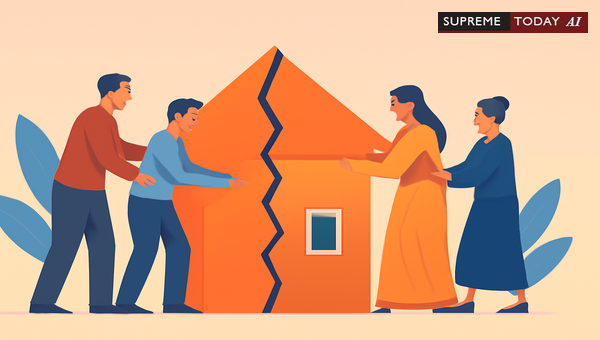
Can Class 2 Heirs File a Including Class 1 Heirs?
In the complex world of inheritance under Hindu law, property disputes often arise among heirs of different classes. A common question that surfaces is: Class 2 heirs can file a by including Class 1 level heirs? This query touches on critical aspects of the , and procedural rules under the . Understanding who qualifies as and how to properly include them can make or break a .
This blog post breaks down the legal landscape, drawing from judicial precedents and procedural guidelines. Note that this is general information based on established principles and should not be considered specific legal advice. Consult a qualified lawyer for your unique situation.
Understanding Class 1 and Class 2 Heirs Under Hindu Succession Act
The Hindu Succession Act classifies heirs into two main categories:- Class 1 Heirs: These are primary successors, including sons, daughters, widows, and mothers of the deceased. They have a preferential right to inherit property. For instance, daughters of the deceased are explicitly recognized as Class 1 heirs with undeniable shares in .- Class 2 Heirs: These include more remote relatives like brothers, sisters, and paternal grandparents. They inherit only if there are no Class 1 heirs.
In partition suits, which seek division of , all potential claimants must typically be joined as parties to ensure complete adjudication. But can a Class 2 heir initiate such a suit and rope in Class 1 heirs?
Rights of Class 2 Heirs to Initiate a
Class 2 heirs generally have secondary claims, but they may still have standing to file a if they assert a legitimate share in the property. However, legal documents do not explicitly permit Class 2 heirs to file independently without considering Class 1 heirs' superior rights. The focus remains on whether parties are necessary or based on their entitlement to a share.
Class 2 heirs, being more remote, are not always discussed prominently in partition contexts. Their involvement depends on the absence or exclusion of Class 1 heirs, but courts prioritize complete resolution. Typically, if Class 1 heirs exist, they must be included to avoid fragmented litigation.
Inclusion of Class 1 Heirs: A Legal Imperative
Class 1 heirs, such as daughters, are in partition suits. Courts have held that their shares must be determined during trial. For example, Daughters of the deceased, identified as Class I heirs, are recognized as in partition suits, with their share to be determined at trial 2018 0 Supreme(Mad) 906.
Excluding them risks dismissal or remand. The court emphasizes their right to inclusion, ensuring equitable division. Class 2 heirs cannot bypass this; including Class 1 heirs strengthens the suit's validity.
In practice, if Class 1 heirs were not initially named, plaintiffs must seek court permission. This aligns with principles that all heirs with potential shares are indispensable for effective relief.
Legal Procedure for Adding Parties in Partition Suits
Filing a requires precision under CPC provisions:1. Initial Pleadings: Ideally, include all known heirs from the outset, especially Class 1.2. Amending the Suit: If heirs deviate from original pleadings or new claimants emerge, file an application under to implead additional parties. When heirs deviate from the original pleadings, they are required to seek permission or file an application under to include additional parties or alter the scope of the suit 2022 0 Supreme(Chh) 496.
This rule allows courts to add at any stage for just resolution. In one case, It is open to the petitioner to implead herself in her independent capacity under Order 1, Rule 10 or retain the right to file independent suit asserting her own right
. This underscores flexibility but mandates procedural compliance.
Failure to follow these steps may lead to objections or delays. Courts in partition matters, like those distinguishing joint family from separate properties, stress joinder to avoid .
Insights from Relevant Case Law
Judicial precedents reinforce these principles:- In partition disputes over joint family properties, courts clarify ownership and mandate inclusion of all rightful claimants. For example, have upheld maintenance claims alongside partition, affirming husbands' duties while dividing assets appropriately.- Dismissals occur when suits fail to distinguish property types or omit key parties, as seen in cases confirming judgments on specific items 2025 Supreme(Online)(Mad) 51818.
These rulings highlight that Class 2 heirs' suits succeed only with procedural rigor, particularly when Class 1 rights are at stake. The emphasis is on comprehensive adjudication to prevent multiplicity of suits.
Challenges and Best Practices for Class 2 Heirs
Class 2 heirs face hurdles:- Proving Entitlement: Demonstrate no surviving Class 1 heirs or .- Evidence Gathering: Use , family trees, and property documents.- Strategic Inclusion: Proactively name Class 1 heirs to preempt challenges.
Recommendations:- File with all potential parties initially.- Seek legal opinion pre-filing.- Prepare for , common in partition suits, where shares are allotted before final division.
Key Takeaways and Conclusion
While Class 2 heirs may file a if they are necessary or parties, including Class 1 heirs requires adherence to CPC procedures like Order 1 Rule 10. Class 1 heirs, such as daughters, are indispensable, with shares adjudicated at trial 2018 0 Supreme(Mad) 906. Legal documents confirm no independent right for Class 2 heirs to include them without permission 2022 0 Supreme(Chh) 496.
In summary:- Prioritize joinder of Class 1 heirs from the start.- Follow procedural steps for amendments.- Ensure suits distinguish joint vs. separate properties for stronger claims.
Partition suits demand meticulous planning. By understanding these nuances, heirs can navigate inheritance disputes effectively. Always consult a legal expert to tailor strategies to your case, as outcomes vary by facts and jurisdiction.
This post is for informational purposes only and does not constitute legal advice.
#PartitionSuit #HeirsRights #HinduSuccession















