


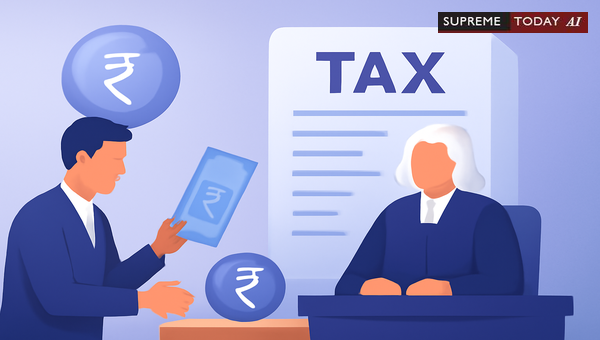
Court's Discretion on Referring Cash Transactions Over ₹2 Lakh to Income Tax Authorities
In today's cash-heavy economy, large cash transactions often raise red flags under Indian tax laws. A common query among litigants and businesses is: Need a judgment which says that it is discretion of court to refer matter to income tax in cases where cash transaction is there above 2 lacs. This question touches on the interplay between and income tax authorities, particularly under , which prohibits cash receipts exceeding ₹2 lakhs in a single day or for one event/transaction.
While courts play a pivotal role in scrutinizing such claims, the legal framework blends mandatory reporting with discretionary enforcement. This post breaks down key judgments, obligations, and nuances to help you navigate this area. Note: This is general information based on referenced documents and not specific legal advice—consult a professional for your case.
Main Legal Finding
The documents do not position referral as solely discretionary; instead, courts are generally directed to intimate income tax authorities about cash claims of ₹2 lakhs or more in suits. However, income tax authorities hold discretion in pursuing verification or penalties, especially for . This balance ensures compliance without undue harassment.
Key judgments affirm:- Courts must report such transactions for verification under Section 269ST. 2025 0 Supreme(SC) 636- Authorities may waive penalties if transactions are genuine. 2006 0 Supreme(Mad) 188
Court's Obligation to Report Large Cash Transactions
When a suit involves a claim of cash payment ≥ ₹2 lakhs, courts typically must notify the jurisdictional . A pivotal directive states:
Whenever, a suit is filed with a claim that Rs. 2,00,000/- and above is paid by cash towards any transaction, the courts must intimate the same to the jurisdictional to verify the transaction and the violation of Section 269ST of the Income Tax Act, if any. 2025 0 Supreme(SC) 636
This procedural mandate stems from public interest in curbing . Upon receipt:
Whenever, any such information is received either from the court or otherwise, the shall take appropriate steps by following the . 2025 0 Supreme(SC) 636
Thus, while reporting is obligatory, the court's role is facilitative, not adjudicatory on tax violations.
Discretion of Income Tax Authorities in Enforcement
Post-referral, income tax officials exercise significant leeway. They assess if penalties under Sections like 271D (for Section 269ST breaches) apply, considering circumstances.
The authorities have the discretion not to levy penalty if there was a genuine and bona fide transaction and the taxpayer could not comply with the provisions for a . 2006 0 Supreme(Mad) 188
This mirrors broader tax jurisprudence. For instance, in under , courts have emphasized opportunities for assessees to prove genuineness, such as via confirmatory letters from payees insisting on cash due to banking constraints ((j)). 2003 0 Supreme(Ker) 526
Relatedly, rulings highlight that genuine payments to suppliers, even in cash, may qualify for exceptions if covered by , underscoring discretionary relief for bona fide cases. 2014 0 Supreme(Guj) 264
Judicial and Administrative Discretion in Practice
Courts reinforce that actions like transaction verification serve public interest and fall within official duties, without automatically triggering liability. 2006 0 Supreme(Mad) 188
Other precedents echo this discretion theme:- In penalty impositions, need not always refer to higher authorities if jurisdiction exists. 1995 0 Supreme(Ker) 113- hold discretion in ordering deposits from accused appellants, implied by permissive language like 'may'. 2025 Supreme(Online)(Bom) 169097- For advance tax interest under , timing within the financial year matters over penalties, showing contextual discretion. 1982 0 Supreme(Ker) 22
These illustrate a pattern: Tax laws vest authorities with flexibility, guided by reasonableness and evidence.
Exceptions and Limitations
Not every cash claim ≥ ₹2 lakhs leads to action:- Mandatory Reporting, Discretionary Action: Courts inform, but IT decides on probes/penalties. 2025 0 Supreme(SC) 636 2006 0 Supreme(Mad) 188- Bona Fide Defense: Genuine transactions with escape penalties. 2006 0 Supreme(Mad) 188- Procedural Safeguards: Assessees get chances to produce evidence, e.g., under for unavoidable cash payments. 2003 0 Supreme(Ker) 526- No Automatic Prosecution: Referral verifies compliance, not presumes guilt.
Limitations include judicial oversight; arbitrary discretion can be challenged. For example, granting without material is deemed . 2009 0 Supreme(Del) 1379
Practical Recommendations for Compliance
To avoid pitfalls:- Litigants: Document large cash deals with bank proofs or affidavits; prefer digital modes.- Courts: Routinely intimate IT for claims ≥ ₹2 lakhs to uphold Section 269ST.- Taxpayers: If referred, promptly furnish evidence of genuineness; leverage exceptions.- Authorities: Exercise discretion judiciously, prioritizing bona fides over rigidity.
Clear guidelines prevent arbitrariness, aligning with principles in under , where courts guide by equity. 2008 0 Supreme(Bom) 1355
Key Takeaways
- Courts generally must refer cash transaction claims ≥ ₹2 lakhs to IT for Section 269ST checks, but enforcement is discretionary. 2025 0 Supreme(SC) 636
- Penalties hinge on transaction validity; bona fide cases often spared. 2006 0 Supreme(Mad) 188
- Broader tax discretion (e.g., penalties, cash allowances) favors evidence-based decisions.
Staying compliant minimizes risks in suits involving cash. For tailored guidance, engage a tax lawyer. This analysis draws solely from cited documents; evolving case law may apply.
References:1. 2025 0 Supreme(SC) 636: Court reporting mandate.2. 2006 0 Supreme(Mad) 188: Authority discretion on penalties.3. Additional contexts from 2003 0 Supreme(Ker) 526, 2014 0 Supreme(Guj) 264, etc.
#IncomeTaxIndia, #CashTransactions, #LegalDiscretion












