


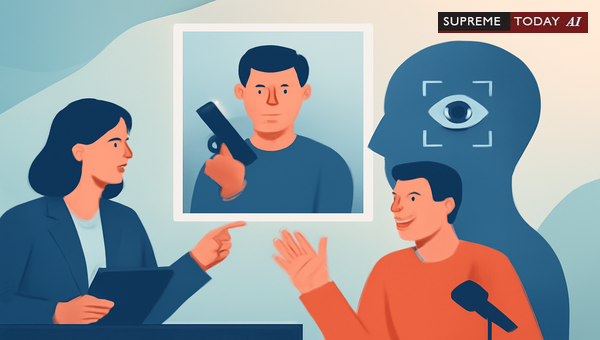
Top Questions for Gun Shooter Witnesses
In high-stakes criminal cases involving shootings, the identification of the alleged gun shooter by an eyewitness can make or break the . Defense attorneys often rely on skillful to expose weaknesses in , such as poor visibility, emotional distress, or inconsistencies with prior statements. If you're handling Questions to Cross Examination of Gun Shooter, this guide provides a structured approach with 10 targeted questions, backed by real-world case insights.
Eyewitness accounts in shooting incidents are notoriously unreliable due to factors like adrenaline, fleeting glimpses, and suggestive influences. Courts have repeatedly scrutinized such testimonies, emphasizing the need for rigorous testing. This article explores effective strategies, drawing from to help attorneys undermine shaky identifications while reminding readers: this is general information, not specific legal advice—consult a qualified attorney for your case.
Why is Crucial in Gun Shooting Cases
serves as the primary tool to test witness reliability . In shooting cases, witnesses may claim to have seen the shooter clearly, but factors like lighting, distance, and panic often distort memory. For instance, courts have noted initial hesitations in identifications that later solidify. In one case, a witness acknowledged that he initially told he was not sure what the shooter was wearing and did not identify the shooter as Dowty, but rather referred to the shooter as simply 'that guy.' 2020 Supreme(US)(ca8) 292
Similarly, discrepancies in descriptions or delays in reporting can create . highlight how reveals biases, prior interactions, or lack of training in high-stress identifications. 2018 Supreme(US)(ca7) 340 Effective questioning not only challenges perception but also exposes motives or inconsistencies with other evidence, such as forensic reports or conflicting witness accounts.
10 Powerful Questions for Shooter Witnesses
Here are 10 carefully crafted questions, originally derived from proven defense tactics. Each is explained with tips on follow-up and why it works, expanded for courtroom impact. Use these to systematically dismantle the witness's confidence.
- Can you describe the lighting conditions at the time of the incident? How confident are you in your ability to identify the shooter under those conditions?
Why it works: Poor lighting is a common flaw. Probe for details like dusk, shadows, or artificial light. Link to cases where identification under dim conditions was doubted, as electric light sources weren't always verified by investigators. 2010 0 Supreme(Pat) 2621
You mentioned seeing the shooter from a distance. How far away were you, and what obstacles, if any, were between you and the shooter that could have obstructed your view?
Why it works: Distance dilutes accuracy. Follow up with diagrams or measurements. Courts have acquitted based on unproven places of occurrence and visibility issues. 2022 0 Supreme(Pat) 241
In your statement, you indicated that you heard a gunshot and then saw the shooter. How much time elapsed between the gunshot and your sighting of the shooter?
Why it works: Time lags allow misattribution. Stress-induced memory gaps are common; tie to on perception delays.
Have you ever had any prior interactions with the accused that could influence your perception of them during this incident?
Why it works: Bias from grudges or familiarity sways IDs. Sources note litigating parties influencing testimony. 2022 0 Supreme(Pat) 241
You stated that you were in a state of panic during the event. How do you believe that affected your ability to accurately recall the details of what you witnessed?
Why it works: Adrenaline impairs focus (tunnel vision). Courts uphold convictions only with consistent, credible accounts withstand cross-exam. 2023 0 Supreme(Del) 1662
Are you aware of any other witnesses who have provided a different account of the events? If so, how do you explain those discrepancies?
Why it works: Highlights contradictions. In one appeal, inconsistent eye-witnesses led to due to unrecovered evidence like blood or cartridges. 2022 0 Supreme(Pat) 241
What specific training or experience do you have that qualifies you to identify a shooter in a high-stress situation?
Why it works: Most civilians lack expertise. Contrast with professionals; even experts falter without it.
Did you report your observations to immediately after the incident? If not, can you explain why there was a delay?
Why it works: Delays suggest fabrication. Cases show suspicious FIRs or late statements creating doubt. 2022 0 Supreme(Pat) 241
You mentioned seeing the shooter wearing a specific outfit. Can you confirm that detail, and how certain are you about the accuracy of your recollection?
Why it works: Clothing mismatches are gold. As in the cited case, initial uncertainty about attire undermines later certainty. 2020 Supreme(US)(ca8) 292
Is there any reason you might have to exaggerate or misrepresent what you witnessed that day?
- Why it works: Probes motive subtly. Ties to backgrounds like criminal history revealed on cross. 2018 Supreme(US)(ca7) 340
These questions form a logical progression: perception → memory → bias → consistency.
Lessons from Case Law: Undermining Eyewitness Testimony
Judicial decisions reinforce these tactics. In a murder conviction upheld, eye-witnesses stood the test of and clearly stated that it was the appellant who had fired the shot. 2023 0 Supreme(Del) 1662 Consistency was key, alongside forensic links like gun recovery.
Conversely, acquittals stem from flaws exposed on cross. One case noted, There are contradictions in evidence of witnesses and same are not believable... Prosecution has miserably failed. 2022 0 Supreme(Pat) 241 No blood at the scene, delayed statements, and party enmity doomed the case. Another highlighted non-recovery of empties or blood despite prompt investigation, casting doubt on witness presence. 2022 0 Supreme(Pat) 241
Forensic mismatches also help: A opined on gun usage, but cross revealed position inconsistencies, like shots from the side. 2011 0 Supreme(Raj) 408 2020 0 Supreme(All) 723 Even or stashed weapons don't always seal guilt if IDs waver. 2021 Supreme(US)(ca7) 285
In land dispute shootings, motive exists, but courts demand corroborated testimony. 2023 0 Supreme(Del) 1662 Defective investigations can't override solid cross-exam revelations. 2011 0 Supreme(Raj) 408
Key Takeaways for Defense Strategies
- Prioritize perception challenges: Lighting, distance, and stress are universal vulnerabilities.
- Exploit inconsistencies: Compare trial testimony to initial reports.
- Leverage forensics: Question alignments with medical or ballistic evidence.
- Build doubt cumulatively: One weak answer snowballs.
Mastering these questions can shift narratives in gun shooter cases. While convictions rely on credible witnesses, skilled often tips scales toward or reduced charges. Always tailor to facts and remember: outcomes vary by jurisdiction and evidence.
This post is for informational purposes only and does not constitute legal advice. Seek professional counsel for case-specific guidance.
#CrossExamination, #CriminalDefense, #EyewitnessTestimony















