


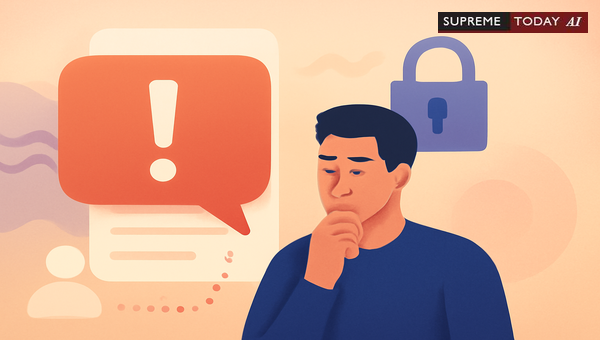
Case Laws on Reputation Violation by Sharing Personal Experiences
In today's digital age, sharing personal experiences on social media, blogs, or forums has become commonplace. However, what happens when such sharing crosses the line into harming someone's reputation? The legal question at hand—Case Laws for Violation of Reputation by Sharing Personal Experience—is increasingly relevant as online disclosures can lead to claims, breaches, and reputational damage. This blog post delves into key Indian case laws, constitutional protections, and practical implications, drawing from established precedents to help you navigate these issues.
Note: This article provides general information and is not a substitute for professional legal advice. Consult a qualified lawyer for your specific situation.
The : A Fundamental
The is enshrined as a core component of personal rights in India, protected under Article 21 of the Constitution, which guarantees the right to life and personal liberty. Courts have consistently held that reputation is defined as the good opinion others hold of an individual, and it is considered a . An injury to reputation is treated as a , akin to violations of life and liberty 2013 6 Supreme 323.
Furthermore, A good reputation is an element of and is protected by the Constitution equally with the right to the enjoyment of life, liberty and property 2020 0 Supreme(Gau) 678 2020 0 Supreme(J&K) 706 2018 0 Supreme(All) 1396. This protection underscores that reputation is not just a social construct but a essential for and 2021 0 Supreme(All) 201 2011 0 Supreme(Mad) 3232.
Key Case Laws Protecting Reputation
Indian jurisprudence offers a robust framework through landmark judgments. Here are some pivotal cases:
: The affirmed that reputation is a part of personal liberty and must be protected from unjust attacks 2023 3 Supreme 200.
: The Court ruled that decisions impacting reputation must follow principles, ensuring a
2020 0 Supreme(MP) 1177.
: This case reinforced that the right to a good reputation is vital for society and constitutionally safeguarded 2015 0 Supreme(Ori) 253.
: Emphasized preserving reputation as a noble quality, with adverse comments requiring 2020 0 Supreme(MP) 1177.
: Reiterated reputation as a under Article 21, with violations inviting legal action 2021 0 Supreme(All) 201.
These cases establish that unjustified attacks on reputation, including through shared personal narratives, are actionable.
Sharing Personal Experiences: , , and Conflicts
While freedom of speech under is vital, it is not absolute. Sharing personal experiences that include can constitute or , leading to claims. Sharing personal experiences that contain can lead to claims. The law protects individuals from that can damage their reputation 2013 6 Supreme 323.
and Reputation vs.
Courts often prioritize and reputation over unrestricted speech, especially online. In cases like those referenced in 2023 0 Supreme(Ker) 920 and 2023 0 Supreme(Ker) 968, petitioners argued that his right to and reputation would override the right to and expression. Courts directed removal of identity-disclosing content from platforms like , highlighting perpetual online harm.
Personal rights of a human being include the right of reputation. Reputation has been defined in dictionary as 'to have a ; the which is derived from a favourable public opinion or esteem and character by report' 2020 0 Supreme(Gau) 678.
as
is treated as a : In case of , , violation etc.; . Therefore, in such cases, the and does not passes on to his legal representatives 2025 Supreme(Online)(Guj) 12023. False publications actuated by malice can result in damages 2024 0 Supreme(All) 1984.
Online Harms: and Reputational Damage
Sharing experiences leading to —revealing personal info without consent—poses significant risks. In 2024 0 Supreme(Del) 385, the court ordered removal of offending tweets, noting harm to professional and personal standing and reputation, even if initial posts were anonymous. Though India lacks specific laws, principles apply.
Legal Remedies and Principles of
Victims can seek injunctions, content removal, and damages. Authorities must provide fair hearings before actions affecting reputation
2020 0 Supreme(MP) 1177. Courts have issued orders for removing defamatory or -violating content 2023 0 Supreme(Ker) 920 2024 0 Supreme(Del) 385.
In consumer contexts, unauthorized use of personal data like mobile numbers violates , warranting protection 2025 Supreme(Online)(SCDRC) 33125 2025 Supreme(Online)(SCDRC) 31201. Even international analogies, like US cases, affirm standing for reputation injuries 2023 Supreme(US)(ca9) 392.
Balance between the and the right to freedom of speech needs to be struck; reputation of one cannot be allowed to be crucified at the altar 2019 0 Supreme(Del) 2363.
Practical Implications and Recommendations
- For Individuals: Before sharing experiences, verify facts to avoid suits. If harmed, document evidence and seek injunctions promptly.
- For Platforms/Businesses: Implement data protection measures; unauthorized sharing can lead to liability 2023 Supreme(Online)(MAD) 44376.
- Awareness: Educate on and constitutional rights to prevent violations.
Seek legal counsel for reputational harm to explore or claims.
Conclusion and Key Takeaways
Case laws firmly protect reputation as a facet of Article 21, often overriding when sharing personal experiences causes harm. From as 2025 Supreme(Online)(Guj) 12023 to online remedies 2024 0 Supreme(Del) 385, courts prioritize . Key takeaways:- Reputation is constitutionally protected; violations through false or malicious sharing are actionable.- Balance with —courts favor removal of harmful content.- Always adhere to for fair outcomes.
By understanding these precedents, individuals can safeguard their rights in the digital era. Stay informed, share responsibly.
References: 2013 6 Supreme 323
2015 0 Supreme(Ori) 253 2021 0 Supreme(All) 201 2020 0 Supreme(MP) 1177
2011 0 Supreme(Mad) 3232 2023 0 Supreme(Ker) 920 2023 0 Supreme(Ker) 968 2024 0 Supreme(Del) 385 2025 Supreme(Online)(Guj) 12023 2024 0 Supreme(All) 1984 2020 0 Supreme(Gau) 678 2020 0 Supreme(J&K) 706 2019 0 Supreme(Del) 2363 2018 0 Supreme(All) 1396 #ReputationLaw, #DefamationIndia, #PrivacyRights















