


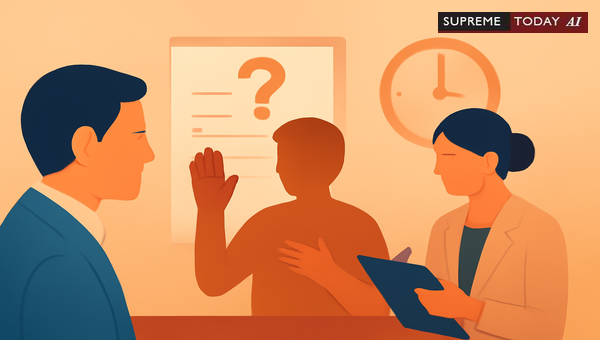
Delayed Eyewitness Disclosure: Does It Undermine Your Case?
In high-stakes criminal trials, eyewitness testimony often serves as the cornerstone of the prosecution's case. But what happens when an eyewitness does not disclose the truth to police immediately? This common scenario—Eye Witness does Not Disclose Truth to Police Immediately—raises critical questions about reliability and can dramatically shift the outcome of a case. Courts, particularly in India, scrutinize such delays rigorously, often viewing them as red flags for fabrication, bias, or inconsistency.
This blog post delves into the legal implications of delayed eyewitness disclosures, drawing from Supreme Court precedents and key case laws. We'll explore why immediacy matters, how courts assess credibility, and practical strategies for defense. Note: This is general information based on legal principles and is not specific legal advice. Consult a qualified attorney for your situation.
Key Legal Principles on Eyewitness Credibility
Eyewitnesses are expected to provide immediate and consistent accounts of events. A delay in disclosure can significantly undermine their credibility, as courts presume that truthful witnesses would report promptly without external influence. The Supreme Court has consistently held that failure to disclose the identity of the accused right after the incident casts serious doubts on reliability. For instance, if a witness only implicates the accused after a considerable delay, it suggests potential fabrication or coaching. 2004 0 Supreme(SC) 689 1973 0 Supreme(SC) 372
Judicial Scrutiny of Delays and Inconsistencies
Courts must thoroughly examine eyewitness testimony, especially amid delays or contradictions. The absence of immediate disclosure often leads judges to deem the witness unreliable or untruthful. 1985 0 Supreme(SC) 236 2004 4 Supreme 345 Witnesses should not only describe what they saw but do so without significant delay—failure here can result in outright rejection of their evidence. 2007 1 Supreme 31 2023 1 Supreme 336
Additional judicial insights reinforce this: In one case, a witness claimed shock due to a family member's death but had not stated in his section 161 Cr.P.C. statement that he was a heart patient or in shock, preventing earlier disclosure. The court noted all three eyewitnesses were related and categorized as chance witnesses, further eroding trust. 2024 0 Supreme(J&K) 155
Similarly, delays in recording statements of self-proclaimed eyewitnesses (e.g., PW-6 and PW-7) were highlighted as reasons not to believe their evidence, compounded by inconsistencies in the incident spot. 2019 0 Supreme(Kar) 264
Bias from Relationships and Chance Witnesses
Testimony from witnesses related to the victim warrants caution due to potential bias or enmity. Close relatives may distort facts, so courts demand corroboration by independent evidence. 2011 4 Supreme 341 2023 3 Supreme 32
Other sources echo this: Witnesses often fall into the chance witness category, especially if related, and their non-disclosure of assailants immediately—citing shock or fear—invites skepticism. Courts note that while discrepancies are common, they don't automatically invalidate testimony unless credibility is fundamentally compromised. However, delayed reporting or non-disclosure of names until after the FIR is not fatal if explained (e.g., emotional trauma), but lack of corroboration weakens the case. 2025 0 Supreme(Gau) 1122 2025 0 Supreme(Guj) 1206 2023 0 Supreme(MP) 377
Hearsay from hostile witnesses (e.g., PW-4, PW-5) further diminishes value, as they lacked direct observation. 2024 0 Supreme(Pat) 391 2025 0 Supreme(Guj) 1680
Landmark Case Law Examples
Indian courts have repeatedly addressed delayed disclosures:
- State of U.P. v. Krishna Gopal: Credible eyewitness accounts are paramount; discrepancies or delays create doubts in the prosecution's case. 2007 1 Supreme 31
- In another ruling, a sole eyewitness's testimony was rejected due to significant delays and inconsistencies, leading to acquittal. 1996 5 Supreme 818
More examples abound:- Police statements of eyewitnesses recorded after three months were liable to rejection for delay. 2015 0 Supreme(Pat) 1103- A witness claiming to be an eyewitness did not disclose what he had seen to the police, and failed to inform promptly despite knowledge. 2009 0 Supreme(Cal) 932- One witness did not disclose facts even when police arrived at the spot, only appearing as an eyewitness after 25 days. 2009 0 Supreme(Raj) 1649
These cases illustrate a pattern: Several witnesses, including PW-1, PW-6, failed to name assailants immediately, citing shock or ignorance, raising credibility issues. 2024 0 Supreme(Pat) 1110 2025 0 Supreme(Guj) 1206 2022 0 Supreme(Raj) 775 2023 0 Supreme(Jhk) 256 2023 1 Supreme 336 2025 0 Supreme(Guj) 1680
Practical Recommendations for Legal Strategy
If eyewitness testimony is pivotal:- Thoroughly Examine Timing and Consistency: Scrutinize delays and demand explanations. Any unexplained gap weakens the prosecution.- Assess Biases and Relationships: Challenge related or chance witnesses; seek independent corroboration.- Challenge on Cross-Examination: Highlight omissions in initial statements (e.g., under Cr.P.C. 161) versus trial testimony.- Leverage Delays in FIR Context: Note if eyewitnesses named in FIR (e.g., Sou. Sonabai) weren't examined, or if FIR lacks disclosure details. 2012 0 Supreme(Bom) 394
Overall, courts emphasize that discrepancies, delays, and lack of direct observation undermine reliability. Eyewitnesses must prove guilt beyond reasonable doubt through credible, consistent accounts.
02400022132
2023 0 Supreme(MP) 377 2022 0 Supreme(Raj) 775Conclusion and Key Takeaways
The failure of eyewitnesses to disclose the truth immediately to police can severely damage the prosecution's case. Courts approach such testimony with skepticism, often rejecting it absent strong corroboration. While shock or trauma may explain minor delays, prolonged silence—especially from biased or chance witnesses—invites acquittal.
Key Takeaways:- Immediacy bolsters credibility; delays invite doubt. 2004 0 Supreme(SC) 689 1973 0 Supreme(SC) 372- Scrutinize relationships, inconsistencies, and hearsay.- Defense attorneys: Weaponize delays to challenge prosecution.
In criminal justice, truth demands promptness. For tailored advice, consult a legal expert.
References: 2004 0 Supreme(SC) 689 1973 0 Supreme(SC) 372 1985 0 Supreme(SC) 236 2004 4 Supreme 345 2007 1 Supreme 31 2011 4 Supreme 341 2023 3 Supreme 32 1996 5 Supreme 818 2024 0 Supreme(J&K) 155 2019 0 Supreme(Kar) 264 2015 0 Supreme(Pat) 1103 2012 0 Supreme(Bom) 394 2009 0 Supreme(Cal) 932 2009 0 Supreme(Raj) 1649 2024 0 Supreme(Pat) 1110 2025 0 Supreme(Guj) 1206 2022 0 Supreme(Raj) 775 2023 0 Supreme(Jhk) 256 2023 1 Supreme 336 2025 0 Supreme(Guj) 1680 2025 0 Supreme(Gau) 1122 2023 0 Supreme(MP) 377 2024 0 Supreme(Pat) 391
02400022132
#EyewitnessTestimony, #WitnessCredibility, #CriminalLaw












