


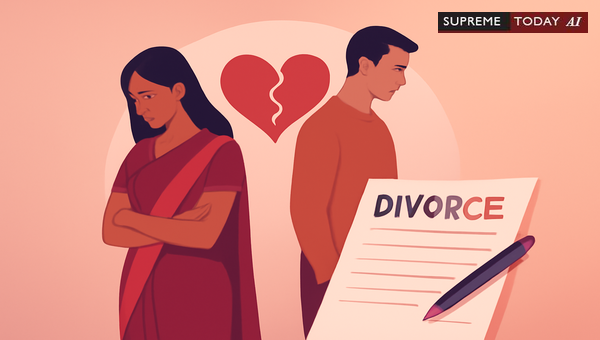
Can a Husband Seek Divorce Under HMA Section 13 If Wife Is Not Fully Developed?
In the realm of Indian family law, questions about the validity of marriages often arise due to personal, physical, or psychological incompatibilities. One such sensitive query is: Purn Viksit Mahila Nhi he to Kya Pati Dhara 13 Hindu Vivah Adhiniyam Ke that Talk Le Sakta he—translated, If the wife is not fully developed, can the husband seek divorce under ?
This issue touches on deeply personal matters, including physical maturity, , and emotional distress. While laws evolve to protect individual rights, they also emphasize the sanctity of marriage. This blog post breaks down the legal framework, potential grounds for divorce, judicial insights, and practical steps. Note: This is general information based on legal precedents and statutes. It is not specific legal advice. Consult a qualified lawyer for your situation.
Overview of , 1955
The Hindu Marriage Act (HMA), 1955, governs marriage, divorce, and related matters for Hindus, including Buddhists, Jains, and Sikhs. Section 13 outlines the grounds on which either spouse may petition for divorce. Key grounds include:
- (mental or physical)
- for at least two years
- Conversion to another religion
- or
- in communicable form
- Renunciation of the world
- after seven years
Additionally, courts have recognized as an emerging ground, especially when reconciliation is impossible. 2021 0 Supreme(All) 378
The phrase not fully developed (purn viksit nahi) may refer to physical, mental, or emotional immaturity, potentially impacting cohabitation or marital duties. However, Indian law does not explicitly list lack of development as a ground. Instead, it must fit into established categories like or breakdown.
Can Lack of Development Constitute Grounds for Divorce?
Mental or Physical
under is broadly interpreted to include conduct causing reasonable apprehension of harm or making cohabitation intolerable. If the wife's condition leads to or inability to fulfill , it may be argued as .
For instance: The concept of under the Hindu Marriage Act can encompass various forms of mental and physical harm. If the wife's lack of development leads to or inability to fulfill , it may be argued as a ground for . 2021 0 Supreme(All) 378
Courts assess this and . Mere disappointment isn't enough; evidence of sustained distress is required. In dowry-related cases, letters from the deceased highlighting torture have been pivotal: Therefore, the above letters clearly indicate that the deceased was being tortured by the accused Vimal Tewari on account of non-fulfilment of dowry demand. 2006 0 Supreme(UK) 679 While not identical, this underscores how ongoing marital discord can qualify as .
Even without fault, if the marriage is irreparably broken—evidenced by long separation—divorce may be granted. Courts have recognized that if a marriage has reached an irretrievable breakdown, where the parties have been living separately for an extended period, this can be a valid ground for divorce. The inability of one spouse to fulfill marital duties due to physical or psychological conditions may contribute to this breakdown. 2021 0 Supreme(All) 378
In cases of non-cohabitation or expressed irreconcilability, petitions succeed: In cases where one party has not cohabited or has expressed a desire for divorce, the courts have allowed petitions for divorce based on the failure of the marriage to function effectively. 2021 0 Supreme(All) 378
Related precedents on child marriages highlight protections against immature unions. Under the , unions involving minors are voidable, but post-maturity claims differ. Prosecutrix (PW-1) has categorically stated in her statement that she was major at the time of incidence. 2022 Supreme(Online)(MP) 4980 This shows courts scrutinize maturity claims closely.
Judicial Precedents and Broader Context
Indian courts prioritize evidence over assumptions. In disputes, matters: Testimony of all such witnesses cannot be discarded merely on ground that they being relatives of deceased. 2006 0 Supreme(UK) 679 For immaturity claims, medical evidence is crucial.
Eviction and tenancy cases under () analogize unauthorized changes diminishing property value, mirroring how unmet expectations might erode marital bonds. 2004 0 Supreme(All) 1339 Though not directly applicable, it illustrates judicial intolerance for material alterations in relationships.
Bail rejections in abetment-to-suicide cases emphasize influence on mental state: The court highlighted the importance of inferring abetment from the actions of the deceased and the influence of the accused on the deceased's state of mind. 2022 0 Supreme(UK) 310 This reinforces that marital conduct causing despair can have legal repercussions.
Unrelated but cautionary: RTI queries on grievances must seek specific records, not advice. 2024 Supreme(Online)(CIC) 4781 Similarly, divorce petitions need concrete proof, not vague complaints.
Gathering Evidence and Legal Strategy
To succeed:
- Medical/Psychological Reports: Document the wife's condition and its marital impact.
- Proof of Distress: Diaries, messages, witness statements showing mental agony.
- Separation Evidence: Duration of living apart.
Recommendations:- Gather Evidence: Collect medical or psychological assessments that illustrate the wife's condition and its impact on the marriage.- Legal Strategy: Prepare to argue the case based on the grounds of or irretrievable breakdown, supported by relevant precedents and legal principles. 2021 0 Supreme(All) 378
File in family court with . () is faster if agreed.
Potential Challenges and Considerations
- Cultural Sensitivities: Courts discourage trivial claims; maturity issues might invite counter-claims of .
- Women's Rights: Laws like , protect against harassment.
- Counseling: Mandatory pre-divorce mediation often applies.
In commercial marriage setups, irregularities are scrutinized: The said activities of respondent no.6/ Vivah Mandir, tantamount to running marriage shops on commercial lines. 2023 Supreme(Online)(MP) 25454 Ensure your marriage complies with norms.
Conclusion and Key Takeaways
A husband may seek divorce under HMA Section 13 if the wife's lack of development substantiates or irretrievable breakdown, backed by strong evidence. Success hinges on proving tangible harm to the marital bond. 2021 0 Supreme(All) 378
Key Takeaways:- Focus on or breakdown, not immaturity alone.- Collect robust evidence: medical, communications, witnesses.- Seek professional legal counsel early.- Consider counseling for possible reconciliation.
Divorce is a last resort. Prioritize mutual respect and communication. For personalized guidance, contact a family law expert.
References:- , Section 13 2021 0 Supreme(All) 378- Related precedents on and marriage 2006 0 Supreme(UK) 679, 2022 0 Supreme(UK) 310, 2022 Supreme(Online)(MP) 4980
#HinduMarriageAct, #DivorceIndia, #FamilyLaw















